 China
the original
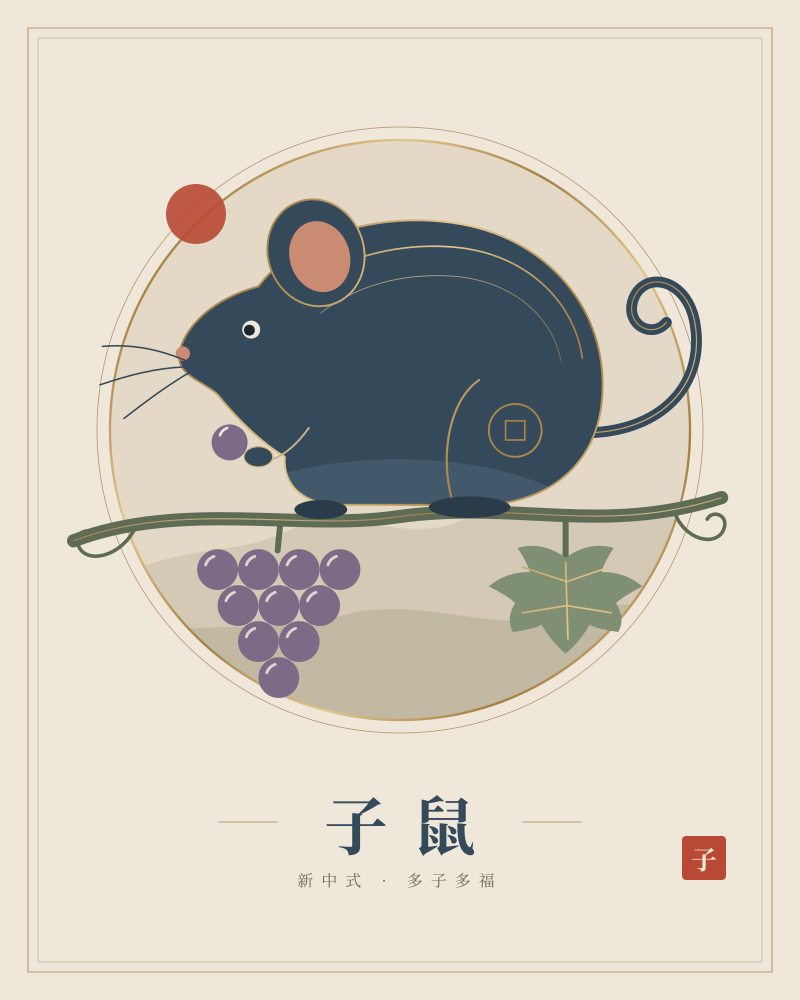 Rat1
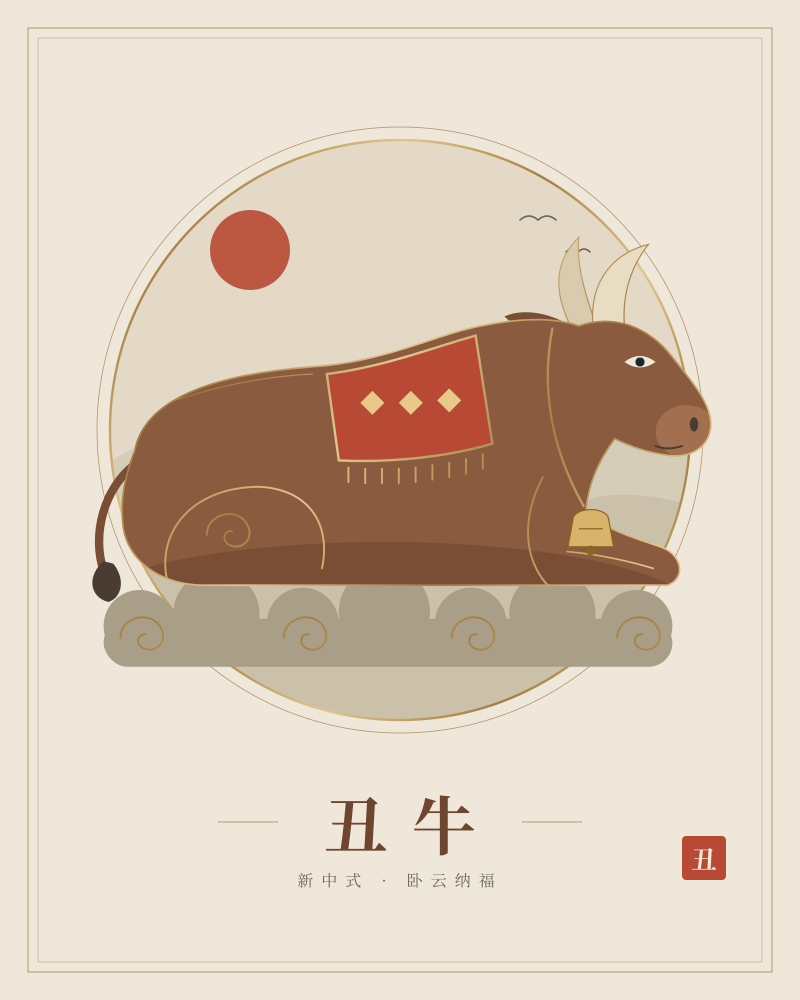 Ox2
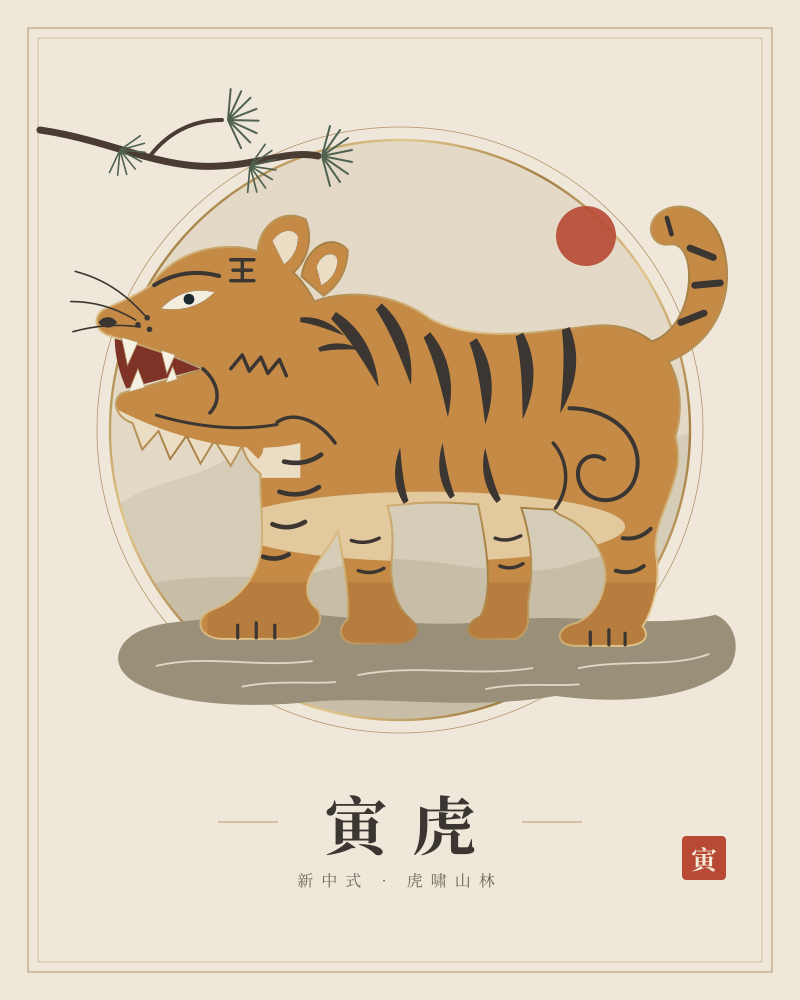 Tiger3
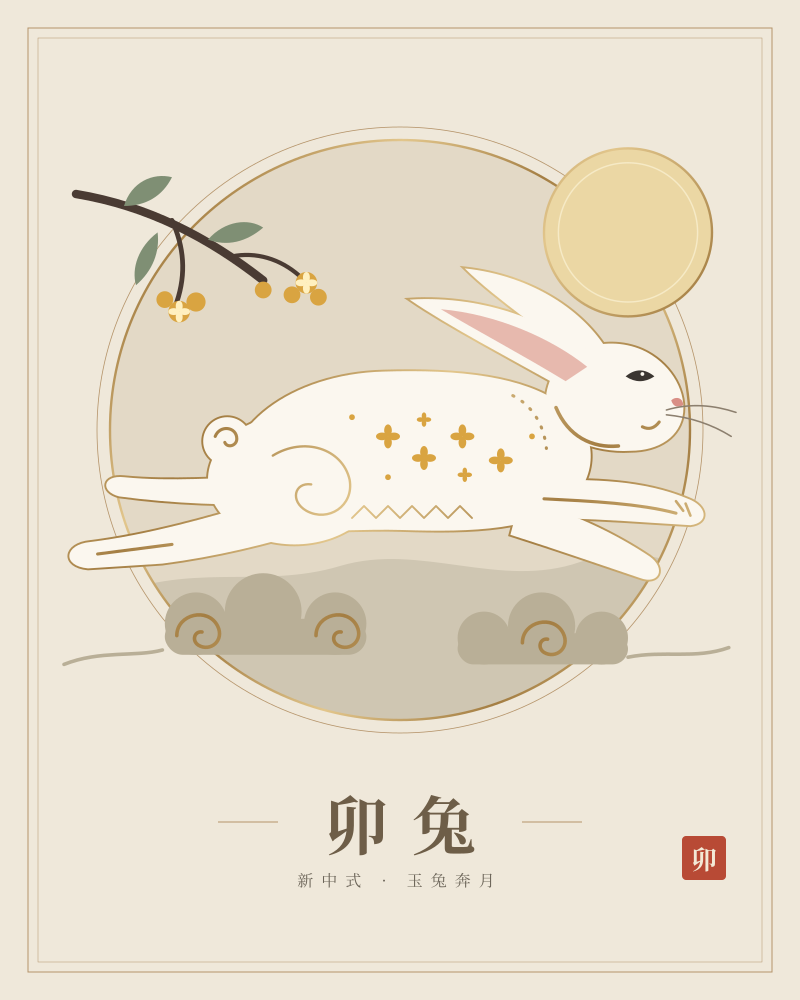 Rabbit4
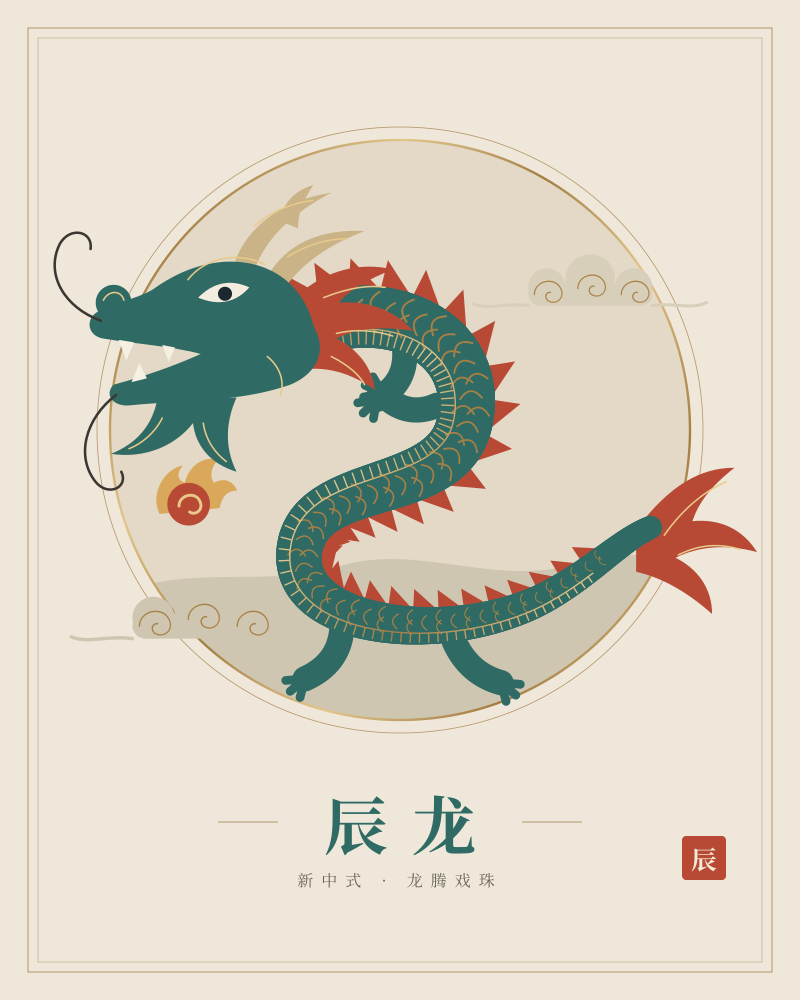 Dragon5
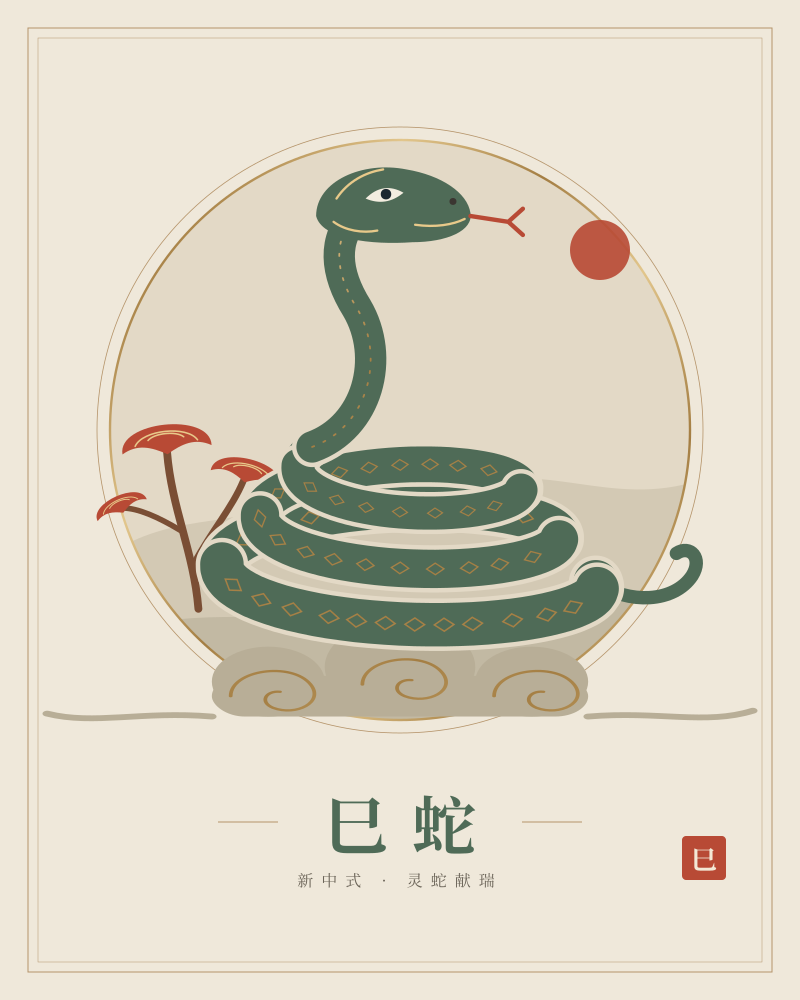 Snake6
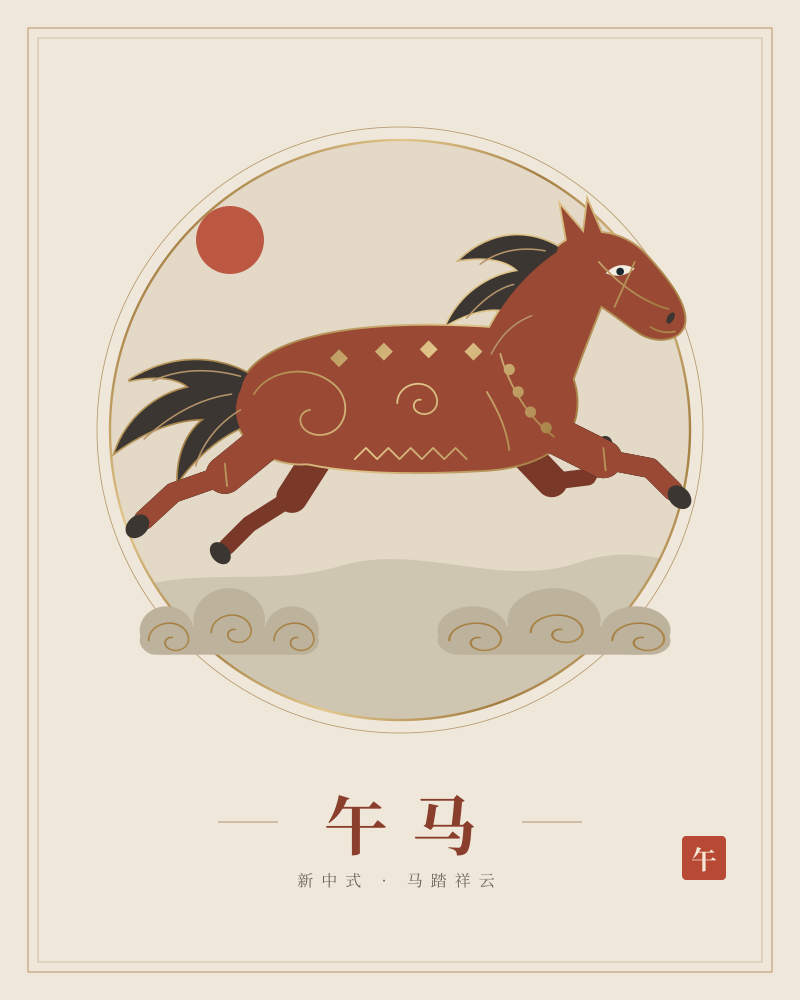 Horse7
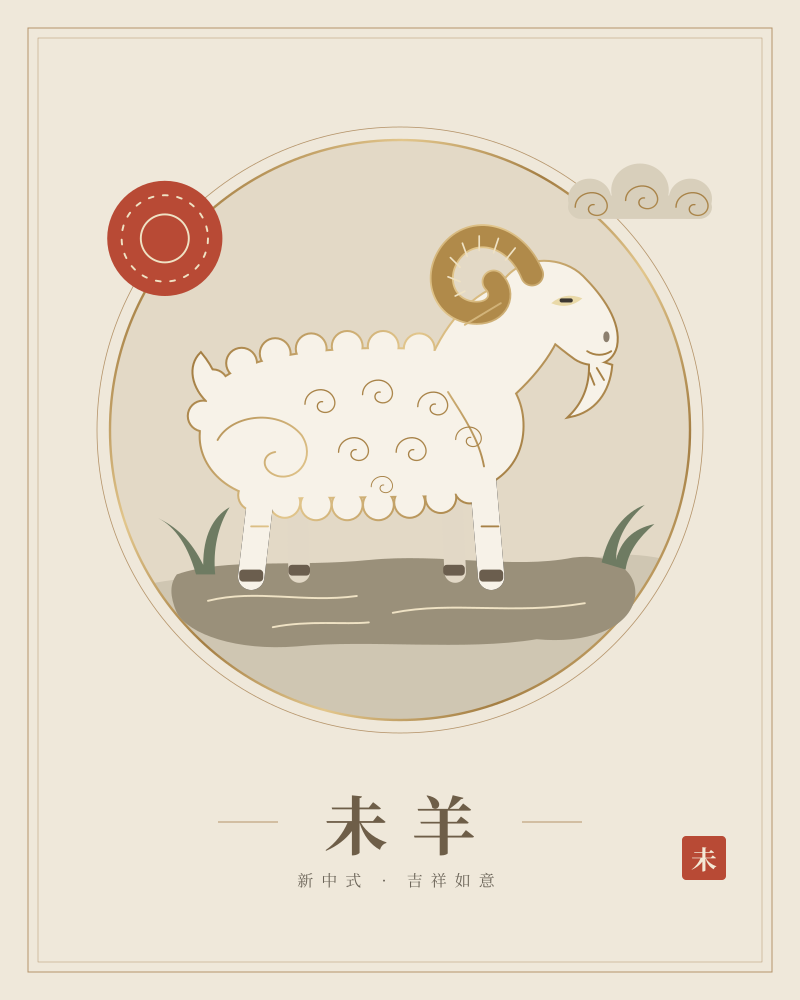 Goat8
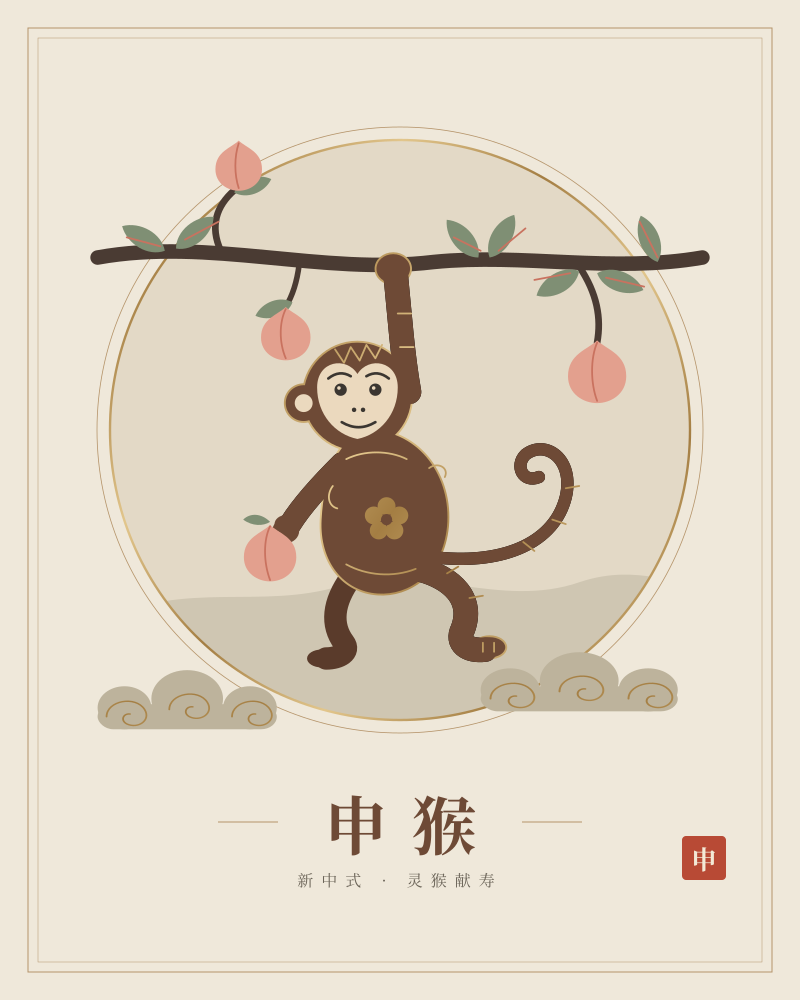 Monkey9
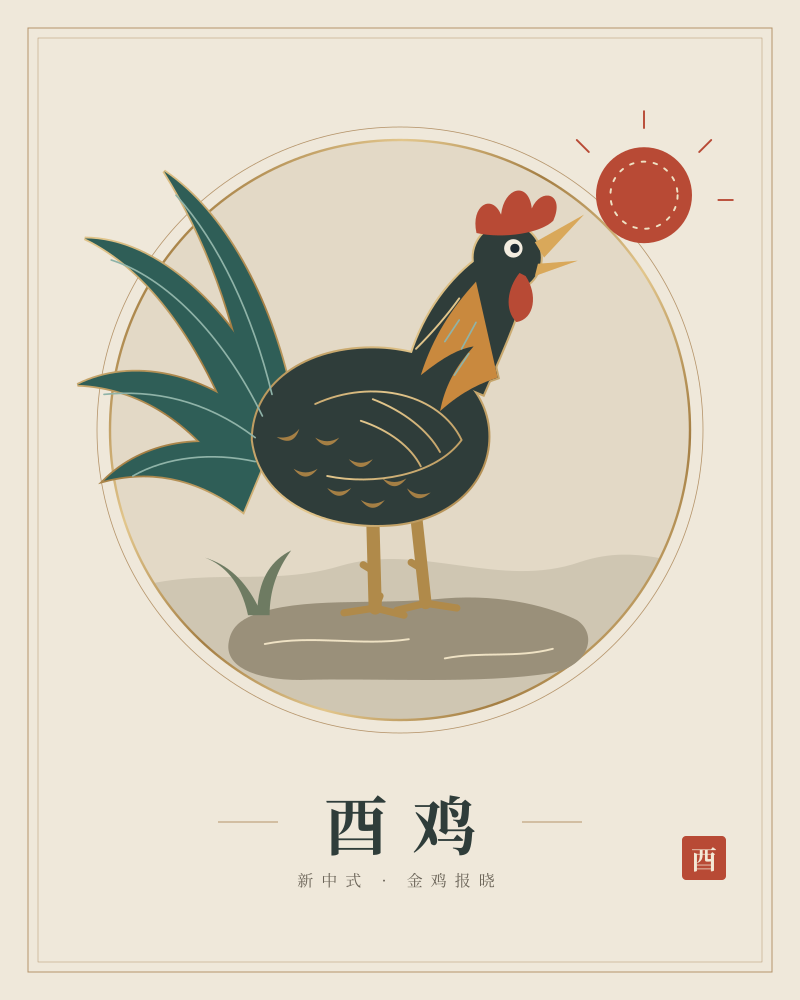 Rooster10
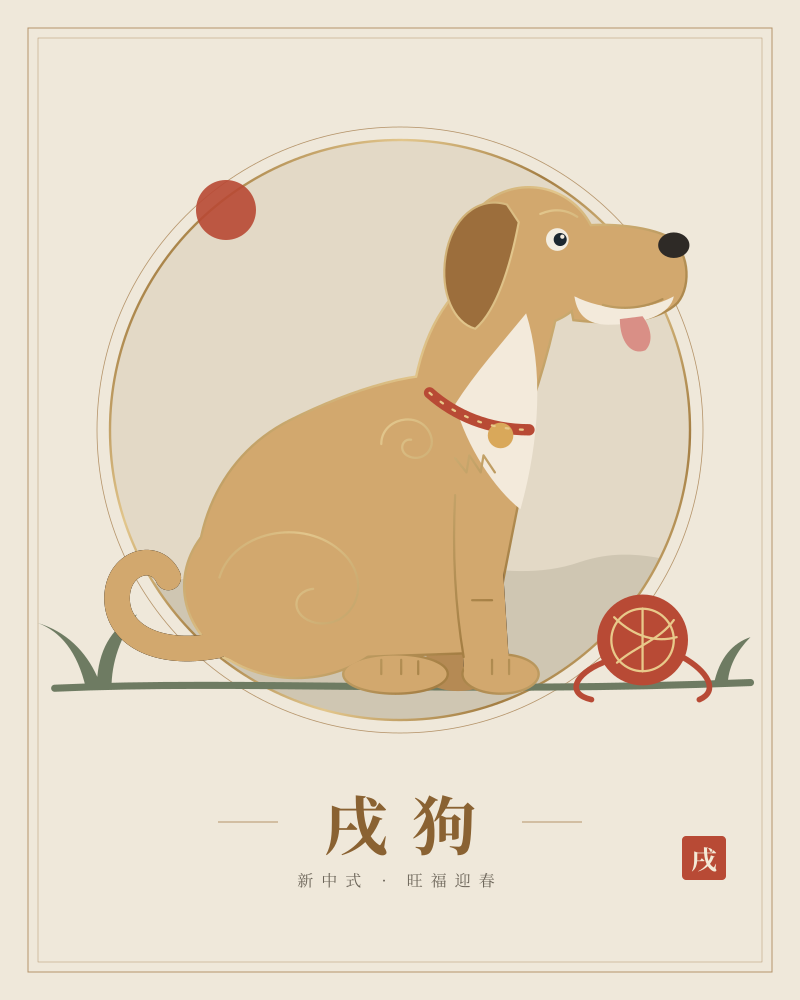 Dog11
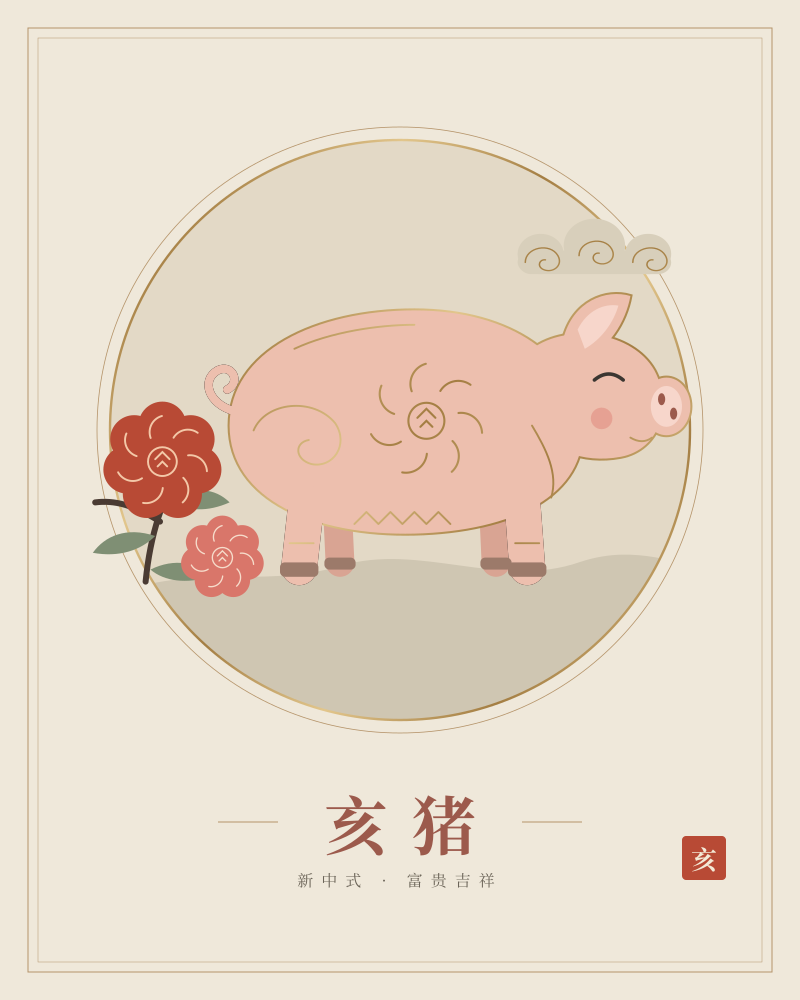 Pig12
The character 羊 means both goat and sheep. English uses goat, sheep and ram.

The twelve animals of the Chinese zodiac are known from Seoul to Bangkok. The order is the same almost everywhere, but some countries swapped animals: Vietnam has the cat instead of the rabbit, Japan the wild boar instead of the pig, Thailand the naga for the dragon. And the animal does not change on the same day everywhere.
Colourful charts of this go round on social media. Some of it is right, some of it we cannot find in any source. Here is what can be backed up, and a short fact check at the end.
The zodiac comes from China. Bamboo slips from the Qin period, in the 3rd century BC, already pair animals with the twelve earthly branches, and by the Han dynasty the order we know today was fixed. From there it spread with the Chinese calendar to the countries long under China’s cultural influence. More on the branches on our page about the heavenly stems and earthly branches.
It is often said that countries swapped an animal because they did not have it. That is only partly true. In Japan the wild boar lives in every mountain forest, domestic pigs long played hardly any role, and the character 猪 means wild boar in Japanese anyway. Thailand and Cambodia replace one mythical creature with another that everyone there knows, the naga. Vietnam fits less well: there the cat is usually explained by the sound, Mão and mèo.
The first row is the Chinese zodiac. Below it is what other countries have in the same place. Swapped animals are highlighted in amber. The three lower versions are older or textual forms you will hardly meet in daily life today.
Chinathe original
Rat1Ox2Tiger3Rabbit4Dragon5Snake6Horse7Goat8Monkey9Rooster10Dog11Pig12The character 羊 means both goat and sheep. English uses goat, sheep and ram.
 South Korea
 Mongolia
 Singapore
 Malaysia
 Indonesia
 PhilippinesRat1Ox2Tiger3Rabbit4Dragon5Snake6Horse7Goat8Monkey9Rooster10Dog11Pig12
Korea and Mongolia draw the eighth animal as a sheep. In Malaysia, Indonesia and the Philippines it is mainly families of Chinese descent who mark the zodiac years.
 Japan
new year on 1 January
Rat1Ox2Tiger3Rabbit4Dragon5Snake6Horse7Sheep8Monkey9Rooster10Dog11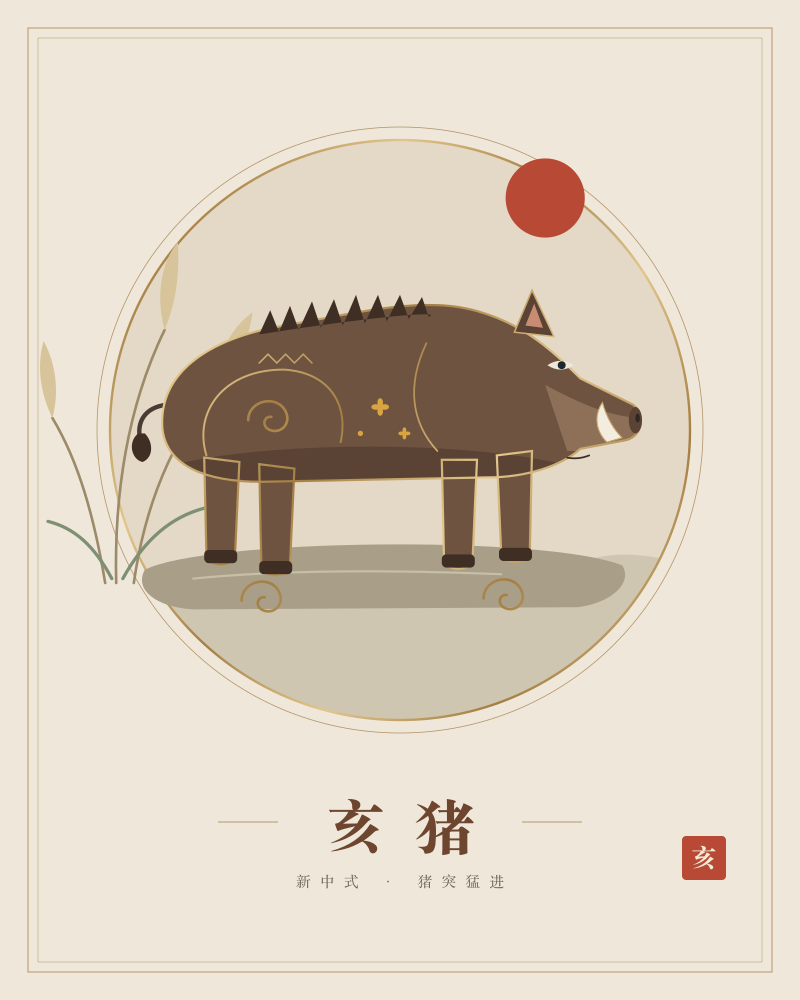 Wild boar12
Sheep instead of goat, wild boar instead of pig
 Vietnam
new year at Tết
Rat1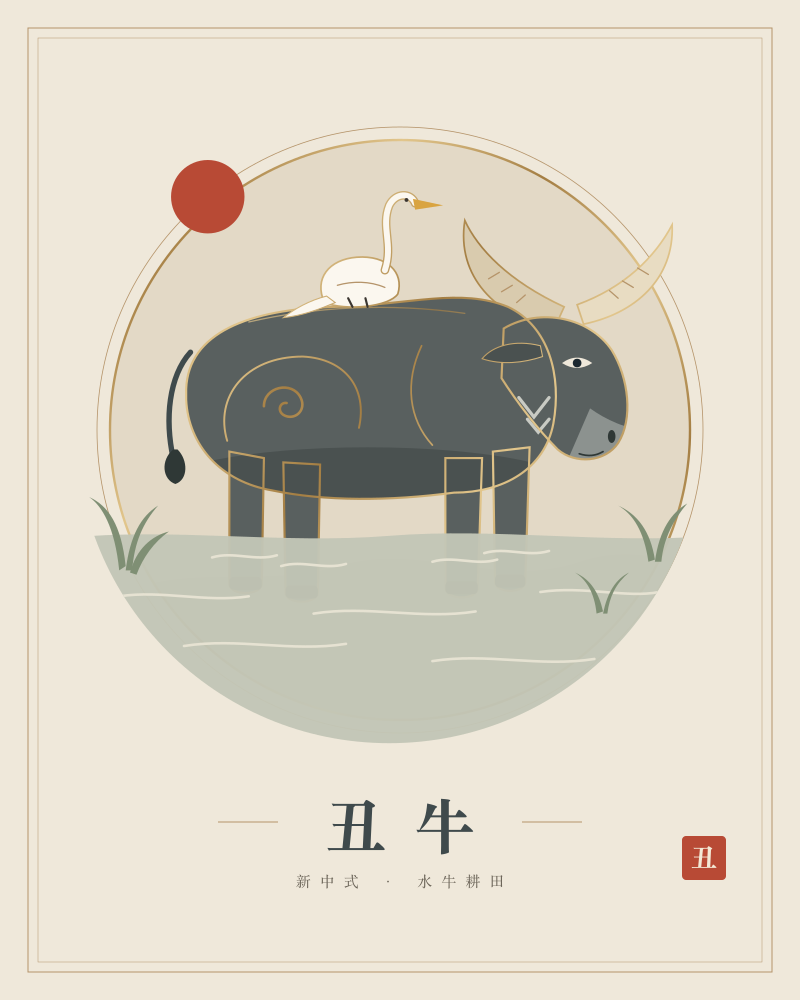 Water buffalo2Tiger3
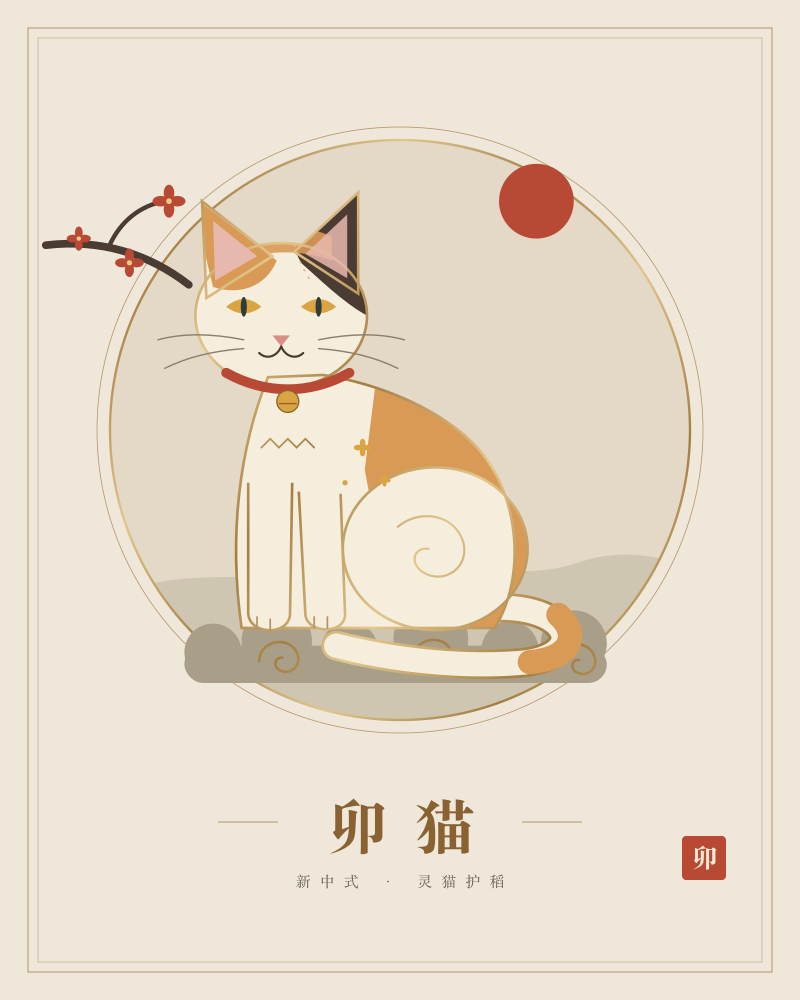 Cat4Dragon5Snake6Horse7Goat8Monkey9Rooster10Dog11Pig12
Water buffalo instead of ox, cat instead of rabbit

 Thailand and Cambodia
new year in spring, by mid-April at the latest
Rat1Ox2Tiger3Rabbit4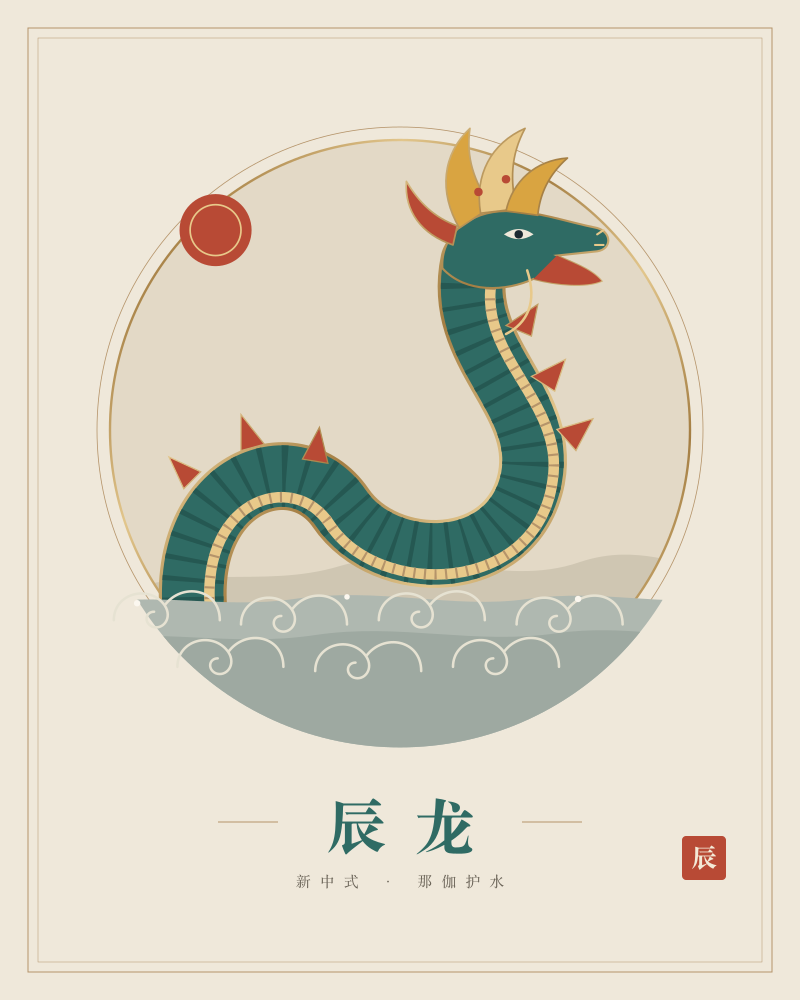 Naga5Snake6Horse7Goat8Monkey9Rooster10Dog11Pig12
The naga, a water serpent, often stands for the dragon. The order is the same.
Northern Thailand (Lanna)historicalolder form, rare today
Rat1Ox2Tiger3Rabbit4Naga5Snake6Horse7Goat8Monkey9Rooster10Dog11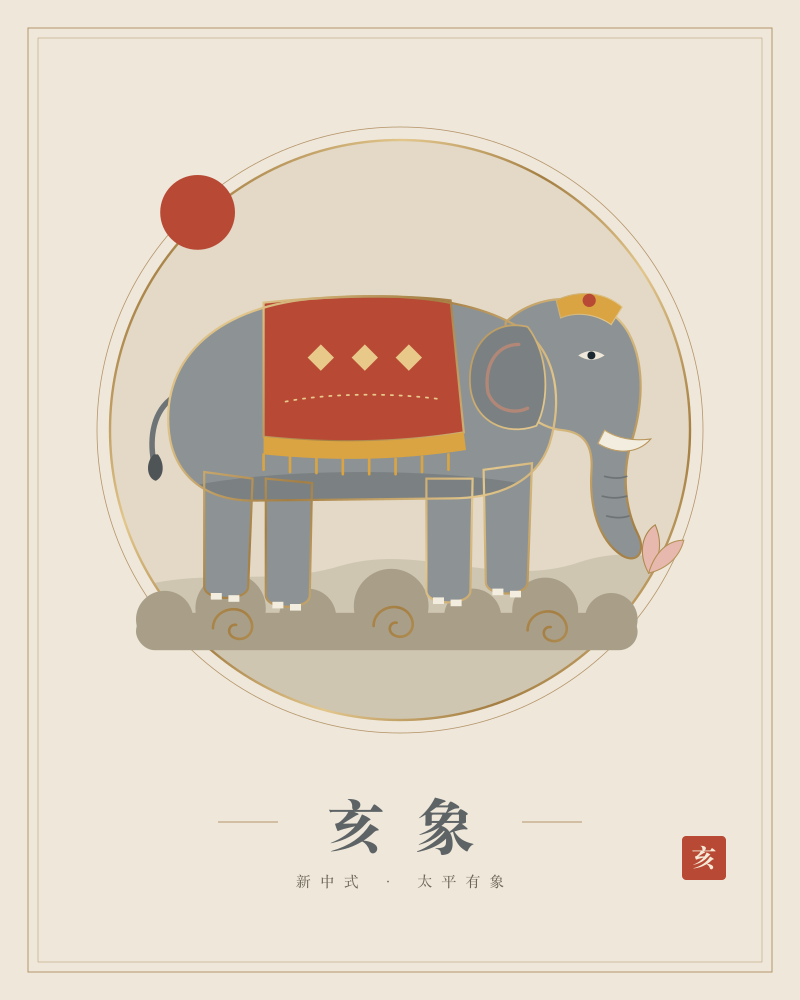 Elephant12
Elephant instead of pig. The Thai word for the pig year, กุน (kun), meant the elephant there.
Malay traditionhistoricalolder form, rare today
Rat1Ox2Tiger3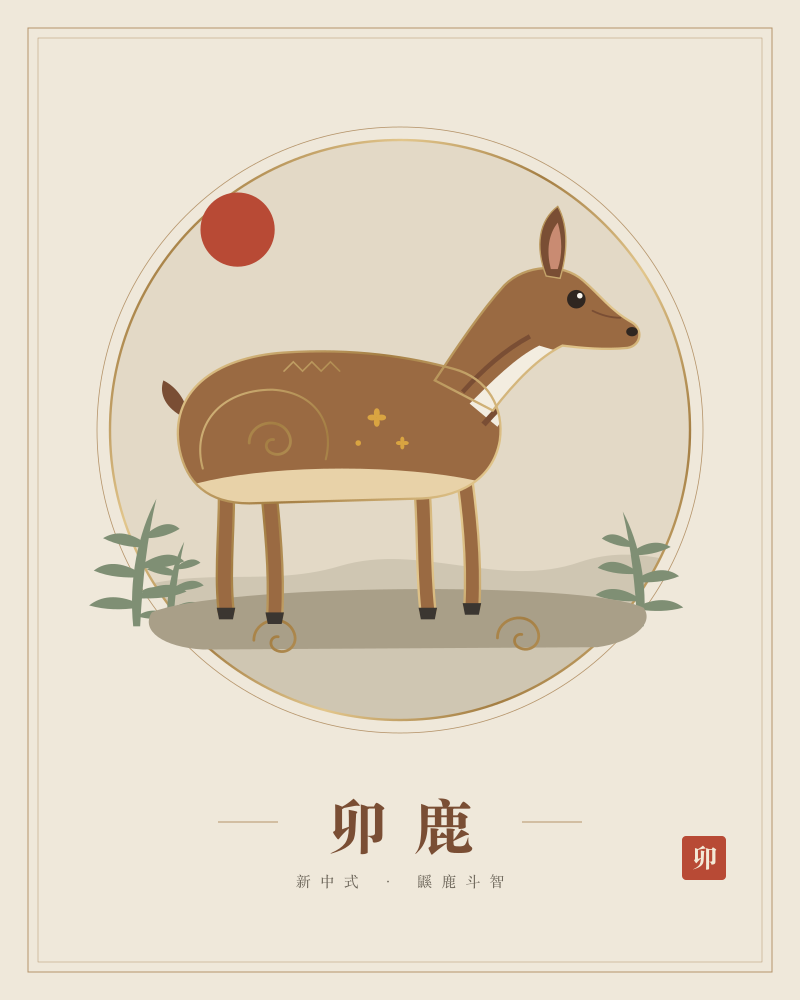 Mouse deer4Naga5Snake6Horse7Goat8Monkey9Rooster10Dog11
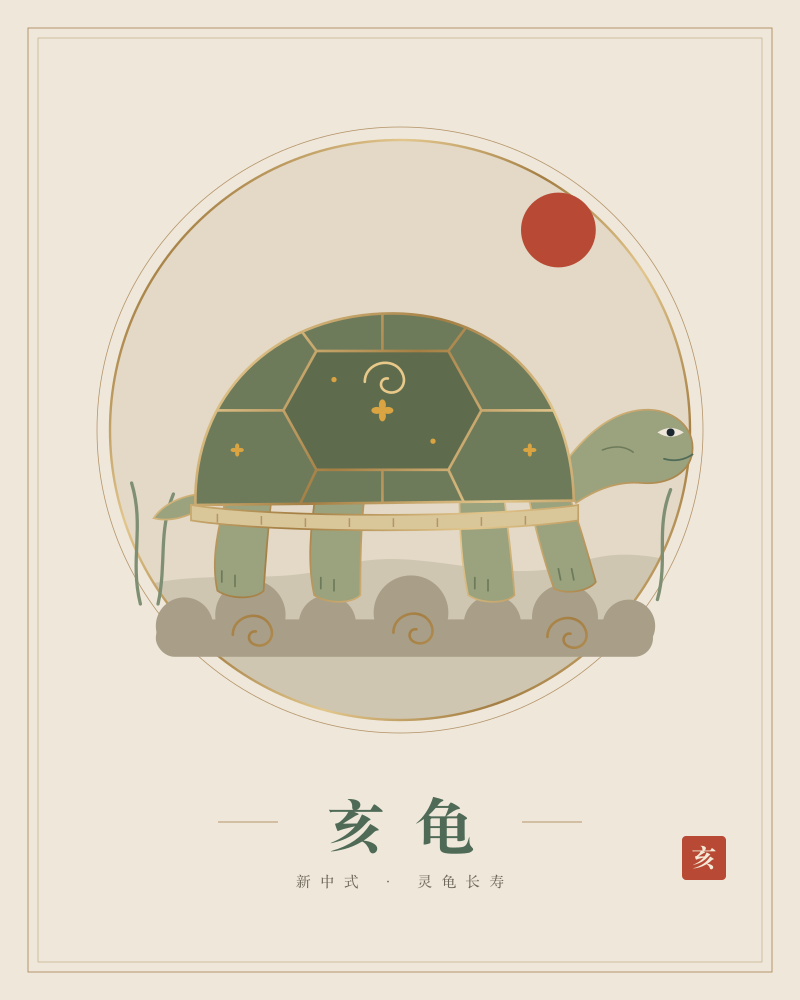 Tortoise12
Mouse deer instead of rabbit, tortoise instead of pig
 Buddhist sutra from Indiahistorical
Mahāsaṃnipāta Sūtra (大集经), not an everyday calendar
Rat1Ox2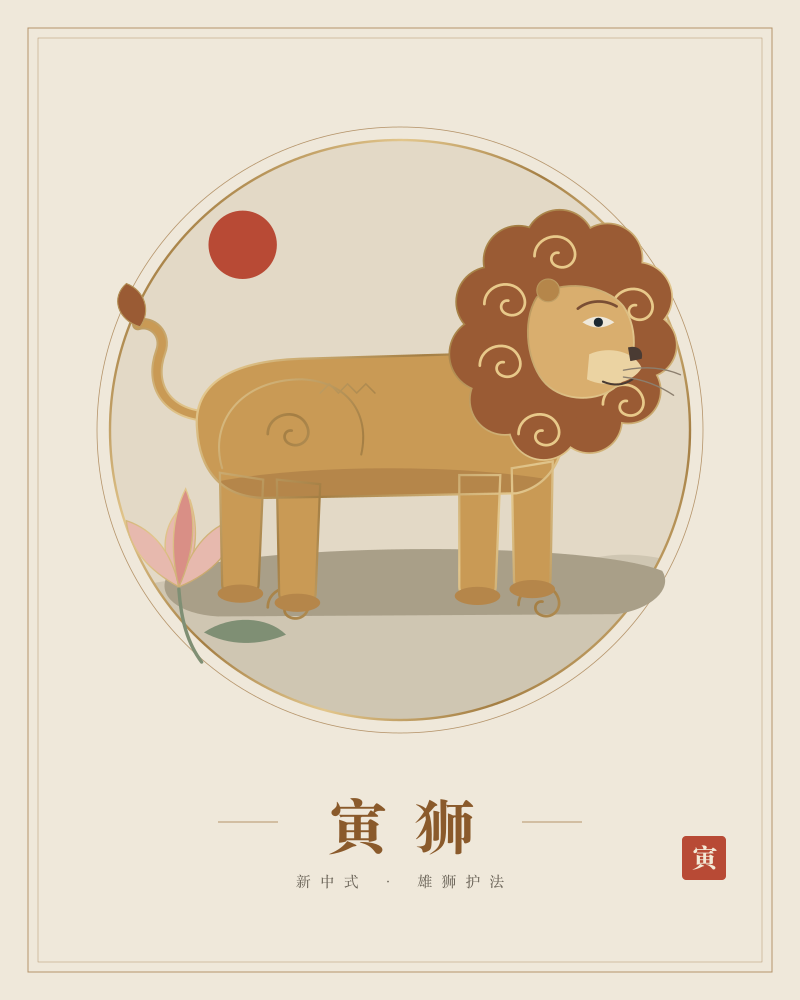 Lion3Rabbit4Dragon5Snake6Horse7Goat8Monkey9Rooster10Dog11Pig12
Lion instead of tiger, every other animal as in China
The illustrations of the Chinese animals and of the other countries’ animals are our own. We draw the eighth animal, 羊, as a ram, so the Japanese sheep uses the same picture.
For birthdays between January and April it depends on the country, because the animal year does not begin on the same day everywhere. The finder starts with 10 February 1985: in China that was still the Year of the Rat, in Japan and Vietnam already the Year of the Ox. Your Chinese sign with its element is in the zodiac finder on our Chinese New Year page.
On this day 2 of the 6 other countries differ from China, highlighted in amber.
China
Rat
This zodiac year began on 2 February 1984
Japan
Ox
丑 ushi
Changes on 1 January
South Korea
Rat
쥐 jwi
Vietnam
Water buffalo
Sửu · Trâu
Tết came early, on 21 January 1985
Thailand
Rat
Changes in spring, at Songkran at the latest
Cambodia
Rat
Changes at Khmer New Year in mid-April
Mongolia
Rat
Changes at Tsagaan Sar
The legend says the rat and the cat were friends. The rat promised to wake the cat for the Jade Emperor’s race, then set off alone. The cat overslept, and it has hunted the rat ever since. More soberly, the twelve animals were fixed more than 2,000 years ago, when domestic cats were still rare in China.
Vietnam does have the cat, and nobody knows for sure why. The most common explanation is the sound. The fourth animal is called Mão in Vietnam, after the Chinese branch 卯 (mǎo), and that is close to mèo, the word for cat. The second explanation comes from the rice field: cats keep the mice away from the harvest. From the same farming world comes the water buffalo, trâu, which takes the place of the ox in Vietnam.
The Chinese word covers both animals, and pictures in China show one or the other. English uses goat, sheep and ram. Japan says hitsuji, sheep, Korea says yang and usually draws a sheep, and in Mongolia it is the sheep as well. Vietnam calls the year Mùi and the animal dê, the goat.
牛 stands for cattle of every kind. English zodiacs say ox. Only in Vietnam is it explicitly the water buffalo, trâu.
Korea and Vietnam use the same lunar calendar as China, but on their own clock. If the new moon falls just before or after midnight, the festival can be a day apart. Japan left the lunar calendar entirely, and Thailand and Cambodia change only in spring.
| Country | The animal changes | Example |
|---|---|---|
| China | Lunar New Year, between 21 January and 20 February | 2027: 6 February |
| South Korea | Seollal, same calendar but on Korean time | usually the same day, 7 February in 2027 |
| Vietnam | Tết, same calendar but on Vietnamese time | usually the same day, a month earlier in 1985 |
| Mongolia | Tsagaan Sar, by the Mongolian calendar | often the same day, sometimes a month later |
| Japan | 1 January, since the calendar reform of 1873 | the same every year |
| Thailand | by use, on the first day of the fifth lunar month or at Songkran | March or April, Songkran on 13 April |
| Cambodia | Khmer New Year | 13 or 14 April |
These statements come from charts shared on social media, or follow from the calendars. Guess first, then see what the sources say.
1In Vietnam, the cat replaces the rabbit.
True
The fourth animal is called Mão in Vietnam, and mèo is the cat. Anyone born in the Rabbit years 1999 or 2011 is a Cat there. The second animal is a water buffalo, too.
2Japan has exactly the same twelve animals as China.
False
Almost. The last animal is the wild boar (inoshishi), the eighth a sheep (hitsuji). And since 1873 the animal changes on 1 January in Japan, not at Lunar New Year.
3In Cambodia, the zodiac starts with the ox instead of the rat.
False
The order is the same and the first animal is the rat. What differs is the timing: in Cambodia the animal year changes at Khmer New Year in mid-April.
4In the Philippines, a dolphin takes the place of the pig.
No evidence
We found no source for this. The Philippines have no zodiac of their own. At Chinese New Year the Chinese one applies, with the pig.
5In India, the garuda, a mythical bird, replaces the rooster.
No evidence
India has no widespread zodiac of this kind. The twelve animals appear in a Buddhist text, the Mahāsaṃnipāta Sūtra. It has a lion instead of the tiger, and the rooster stays a rooster.
6In Nepal, the dragon becomes a crocodile.
No evidence
We found no source for this. Overviews give an eagle instead of the dragon for the Gurung people of Nepal, but we could not check that in an original source either.
7A baby born on 6 February 2027 is a Goat in China and still a Horse in Korea.
True
The new moon falls at 23:56 China time on 6 February. In Seoul it is already 00:56 on 7 February, so Seollal 2027 is a day later.
8A child born on 10 February 1985 is a Rat in China and an Ox in Vietnam.
True
Vietnam counts in its own time zone. In 1985 that put Tết on 21 January, while Chinese New Year came on 20 February. In between, Vietnam was already in the year of the buffalo.
Overviews list more variants. The Kazakhs are said to have the snow leopard and the snail in place of the tiger and the dragon. The Gurung of Nepal are said to have cow, cat, eagle, bird and deer instead of ox, rabbit, dragon, rooster and pig. We have not found an original source for these yet, so they are not in the comparison above.
Back to the twelve Chinese zodiac signs and their years, or on to Chinese New Year 2027, the start of the Year of the Goat. How the animals differ from the Western star signs: Chinese zodiac vs Western zodiac.
With the same twelve animals: South Korea, Mongolia, Singapore and the families of Chinese descent in Malaysia, Indonesia and the Philippines. With animals of their own: Vietnam (cat, water buffalo), Japan (wild boar, sheep), and Thailand and Cambodia (naga for the dragon).
The same as in China, except for two animals: if you were born in a Rabbit year you are a Cat, and the Ox is a water buffalo. Rabbit years include 1951, 1963, 1975, 1987, 1999, 2011 and 2023. With a birthday in January or February, check the date, because the year only begins at Tết. The finder above does that.
The legend says the rat promised to wake the cat for the Jade Emperor’s race and let it sleep. Since then the cat hunts the rat. More soberly, the twelve animals were fixed before domestic cats were common in China.
Almost: the pig is a wild boar and the goat a sheep. And the year changes on 1 January in Japan. Someone born on 10 January 1985 is an Ox (ushi) in Japan but still a Rat in China, where the Year of the Ox only began on 20 February 1985.
Both are right. The character 羊 (yáng) means goat and sheep. English uses goat, sheep and ram. Japan, Korea and Mongolia see a sheep, Vietnam a goat.
The Chinese New Year dates are checked against the astronomical new moon. We have sources for the Korean and Vietnamese differences in the years named, and other years are possible. The explanations about the cat are tradition, not settled history.