
Beijing off the beaten path
11 places we went to once the Forbidden City and the Great Wall were done: a bridge with hundreds of stone lions, a valley of temples, gardens built inside a museum, a hall of steam locomotives, and a few that are simply odd. Beijing families fill them at weekends; foreign visitors hardly ever come.
卢沟桥 · 八大处 · 国家植物园 · 园林博物馆 · 铁道博物馆 · 世界公园
First time in Beijing?
Then this is the wrong page. Start with the Beijing guide and the Great Wall.
Bad weather
5 of the 11 are indoors, 5 of them museums. Filter the list →
You need wheels
Most lie 14–35 km from the centre. We grouped them into three days by car. The days →
Where they are
Three clusters and two strays. The west and south-west — the Yongding River and the Western Hills — hold most of them; the railway and film museums are in the north-east, past 798; Grand View Garden and the Natural History Museum are inside the old city. Tap a place to see how far out it is.
Tap a place on the map or in the list.
By the Temple of Heaven. Details below ↓
Inside the Second Ring Road. Details below ↓
The world in miniature. Details below ↓
The locomotive hall; the Film Museum is 2 km away. Details below ↓
Stone lions on a bridge of 1192. Details below ↓
At the foot of the Fragrant Hills. Details below ↓
Full-size gardens, indoors and out; the Expo Park is next door. Details below ↓
Eight temples up a valley. Details below ↓
The furthest out, by car only. Details below ↓
Straight-line distances from Tiananmen, rounded — not driving distances.
11 places most visitors skip
Every one in our own photographs. Filter by type — museum, temple, park — or tick “indoors only” for a day of rain or haze.
 LandmarkFengtai · 丰台区Outdoors
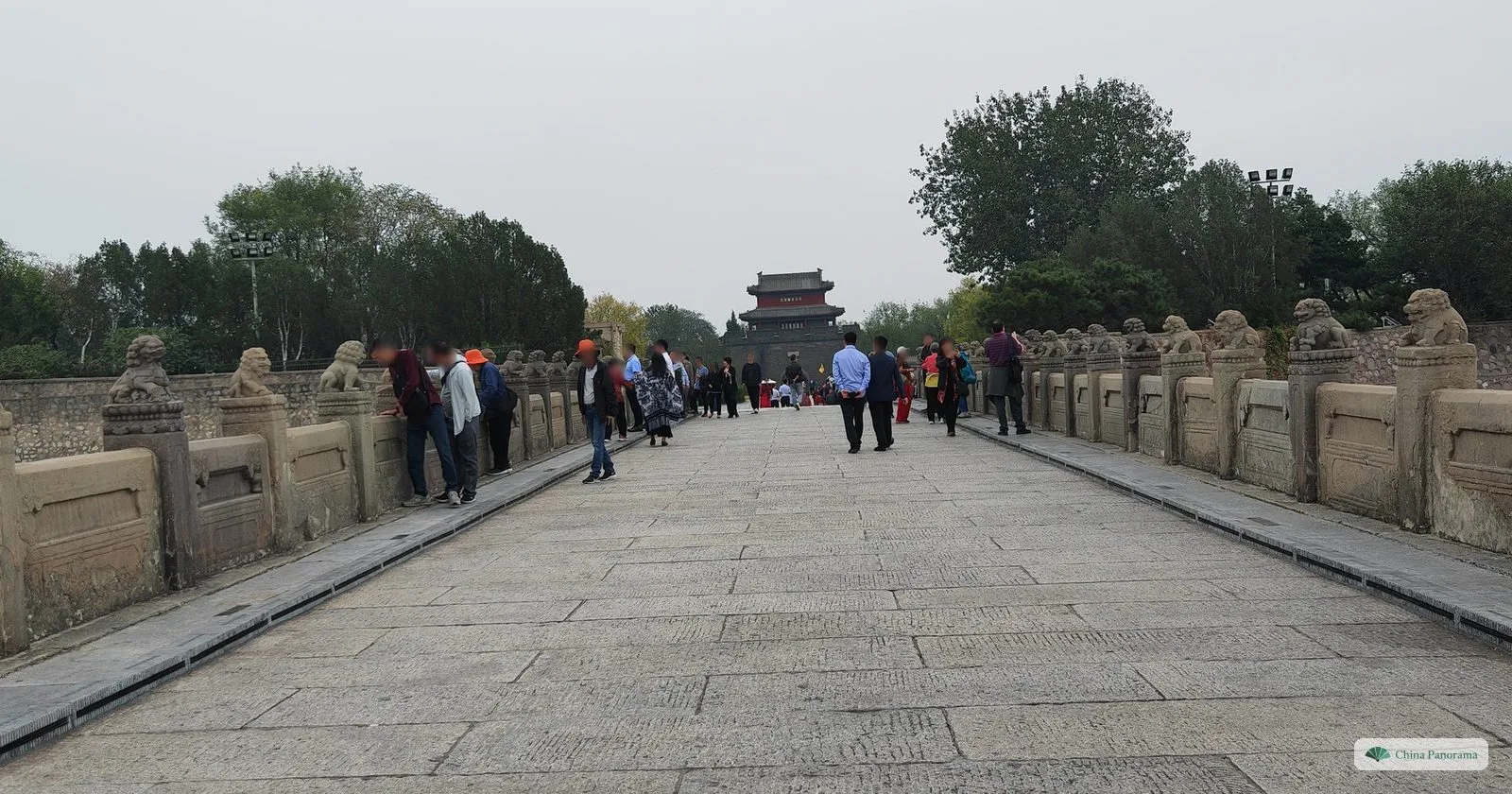
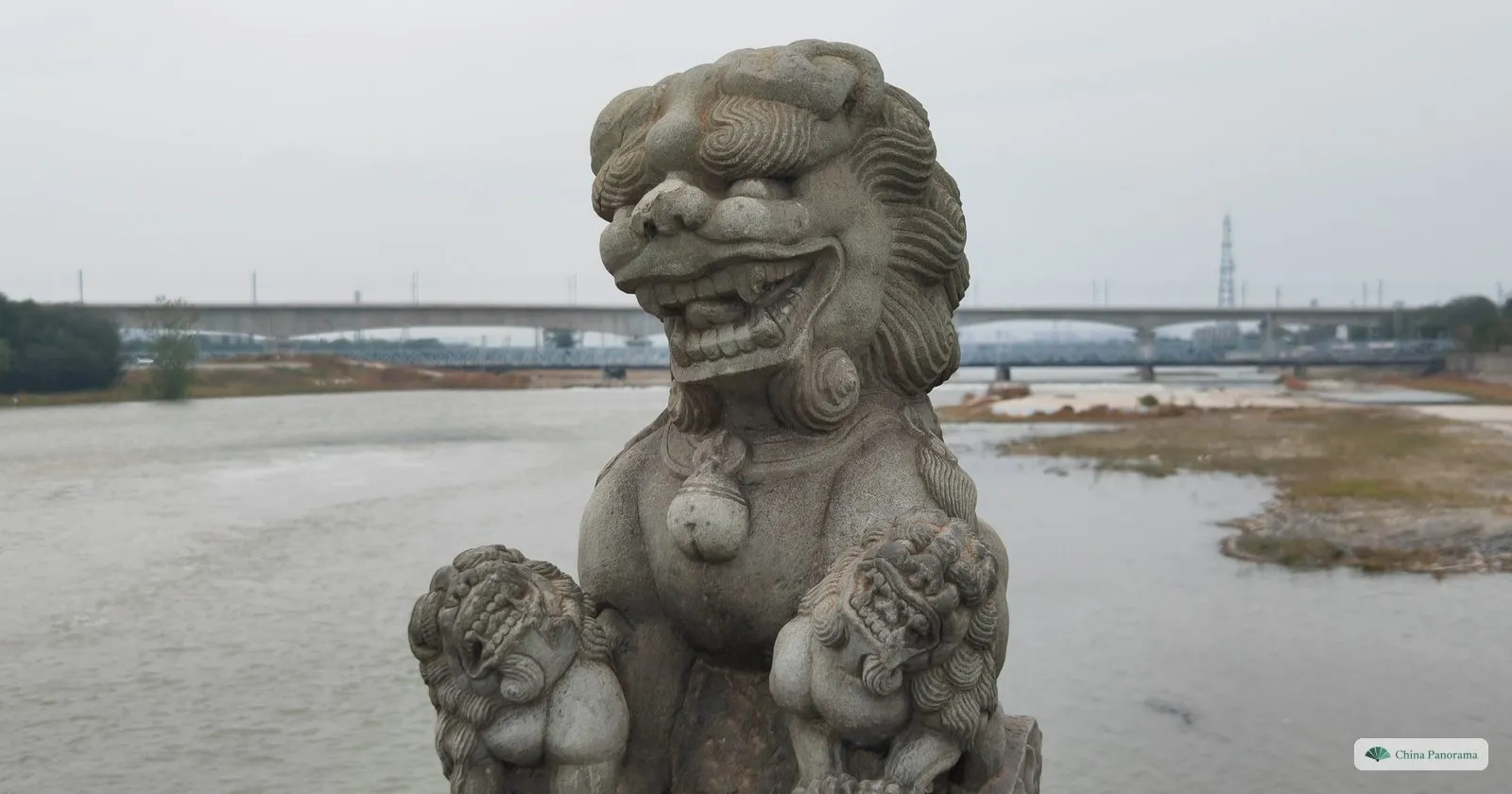
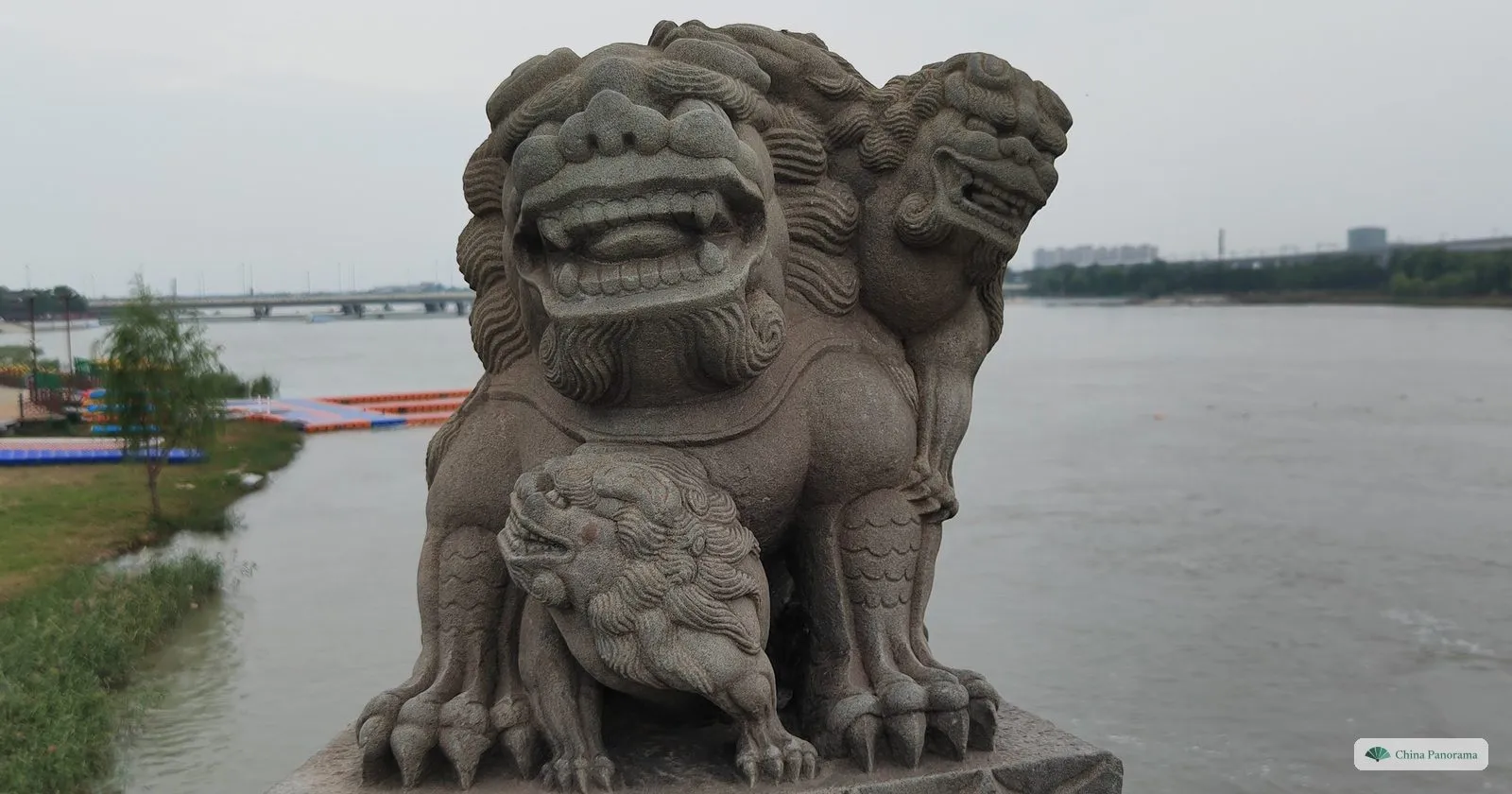
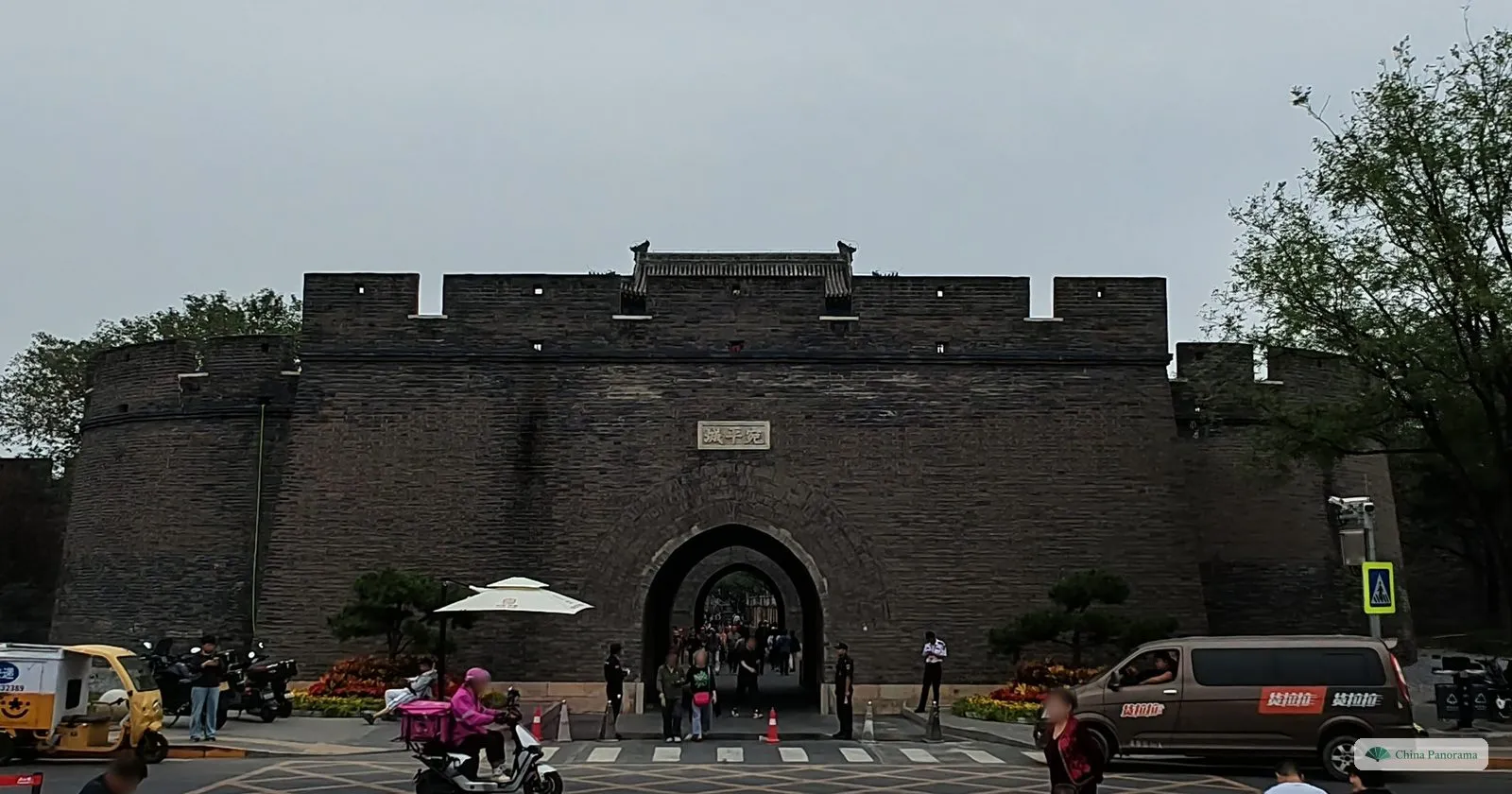
A stone bridge of eleven arches over the Yongding River, finished in 1192 and described by Marco Polo, which is how it got its European name. Its parapets carry several hundred stone lions, no two alike, many with cubs under a paw or climbing on their backs — counting them is the local pastime. You walk the length of it on the original, deeply rutted paving stones in the middle of the deck. At the east end stands the small walled town of Wanping, where the fighting of 7 July 1937 began the war with Japan; its gate still shows the damage.
In the south-west, about 17 km from Tiananmen. The bridge has a ticket; the street through Wanping is free. We have not checked the price, the hours or the nearest metro station.
- Entry
- Price not verified — check on site
- Opening hours
- Hours not verified — check on site
Badachu Park
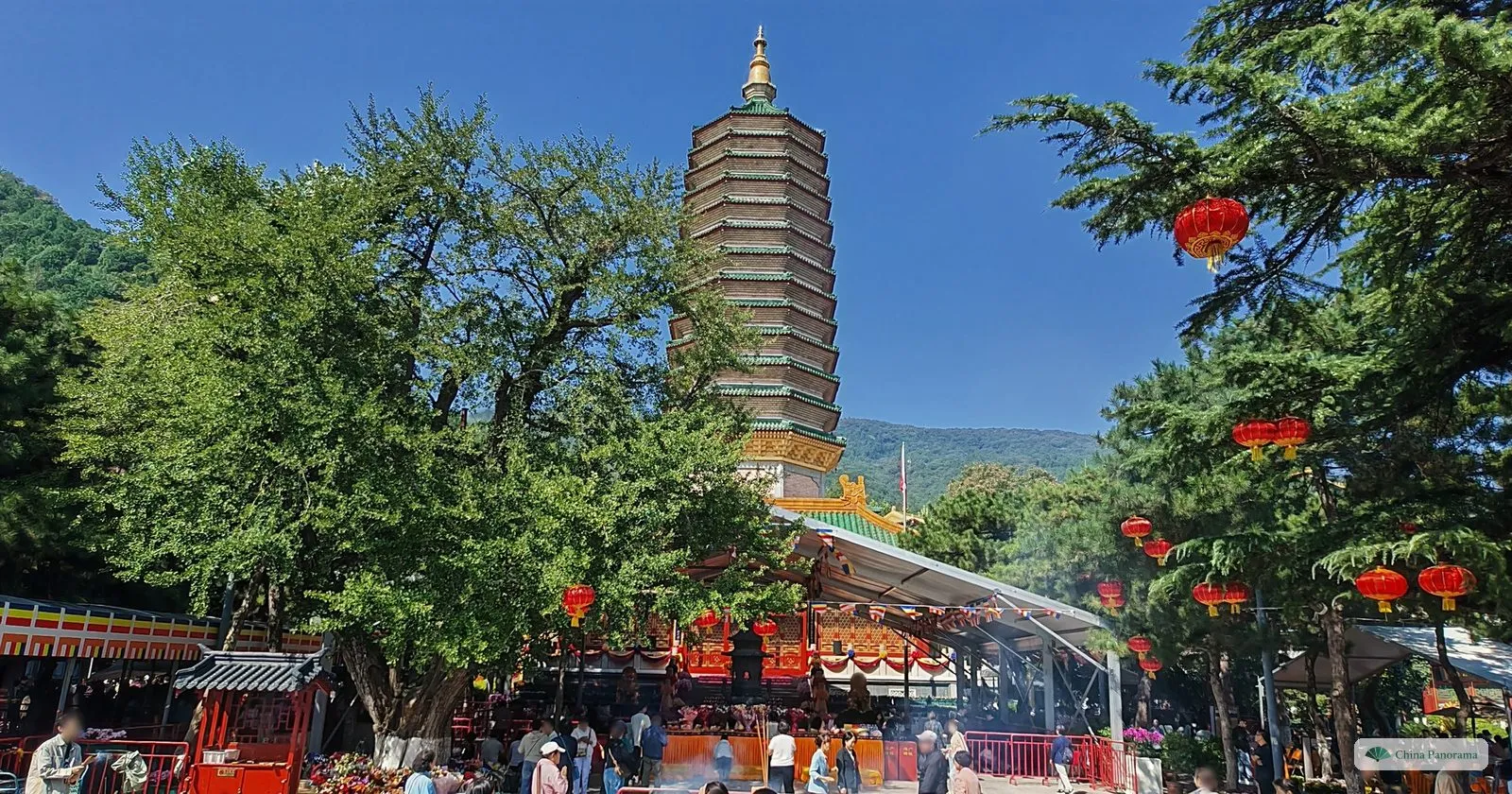
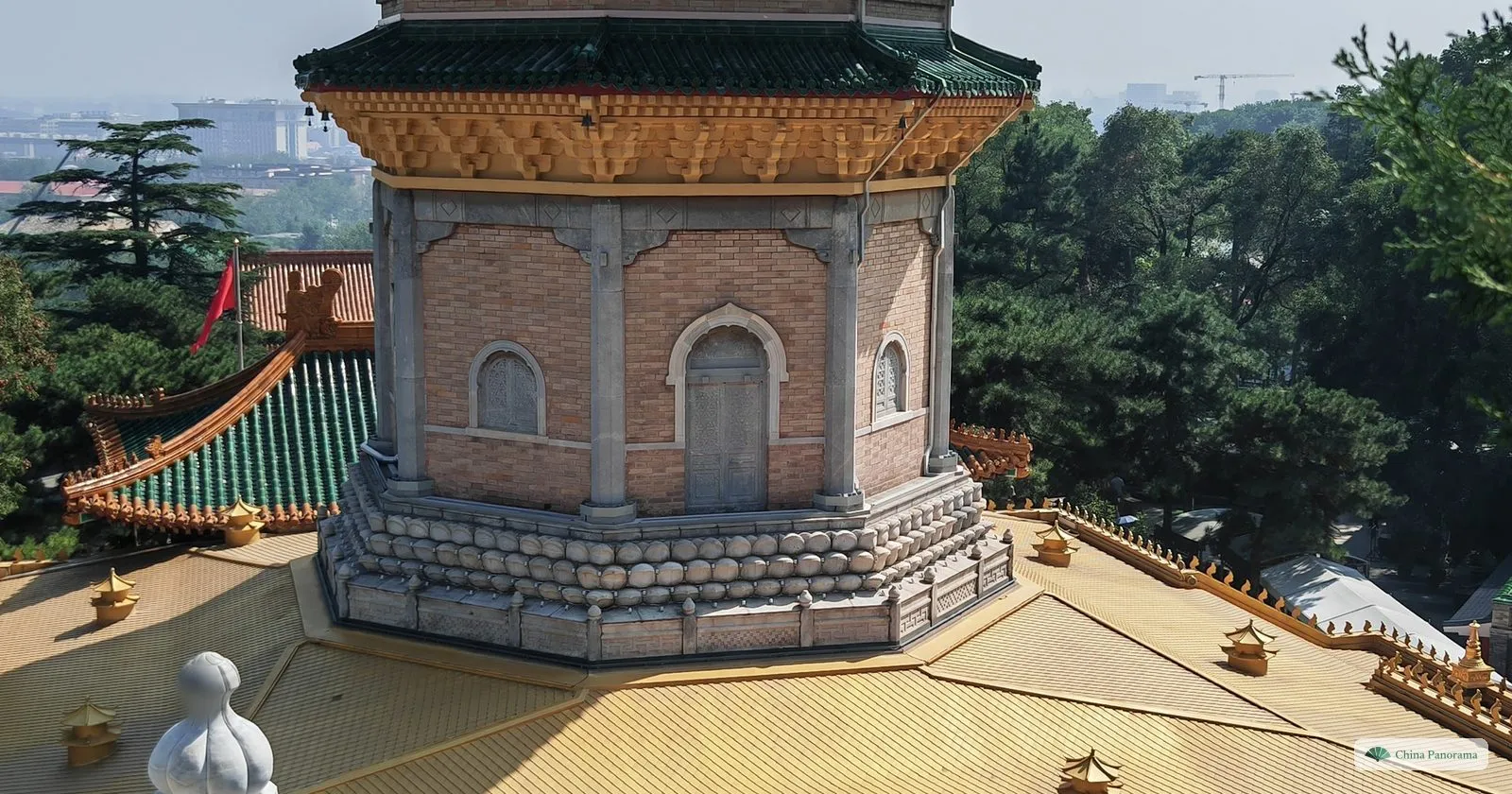
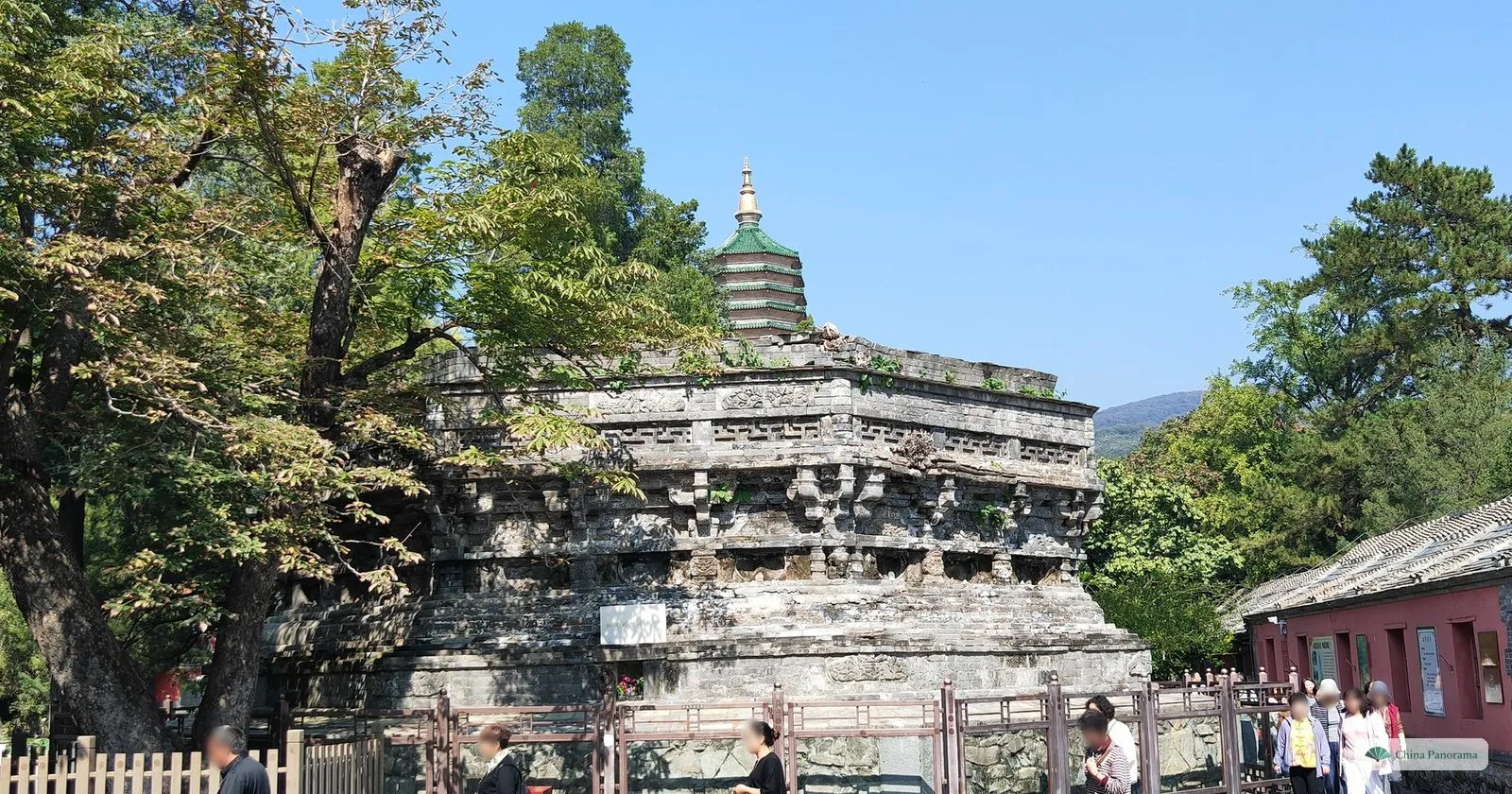
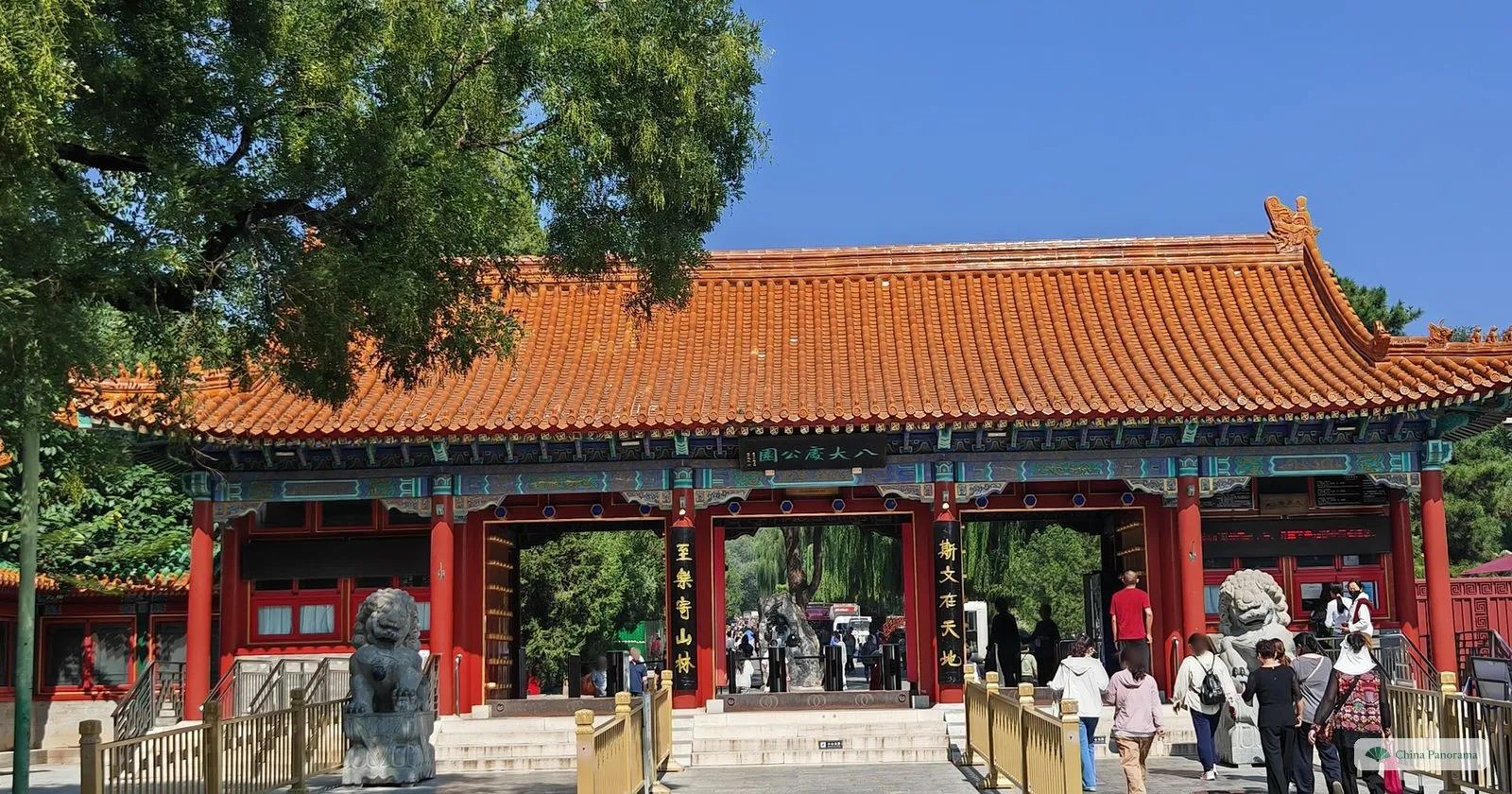
八大处公园TempleShijingshan · 石景山区OutdoorsEight Buddhist temples strung up a wooded valley in the Western Hills — the name means Eight Great Sites. The second, Lingguang Temple, is the one the crowds come for: its tall pagoda holds a tooth relic of the Buddha, and on the day we went a service was in full swing under awnings in the courtyard, with hundreds sitting on cushions. Next to it is the stump of the older pagoda, shelled in 1900. Higher up the temples get smaller and the path quieter; it is a proper hill walk to the top.
In the west, about 19 km from Tiananmen. This is a working place of worship: no photographs of people praying at close range.
- Entry
- Price not verified — check on site
- Opening hours
- Hours not verified — check on site
 ParkHaidian · 海淀区Outdoors
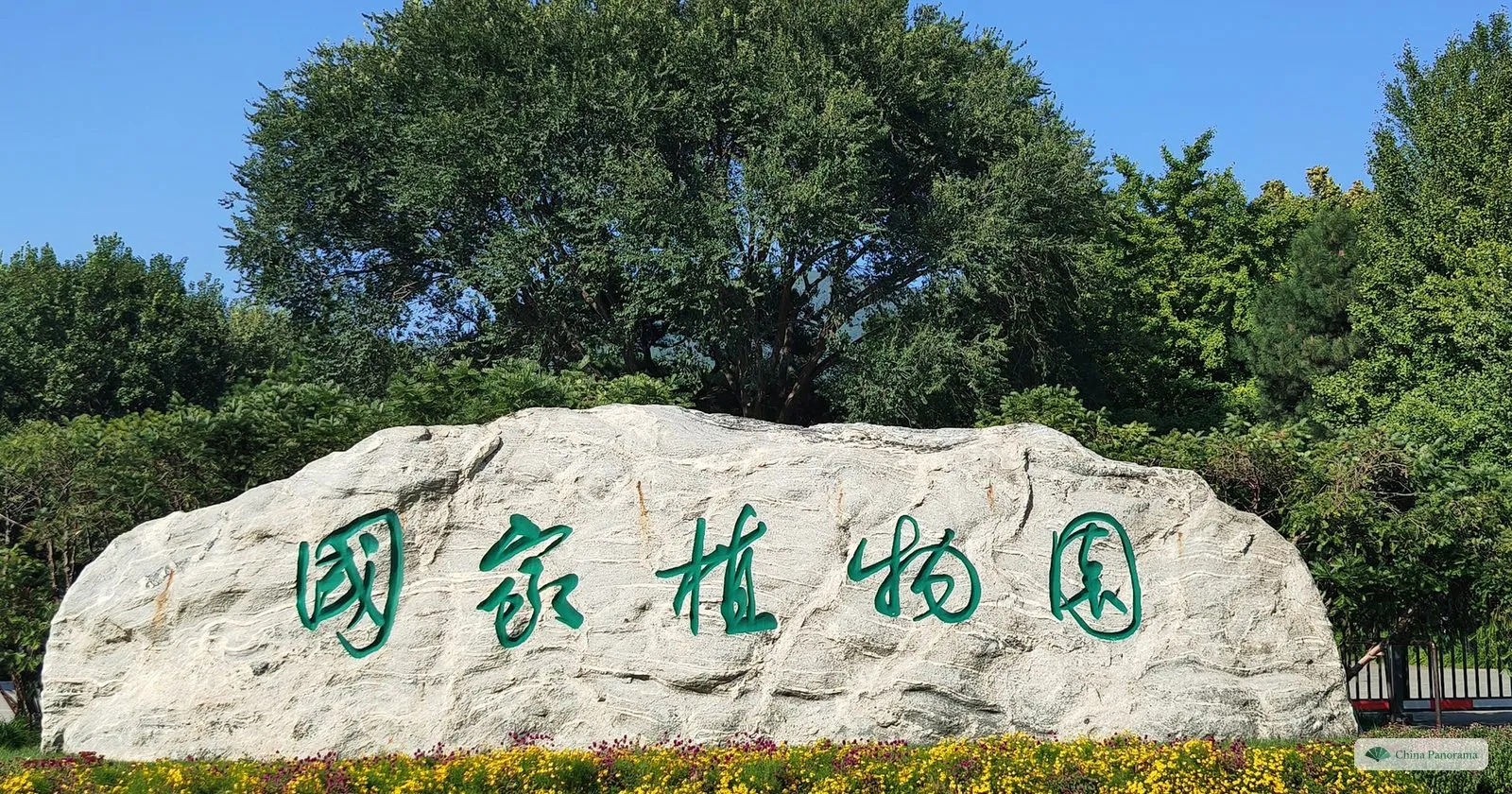
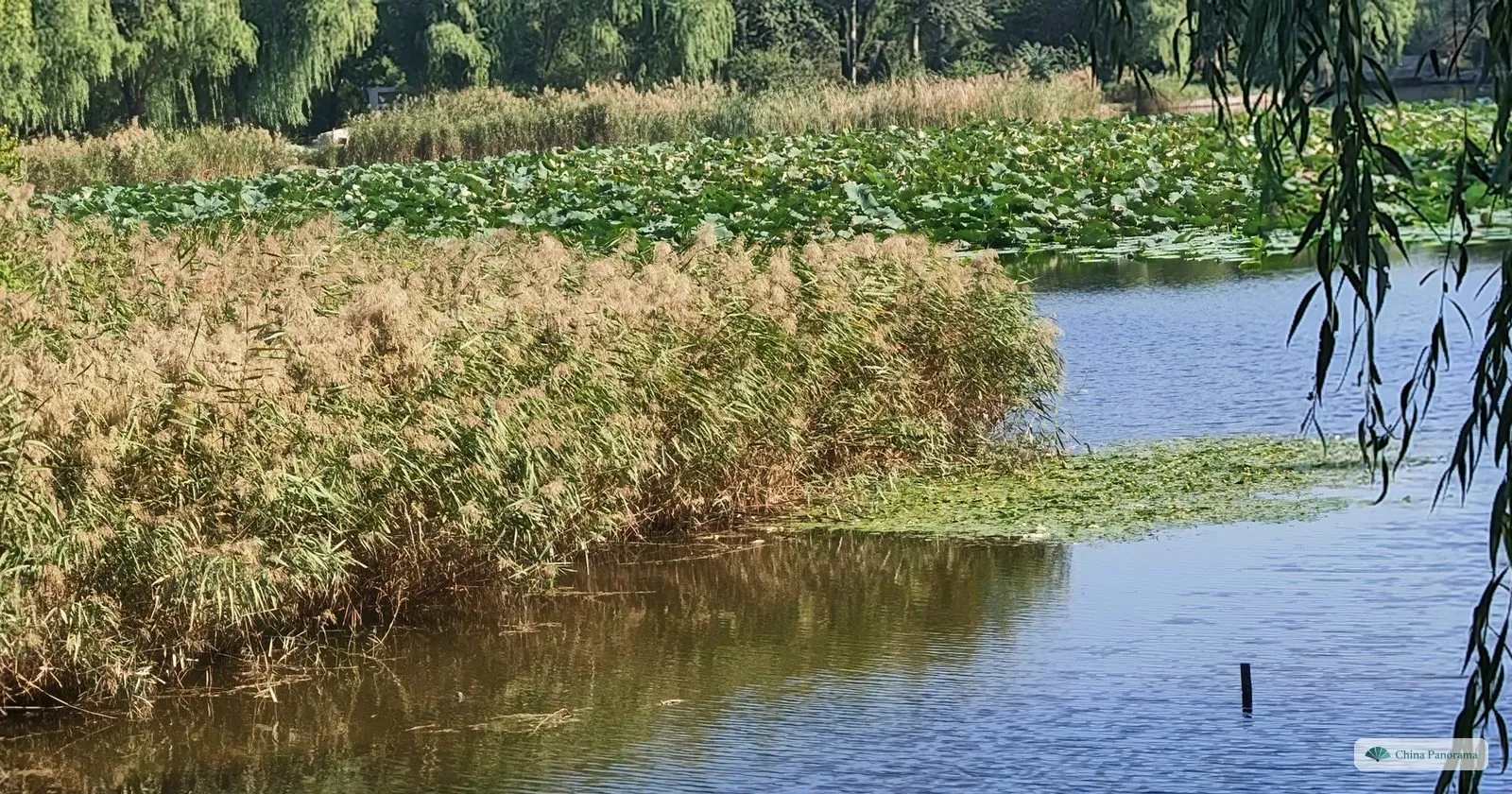
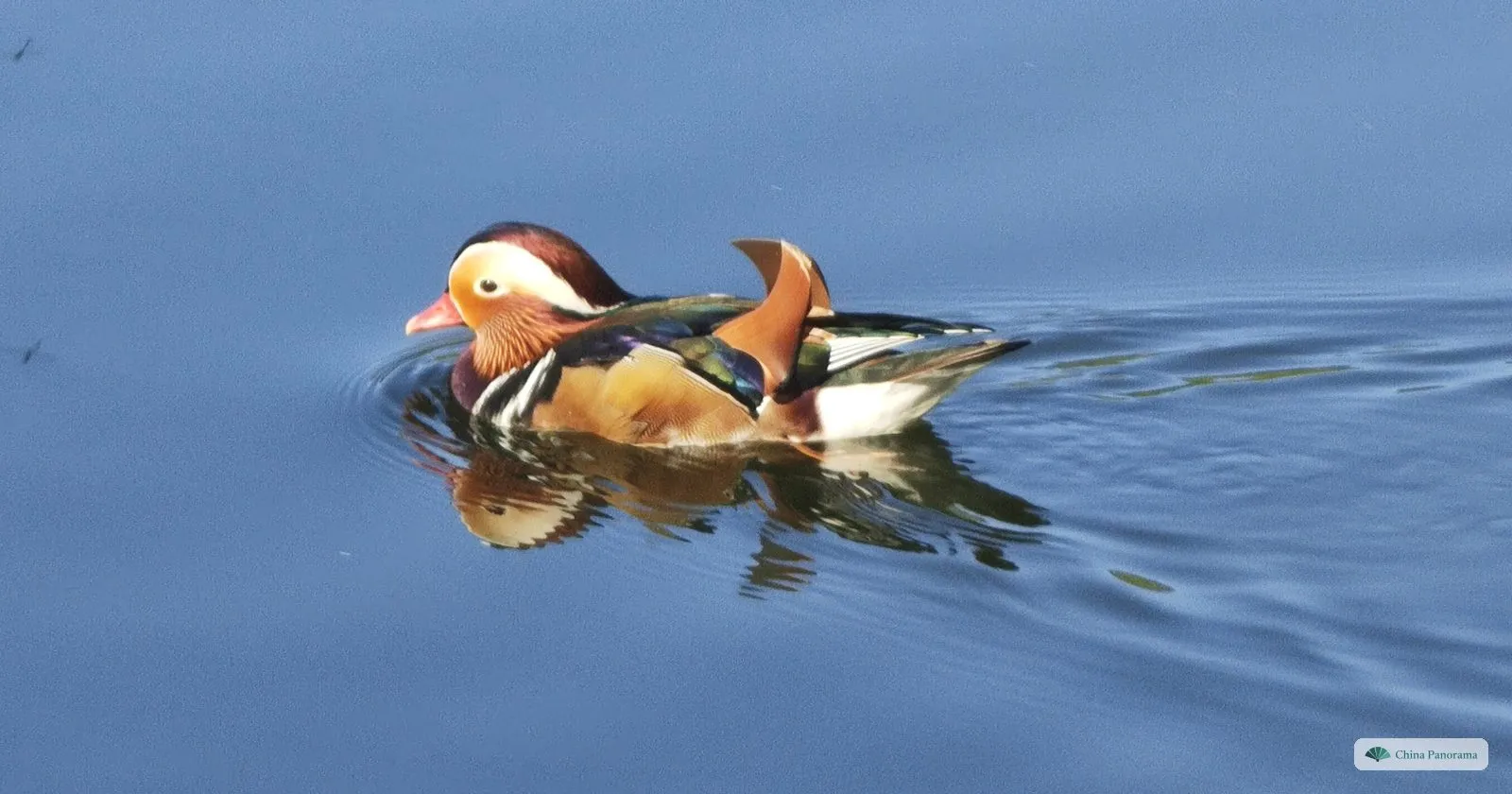
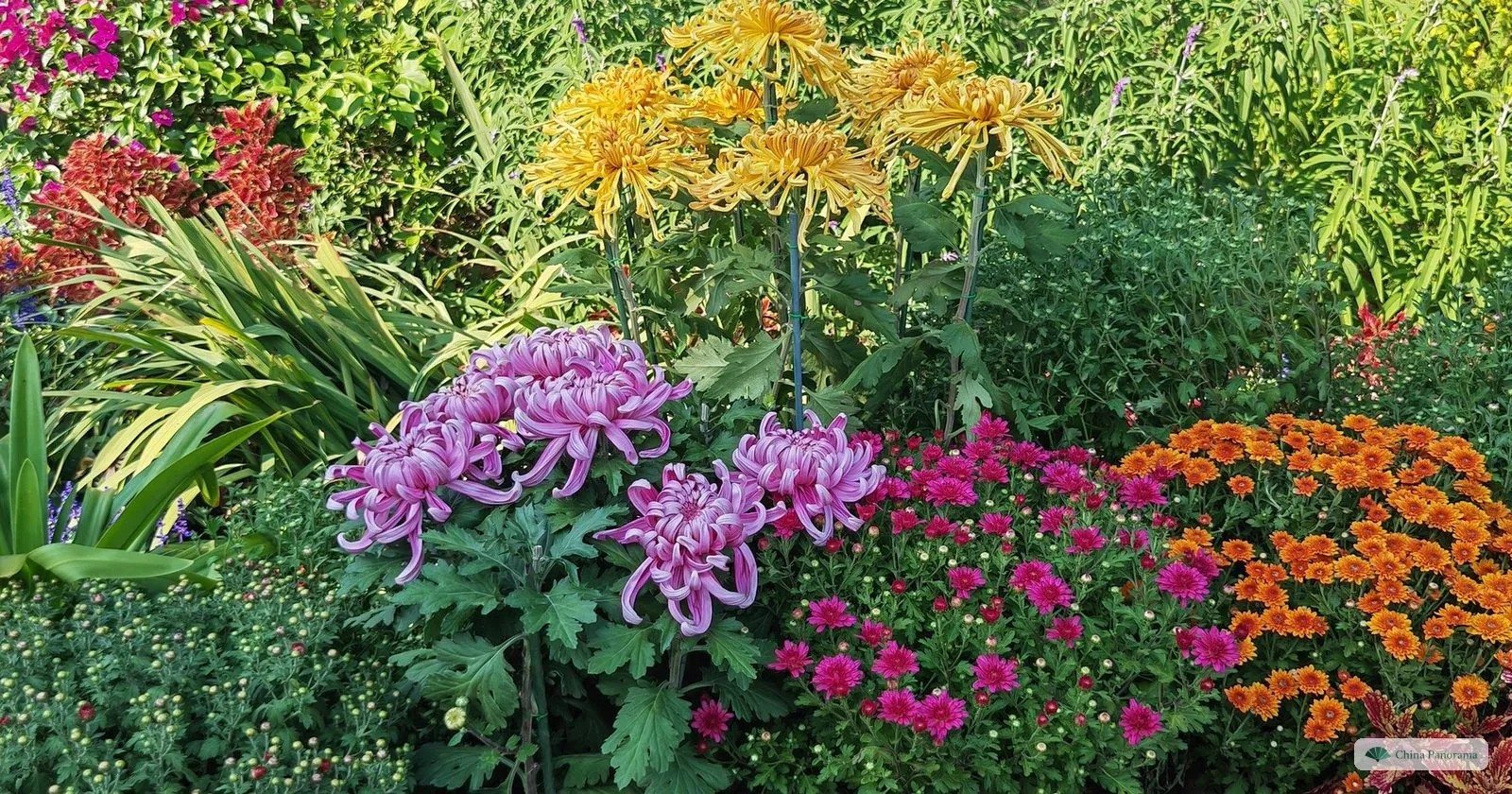
The big garden at the foot of the Fragrant Hills, renamed China National Botanical Garden in 2022 — most maps and most people still say Beijing Botanical Garden. It is large enough to swallow a weekend crowd: a rose garden, lakes with reed beds and lotus, a conservatory, and in a quiet corner the memorial to Cao Xueqin, who wrote Dream of the Red Chamber in a village here. In late September the beds were full of chrysanthemums and the mandarin ducks were on the lake.
In the north-west, about 18 km from Tiananmen and close to Badachu. Hours change with the season.
- Entry
- Price not verified — check on site
- Opening hours
- Hours not verified — check on site
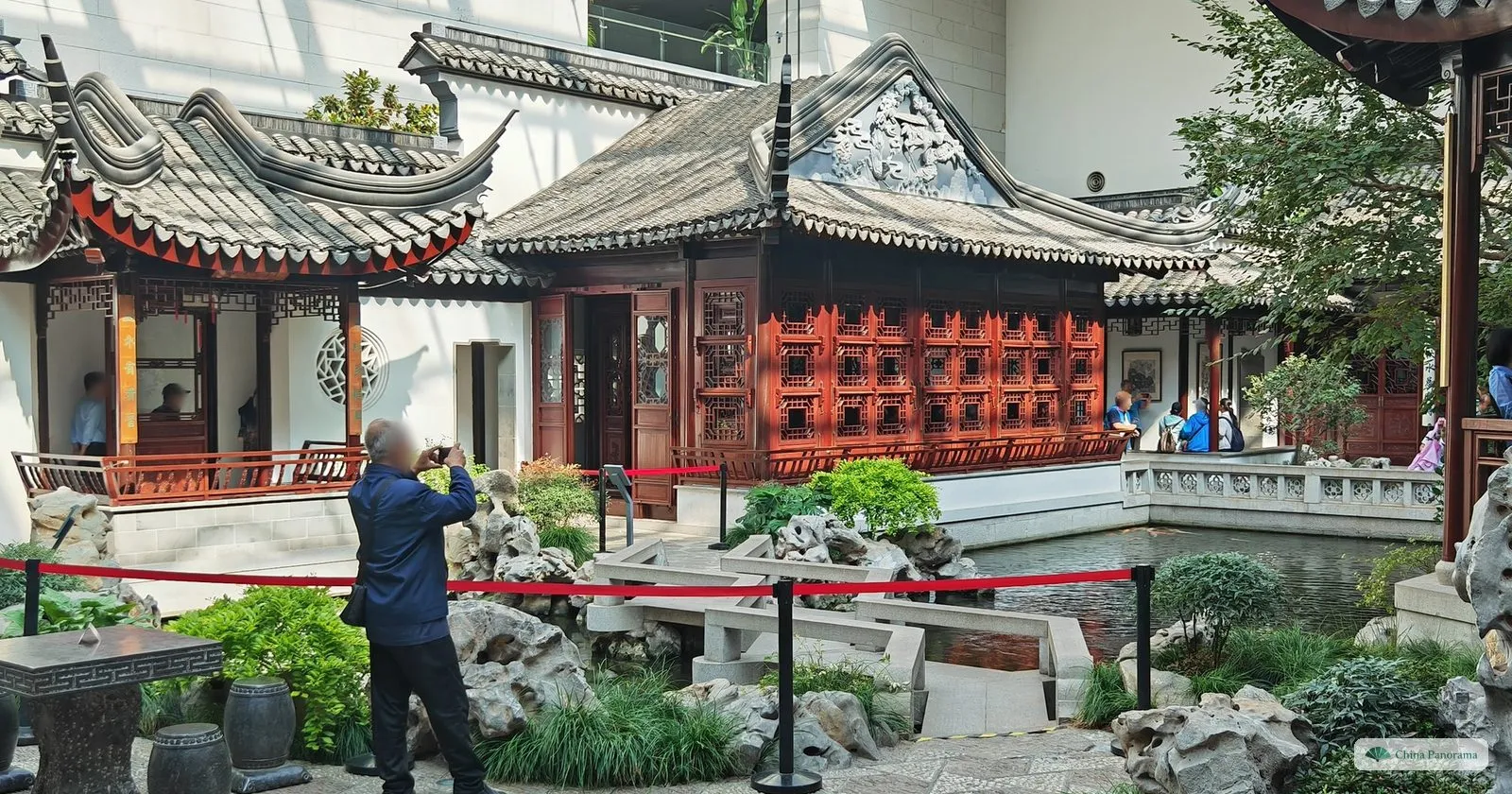
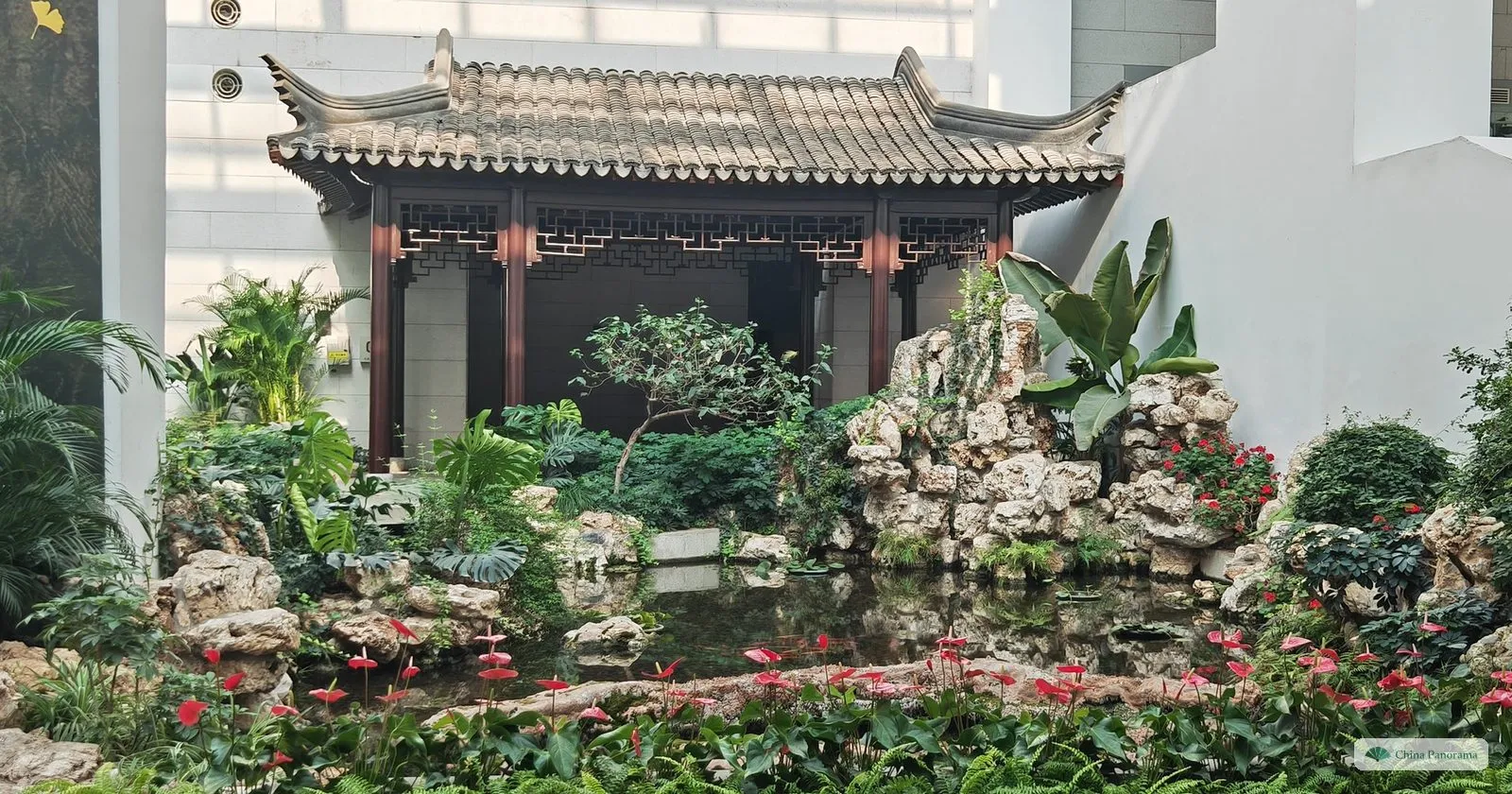 MuseumFengtai · 丰台区Indoors
A museum that does not just show pictures of gardens: it has built them, full size, some of them indoors. Under a glass roof you walk into a Suzhou scholar's garden with its pond, rockery and latticed pavilion; outside there is a northern courtyard in red and green, and a hill garden with a view of the Yongding Tower next door. The galleries cover the history, the rocks and the plants. If you cannot get to Suzhou, this is the place to understand what a Chinese garden is for.
In the south-west, next to the Garden Expo Park. Free, but you need a reservation, through the museum's official WeChat account or at the door. Closed on Mondays except public holidays.
- Entry
- Free
- Opening hours
- 09:00–17:00, closed Mondays
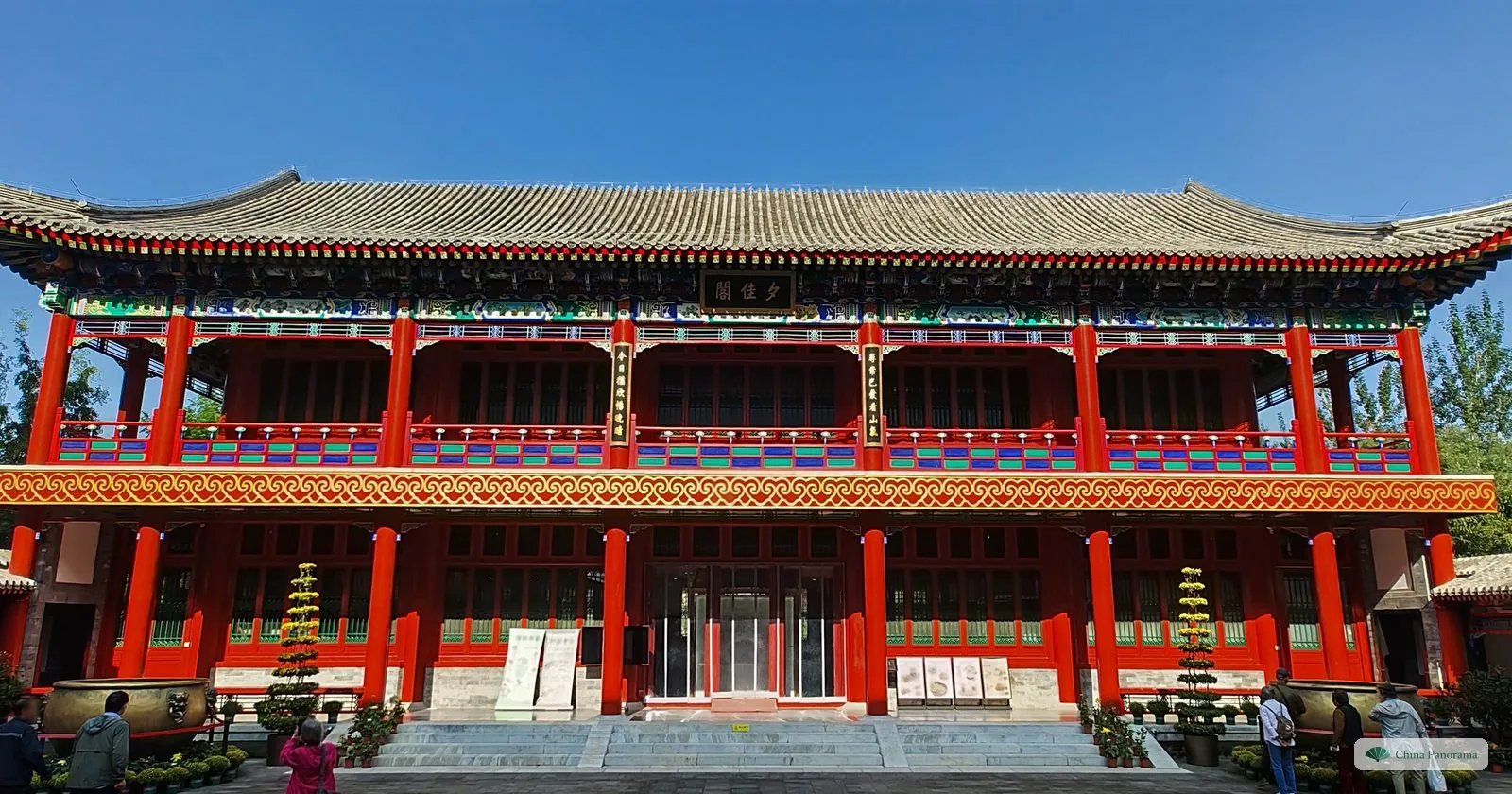
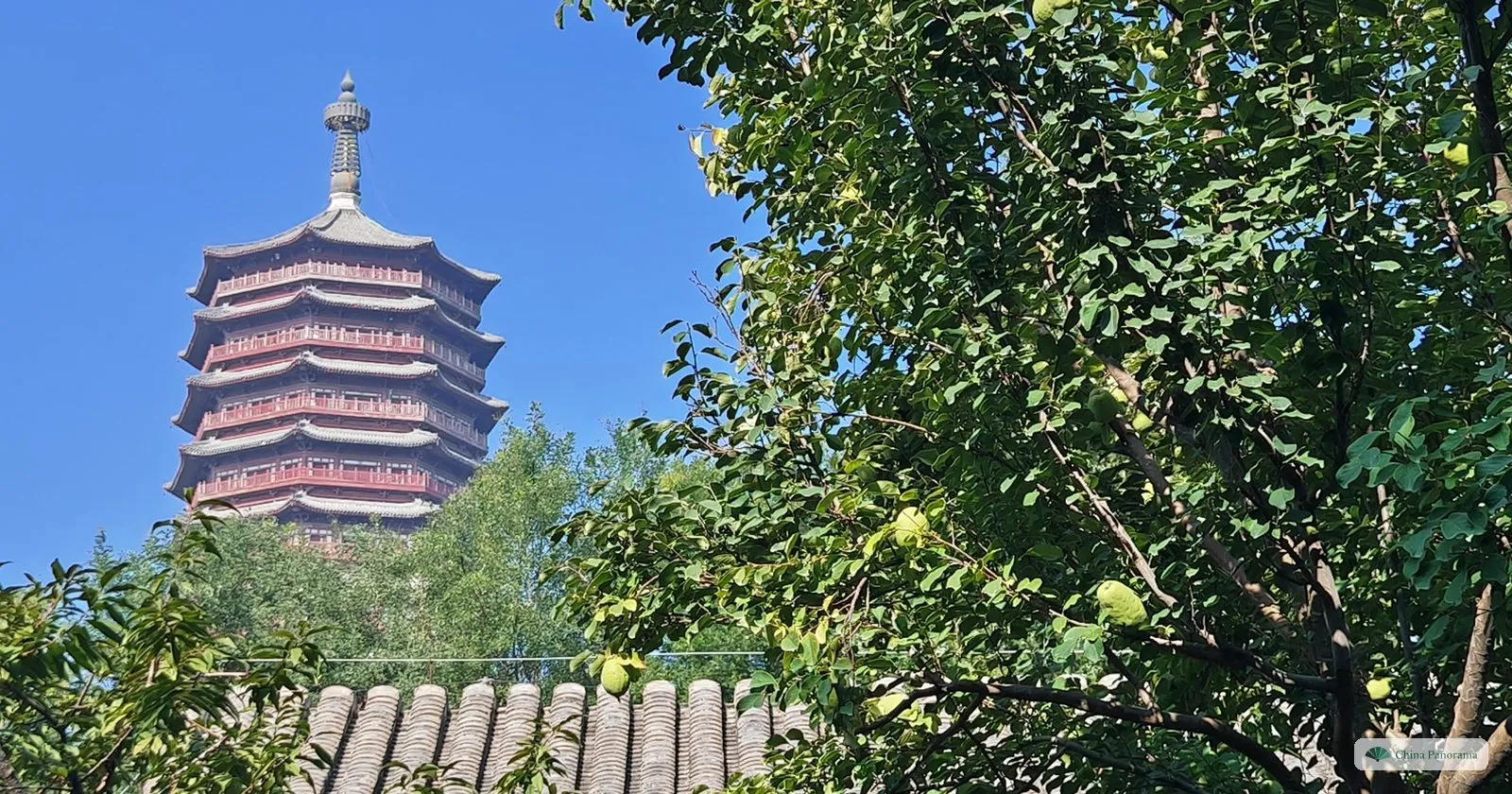
 ParkFengtai · 丰台区Outdoors
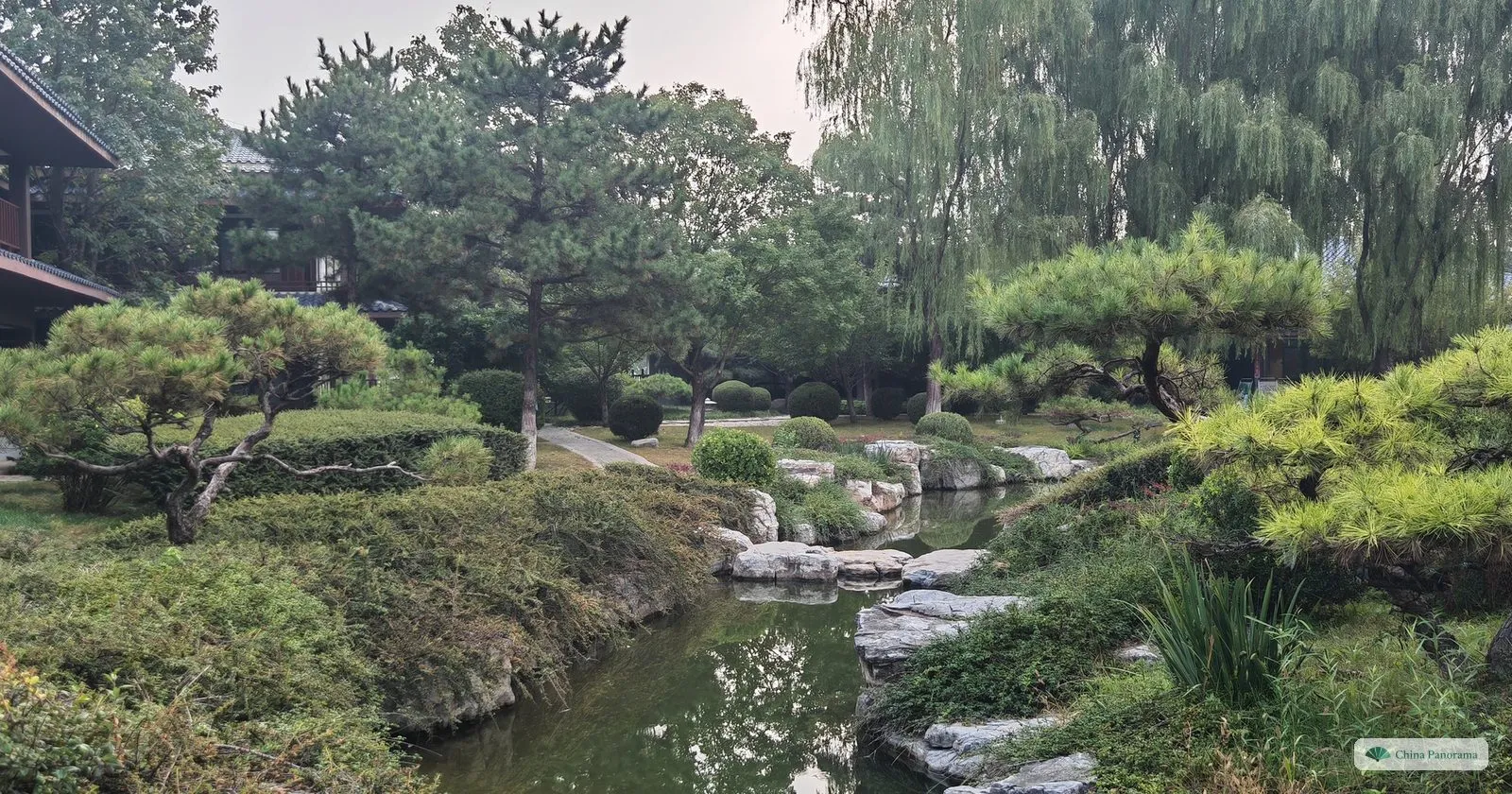
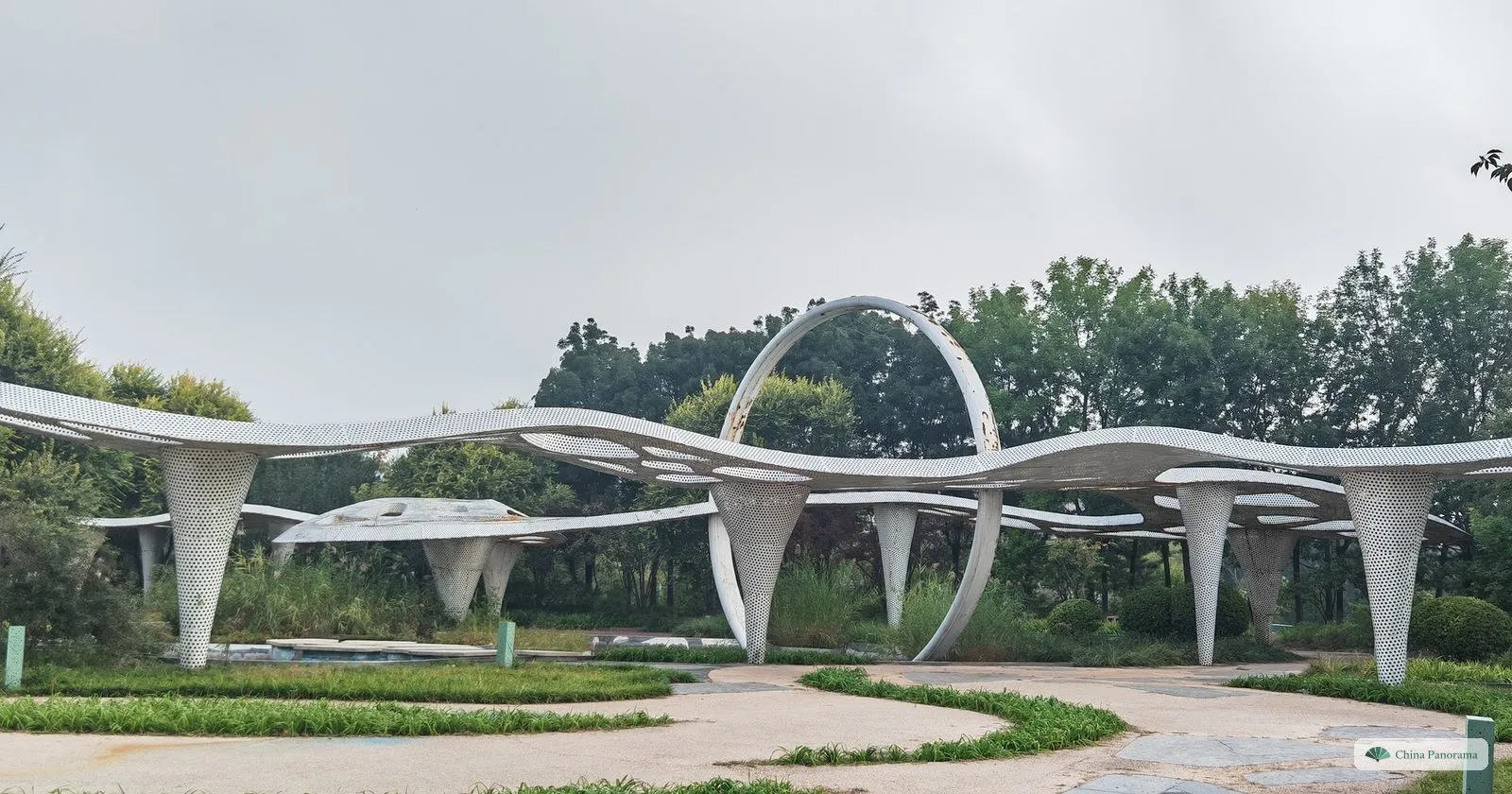
The site of the 2013 garden exposition, on the west bank of the Yongding River: dozens of show gardens, each built by a different Chinese city or foreign country, around a lake and under the Yongding Tower. Some are beautifully kept — we liked a quiet pine-and-stream garden — and some have been left to themselves, which has its own charm early in the morning with nobody about.
Next door to the Garden Museum; do the two together.
- Entry
- Price not verified — check on site
- Opening hours
- Hours not verified — check on site
Beijing World Park
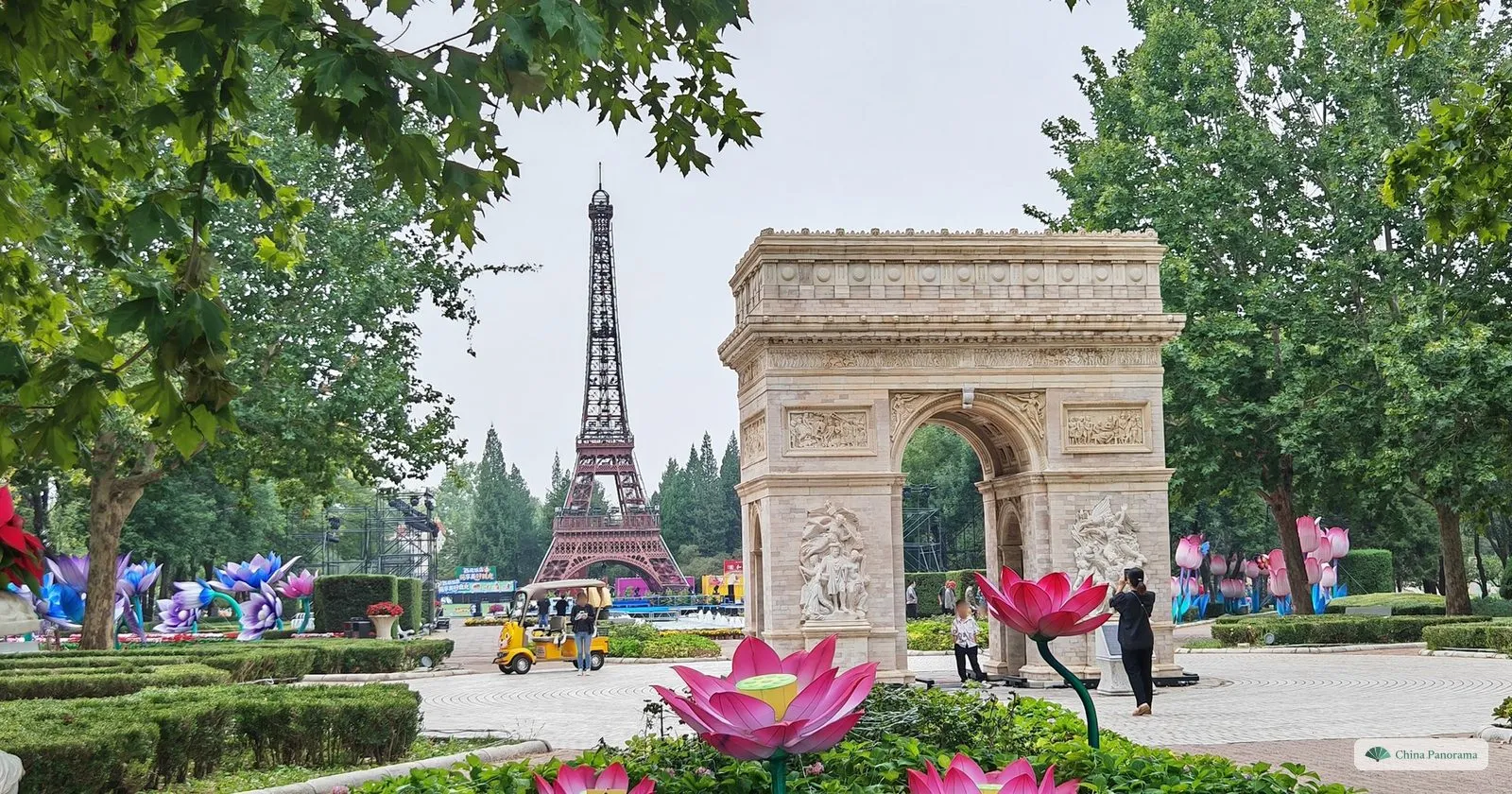
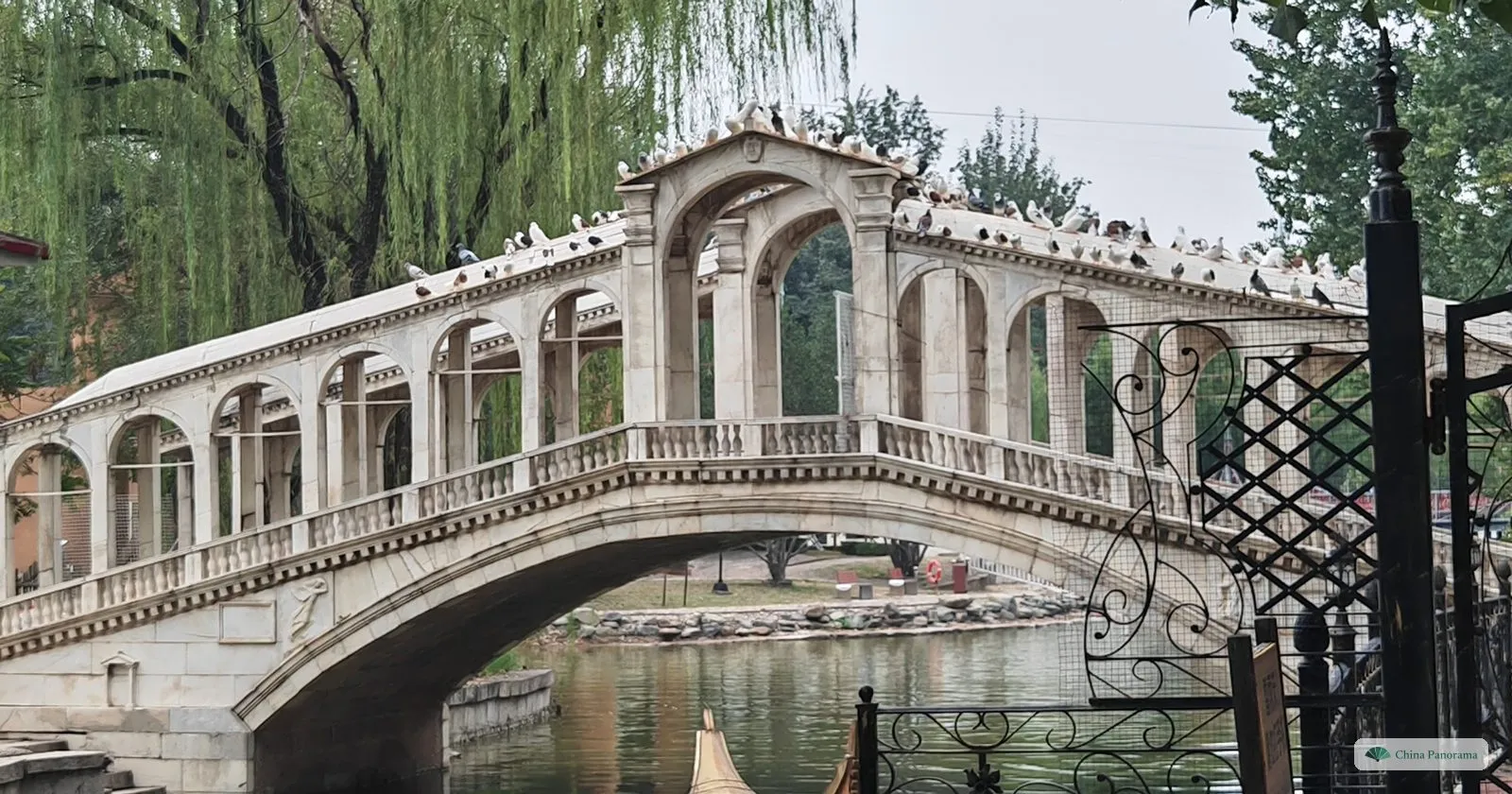
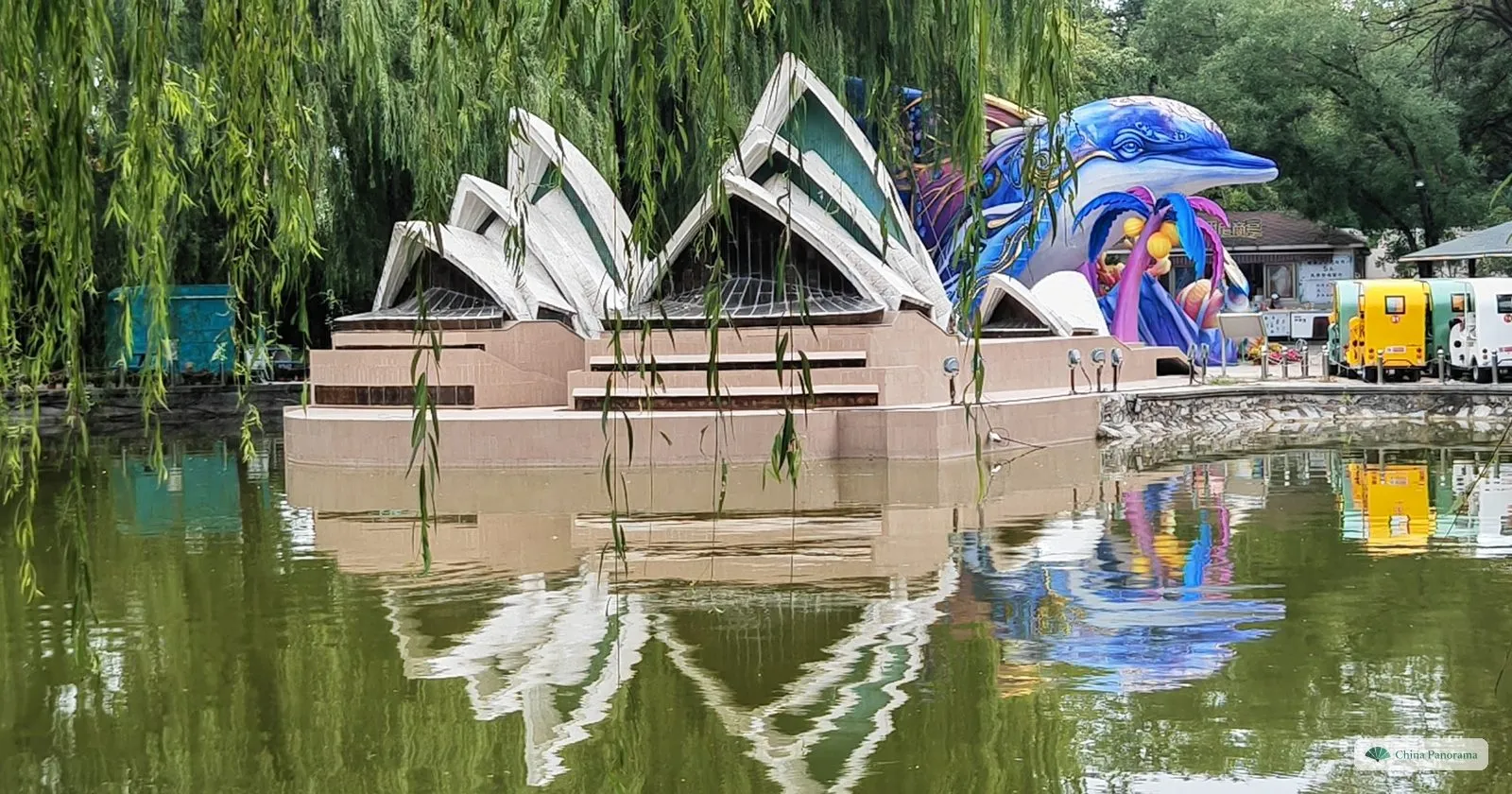
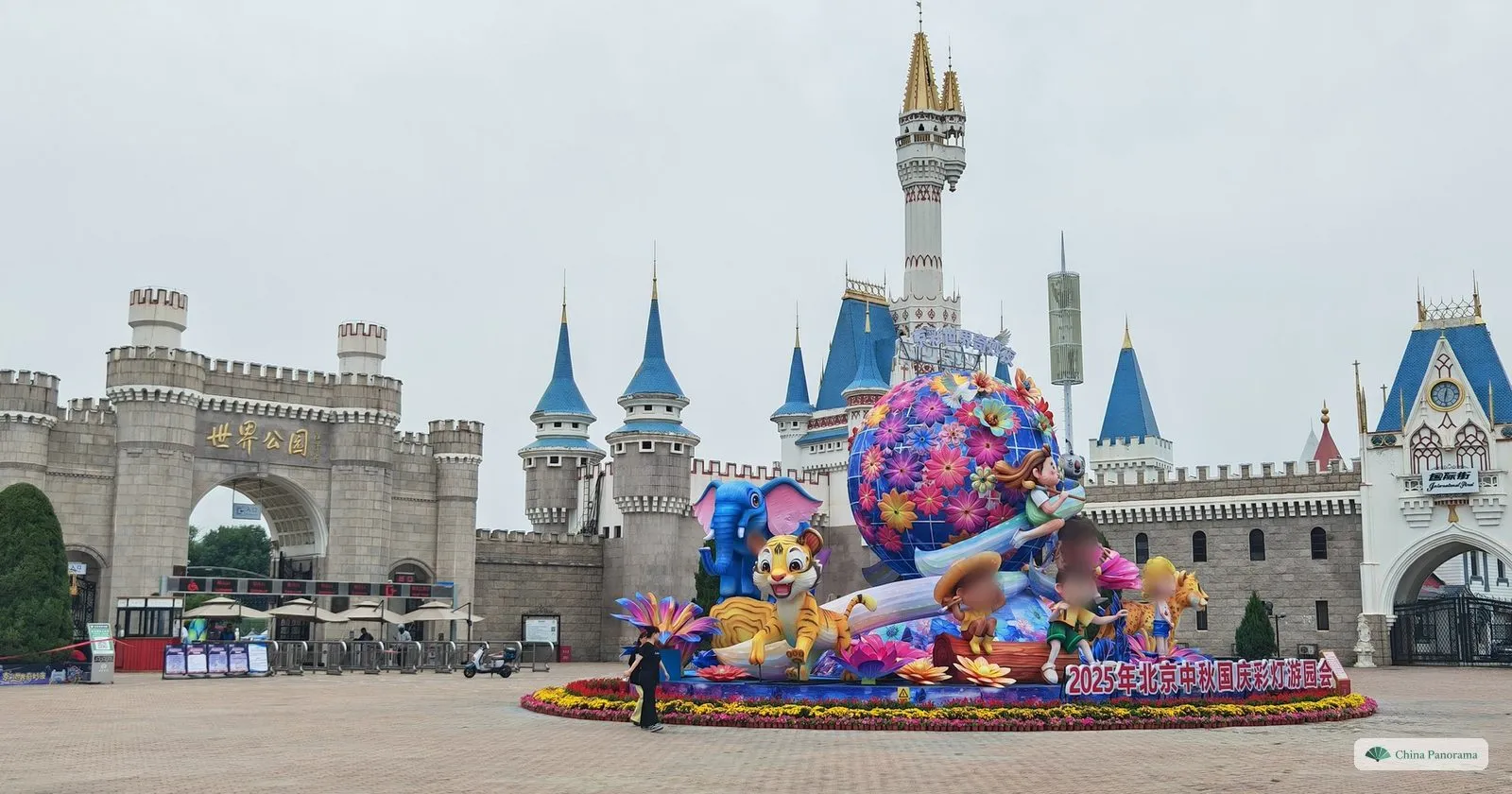
北京世界公园ParkFengtai · 丰台区OutdoorsThe world's landmarks at a fraction of their size, in a park opened in 1993: an Eiffel Tower behind an Arc de Triomphe, the Rialto Bridge over a canal, the Sydney Opera House on a pond, the Taj Mahal, the Leaning Tower. It is dated and completely sincere, and when we went the lawns were also full of giant lantern figures for an evening lantern show. Good with children, and an odd, memorable hour without them.
In the south-west, about 14 km from Tiananmen. Entry to the park is free until 31 December 2026; shows and rides inside cost extra. At weekends and on public holidays you must reserve by name through the park's official WeChat account; on weekdays you walk in.
- Entry
- 0 CNY · free until 31 December 2026; weekends need a reservation
- Opening hours
- Hours not verified — check on site
China Railway Museum, Dongjiao branch
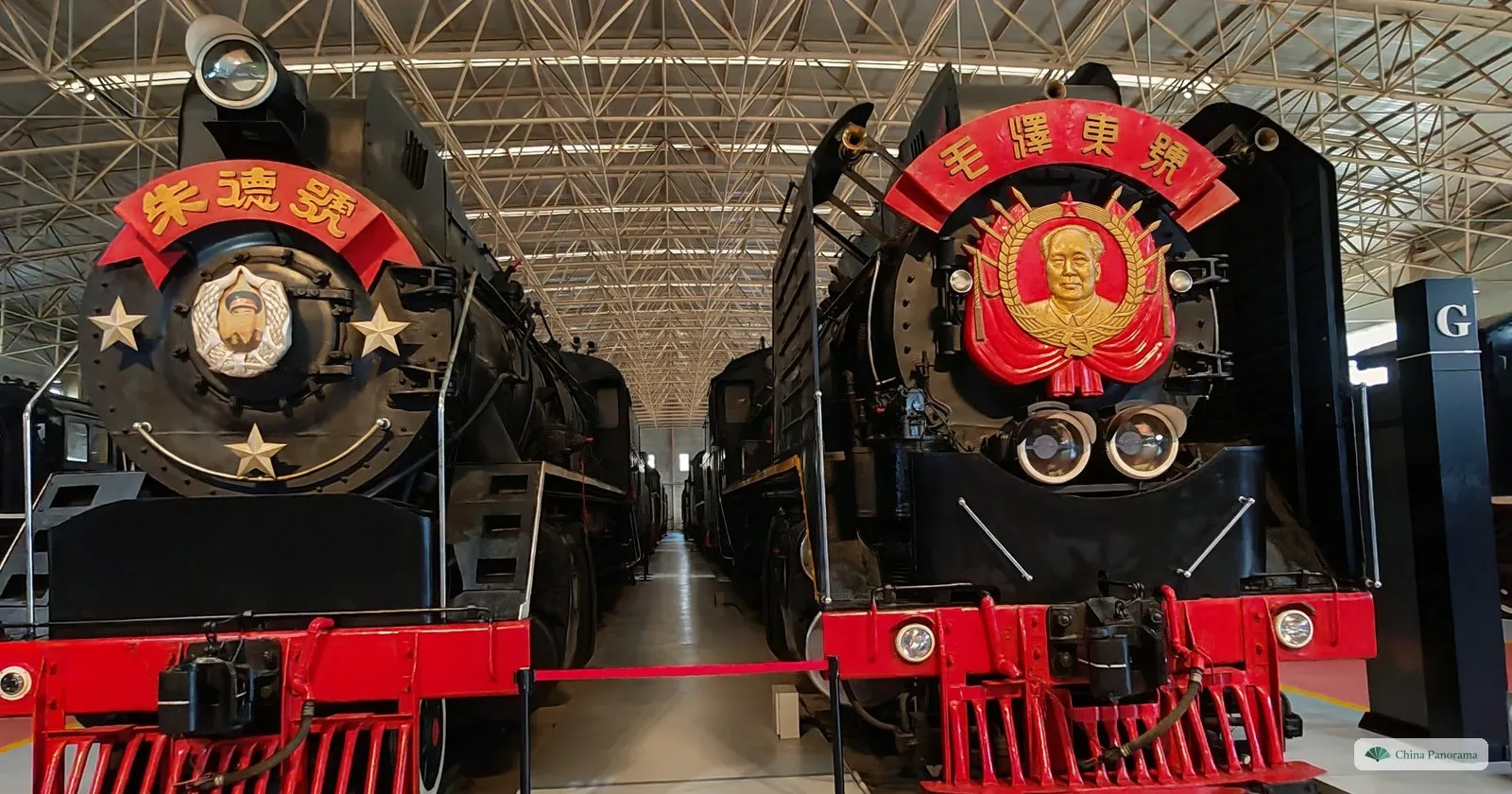
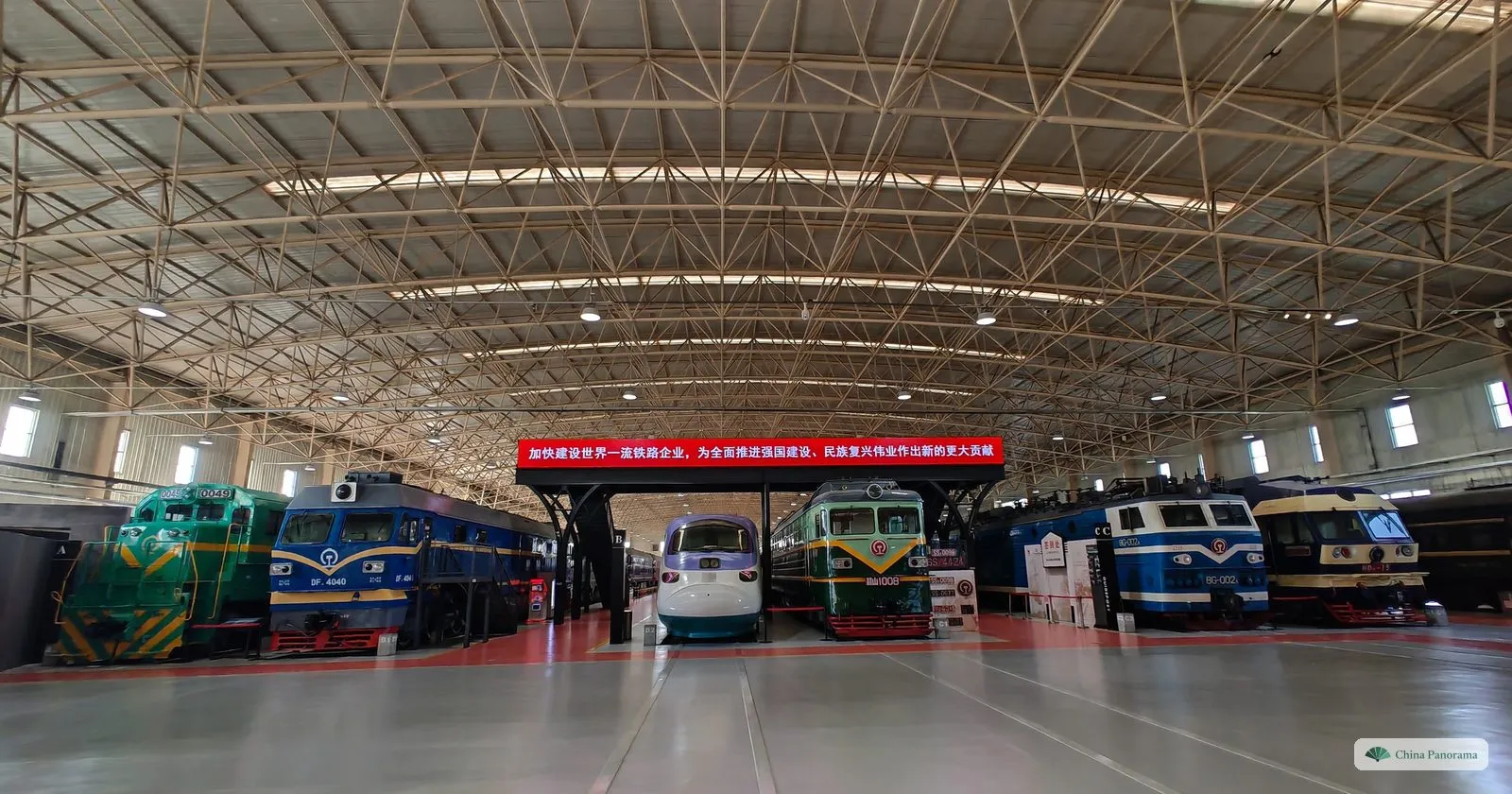
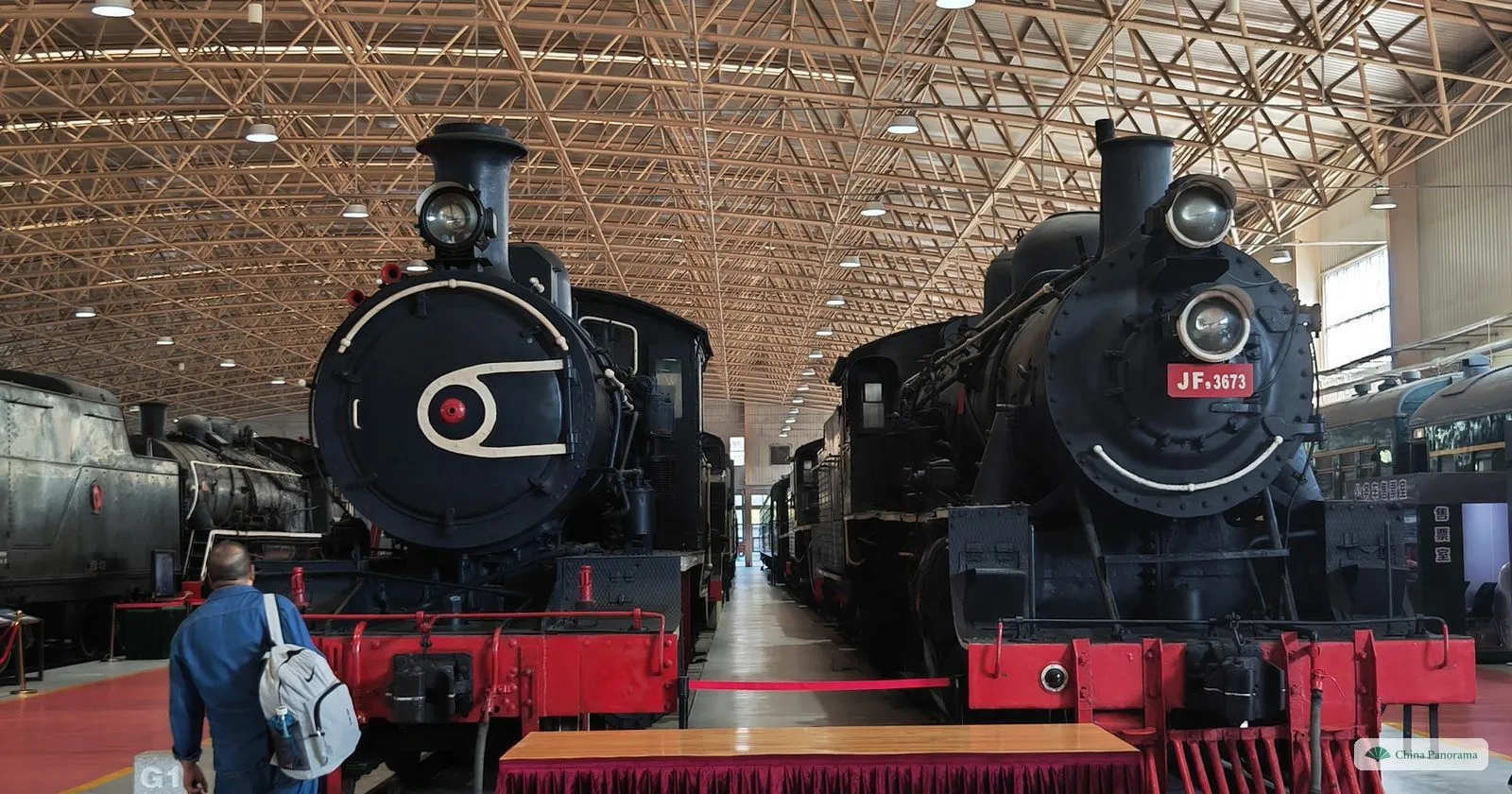
中国铁道博物馆 东郊展馆MuseumChaoyang · 朝阳区IndoorsOne enormous hall with eight tracks of locomotives and carriages parked nose to tail: steam engines from the first days of Chinese railways, big black freight engines of the 1950s, diesels, electrics and the first high-speed sets. Two steam locomotives stand side by side at the front, named Mao Zedong and Zhu De and carrying their portraits in red and gold. You walk between the wheels, and there are steps up to some of the cabs. The museum's other branch, in the old station building at Qianmen, has models and documents; this is the one with the trains.
In the north-east, about 14 km from Tiananmen, beyond 798 and not near a metro station — take a taxi. Weekends and public holidays 09:00–16:30. We have not confirmed the ticket price or the weekly closing day.
- Entry
- Price not verified — check on site
- Opening hours
- Tue–Fri 09:00–16:00
 MuseumFangshan · 房山区Indoors
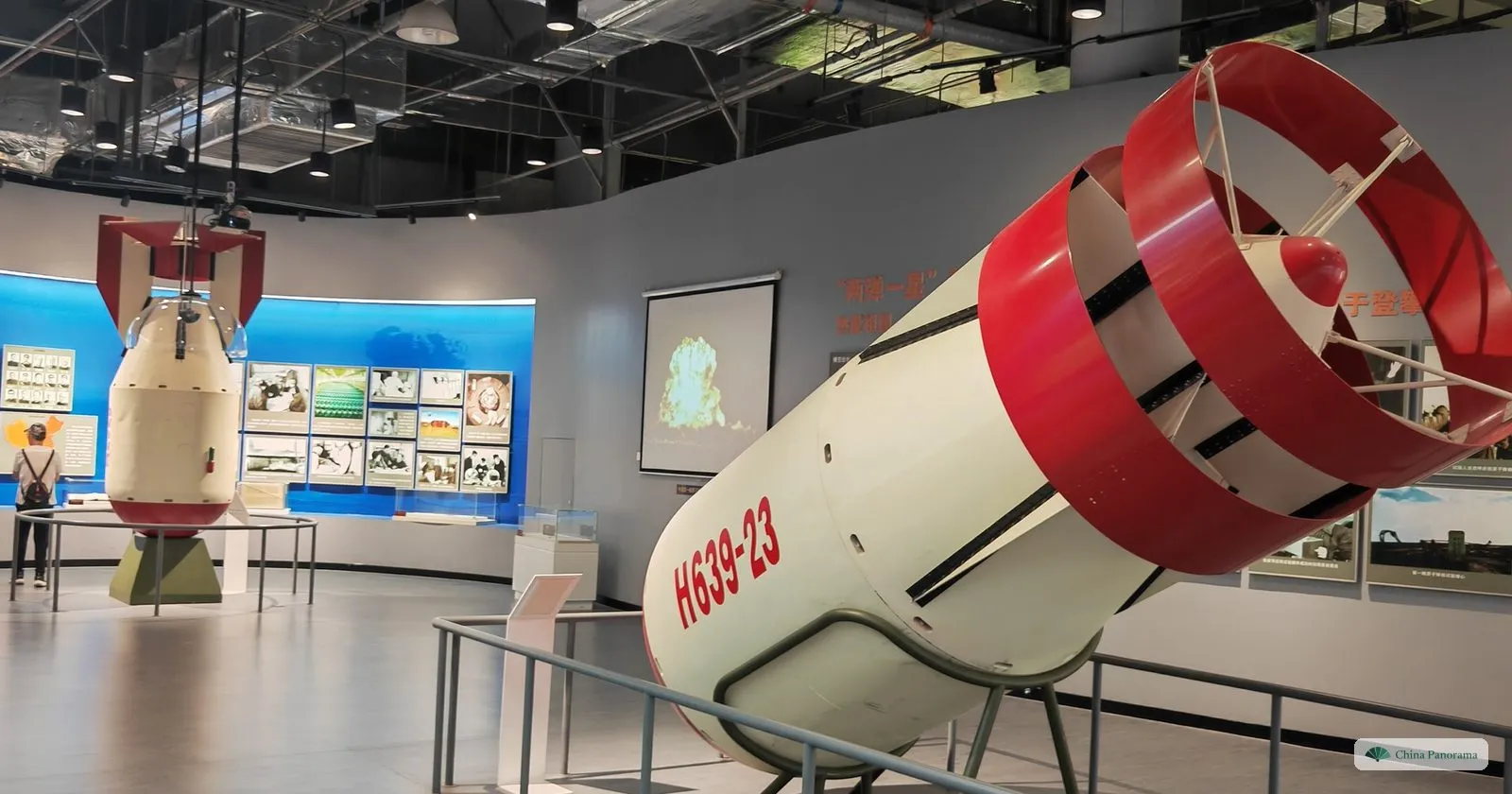
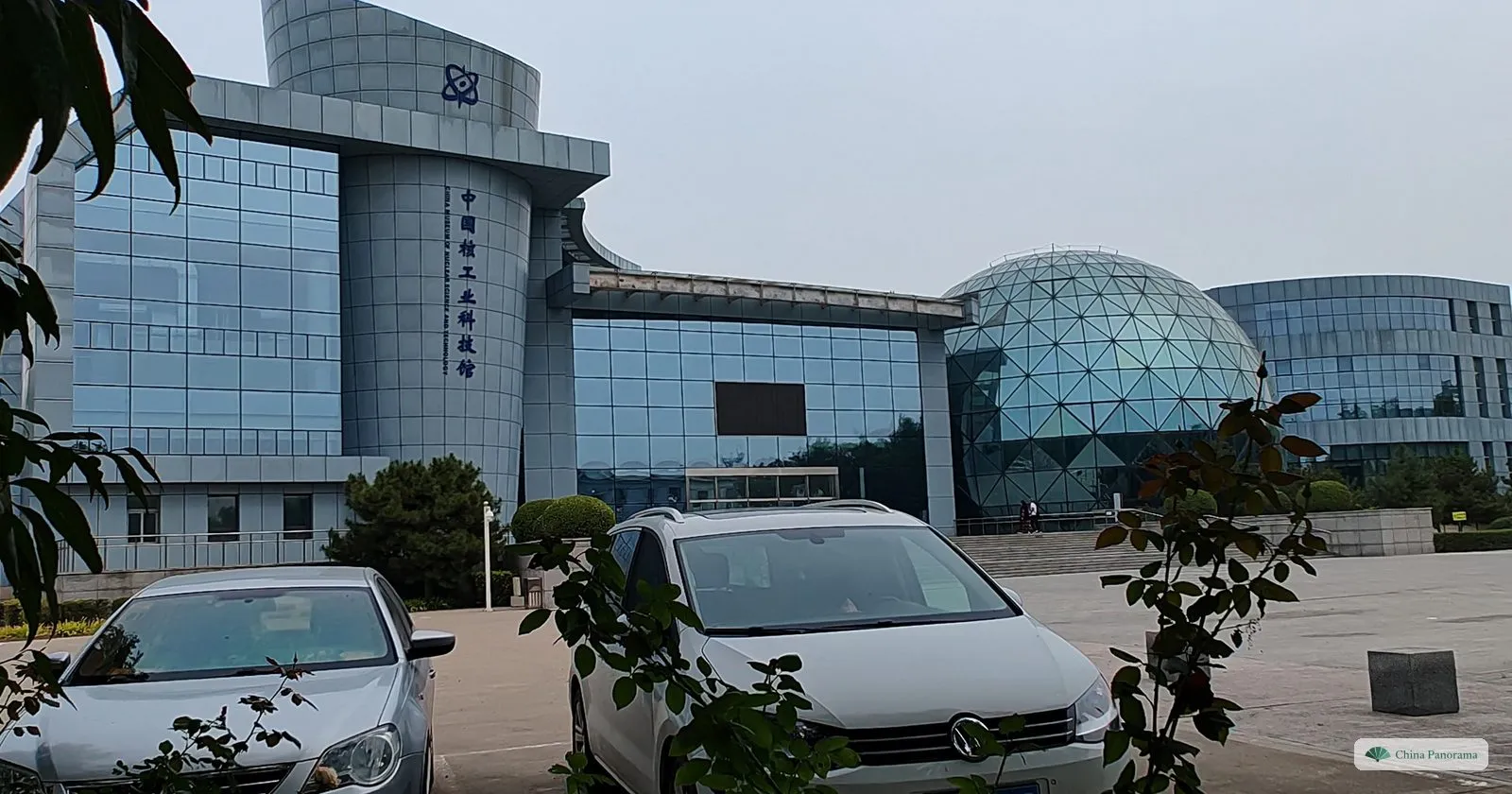
A museum most Beijingers have never heard of, on the campus of the country's atomic research institute far out in the south-west. It tells the story of the Chinese bomb and of the power programme that followed, with full-size casings of the first weapons, cutaway models of reactors and of a fusion device, and a hall on the scientists. The labels are in Chinese, and the tone is one of national pride; as a look at how China presents this history to itself, it is fascinating.
About 35 km from Tiananmen and only practical by car. We do not know whether foreign visitors need to register in advance — have a Chinese speaker phone ahead.
- Entry
- Price not verified — check on site
- Opening hours
- Hours not verified — check on site
Grand View Garden
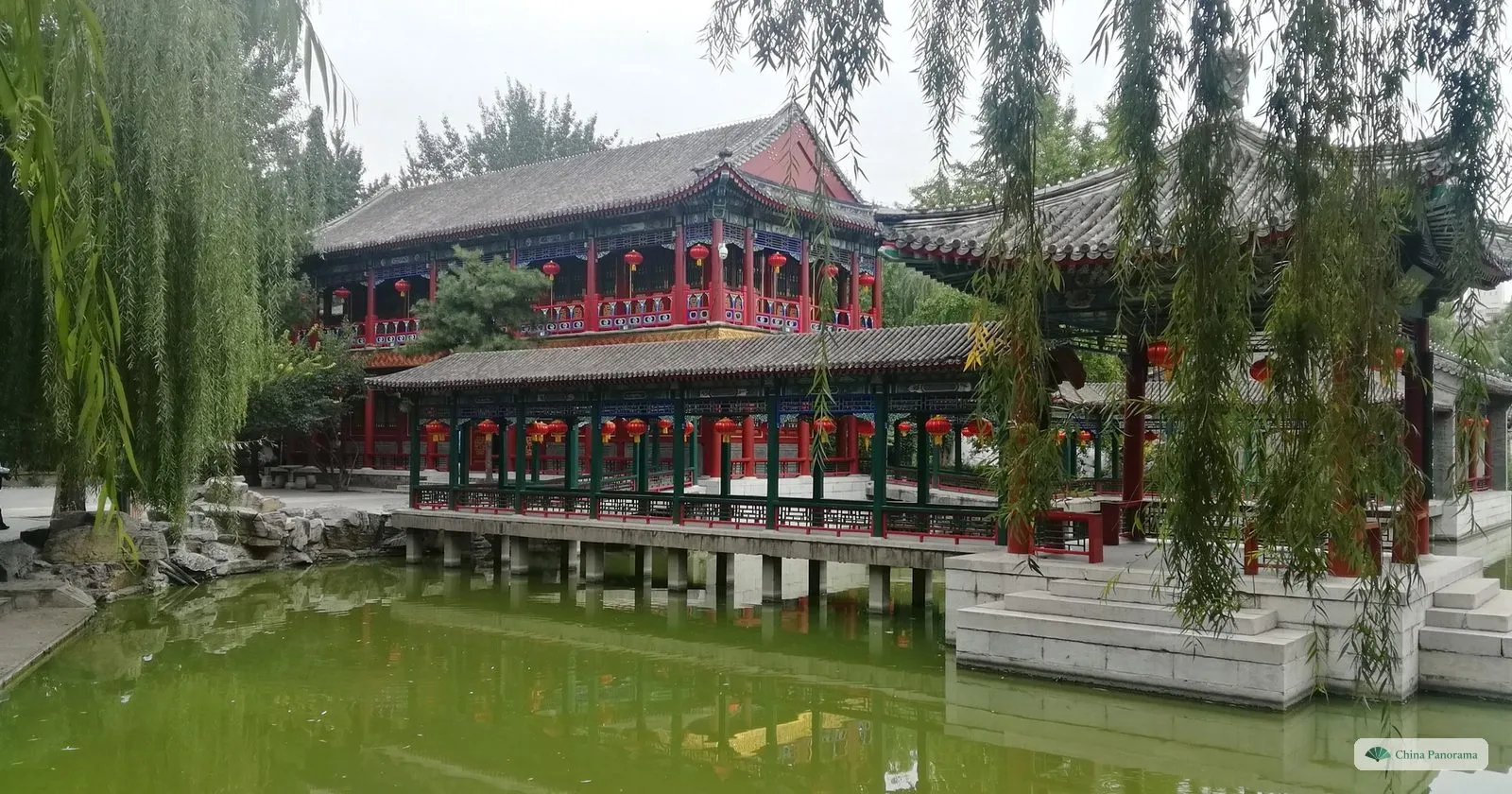
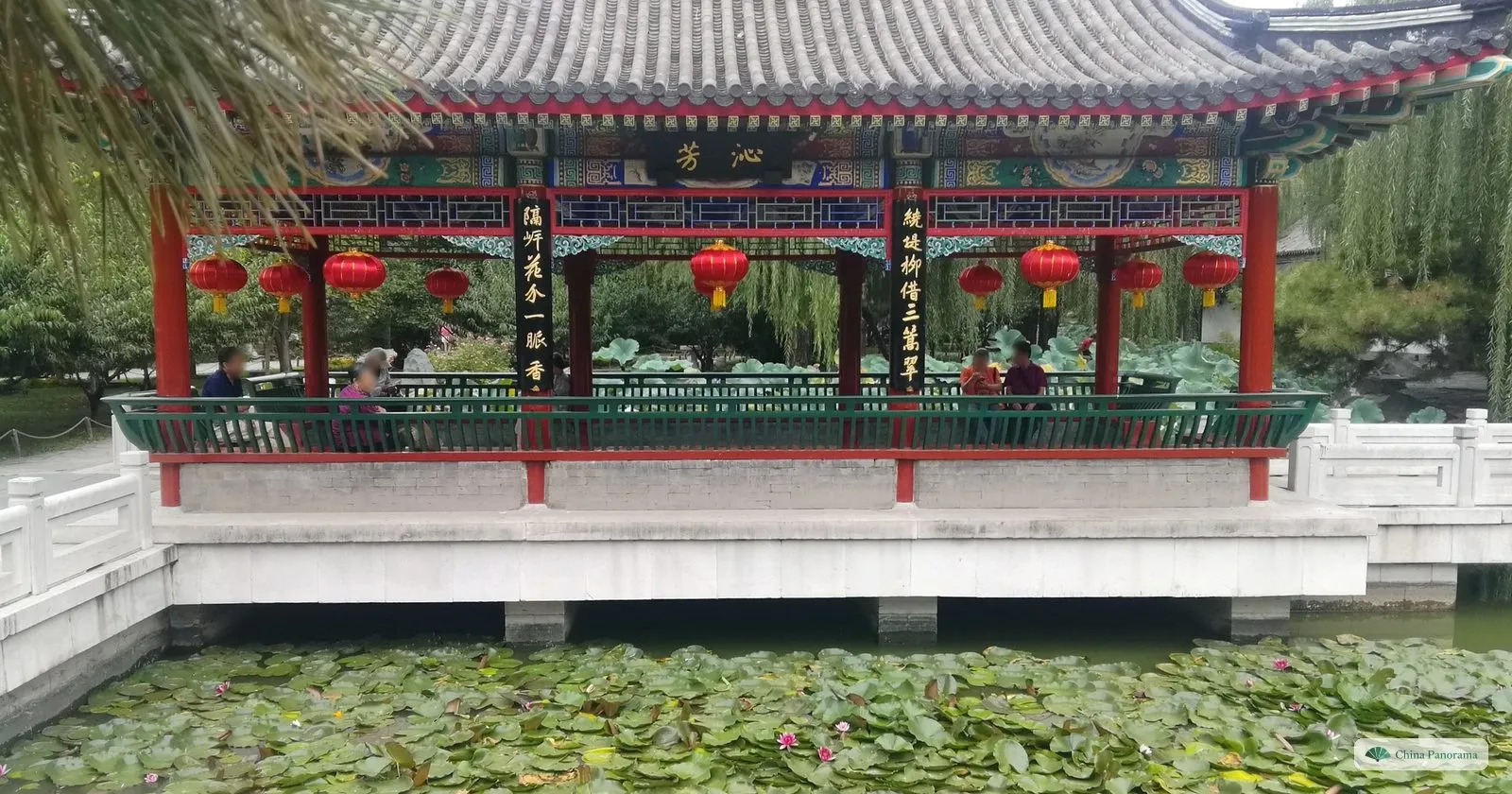
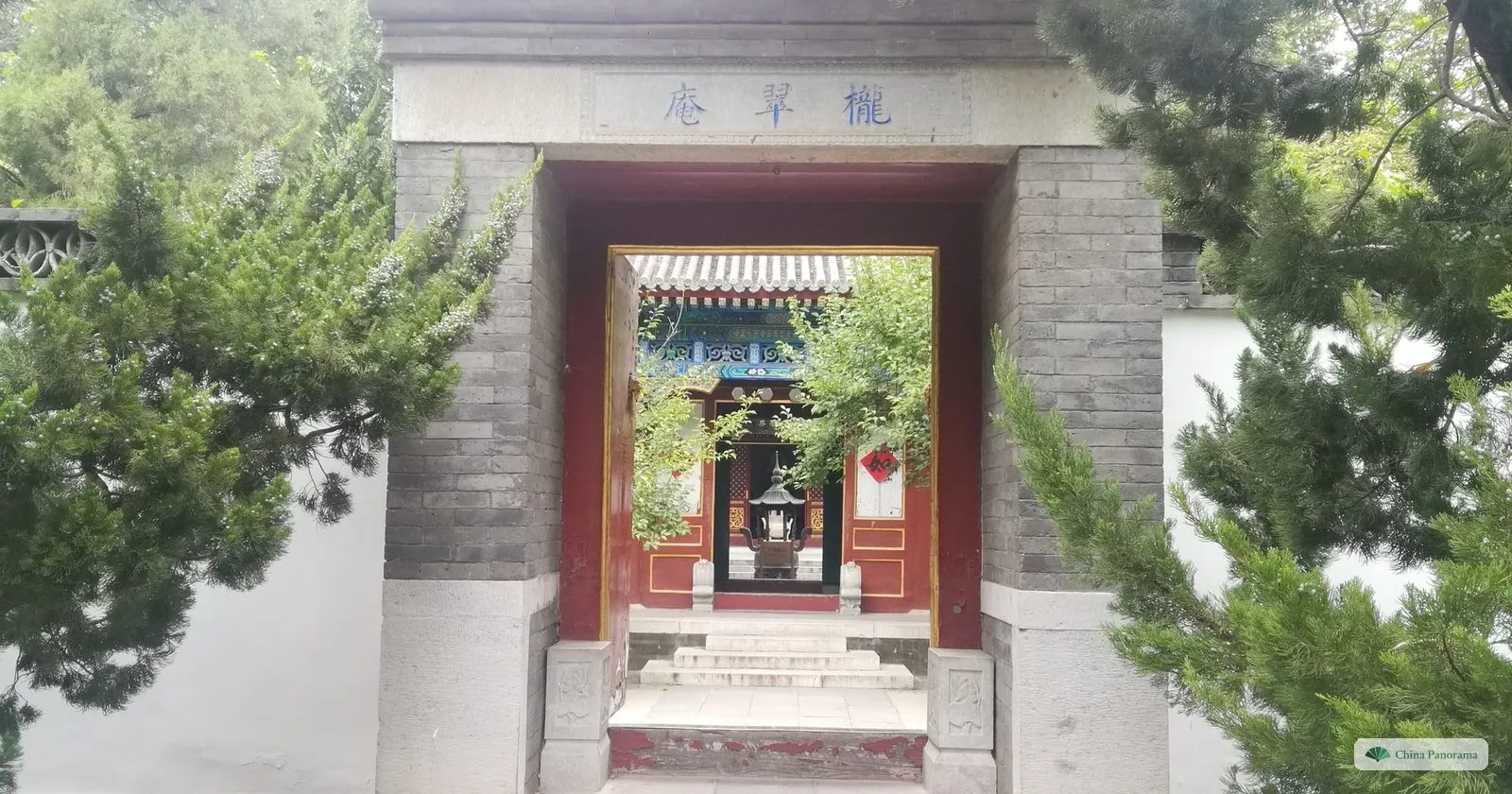
北京大观园Classical gardenXicheng · 西城区OutdoorsThe garden from the novel Dream of the Red Chamber, built in the 1980s as the set for the television series and kept as a park. It is a classical garden in the northern style done at full scale and without the crowds of the real imperial ones: a lake ringed with willows, waterside halls hung with red lanterns, moon gates, and the young heroes' courtyards one after another. Knowing the book helps; liking gardens is enough.
In the south-west corner of the old city, inside the Second Ring Road.
- Entry
- Price not verified — check on site
- Opening hours
- Hours not verified — check on site
 MuseumDongcheng · 东城区Indoors
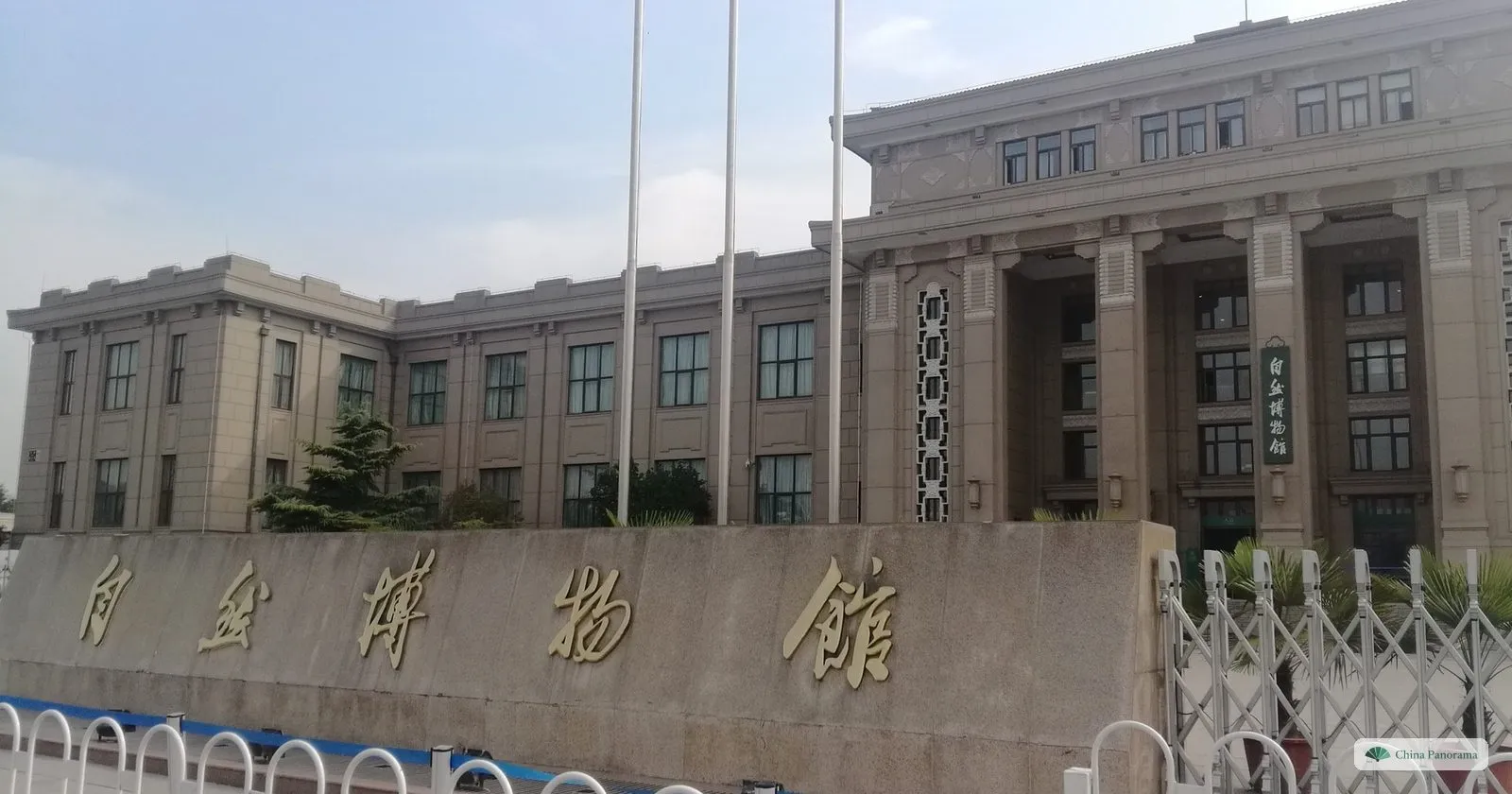
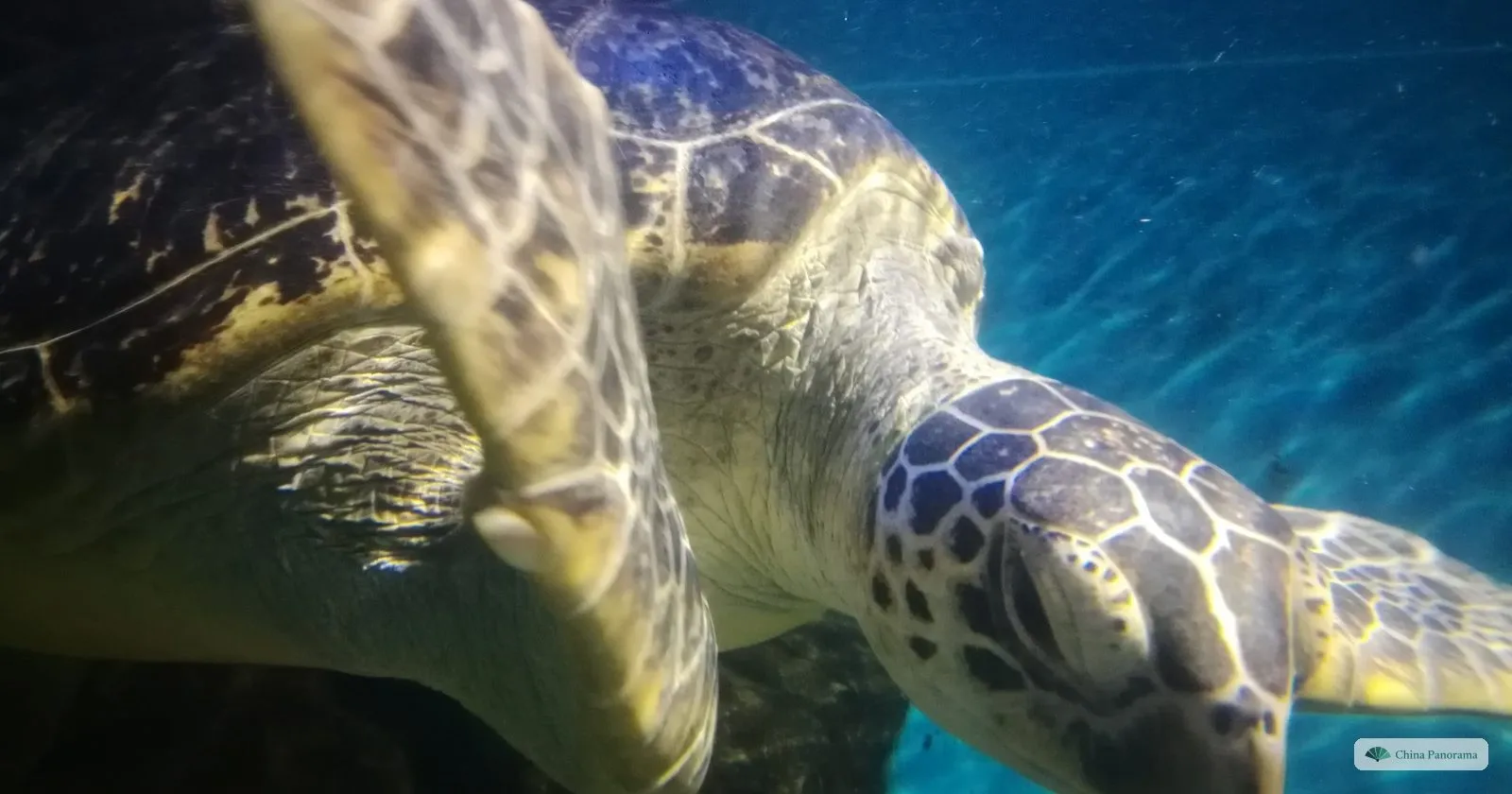
The old Beijing Museum of Natural History, a columned 1950s building at Tianqiao just west of the Temple of Heaven, now with a national title. Dinosaurs are the draw — Chinese finds, some of them enormous — along with halls of fossils, dioramas and, in the basement, an aquarium where a sea turtle swims up to the glass. It is the classic rainy-day museum for Beijing families, which tells you how busy it gets at weekends.
About 3 km south of Tiananmen. Expect to need a reservation.
- Entry
- Price not verified — check on site
- Opening hours
- Hours not verified — check on site
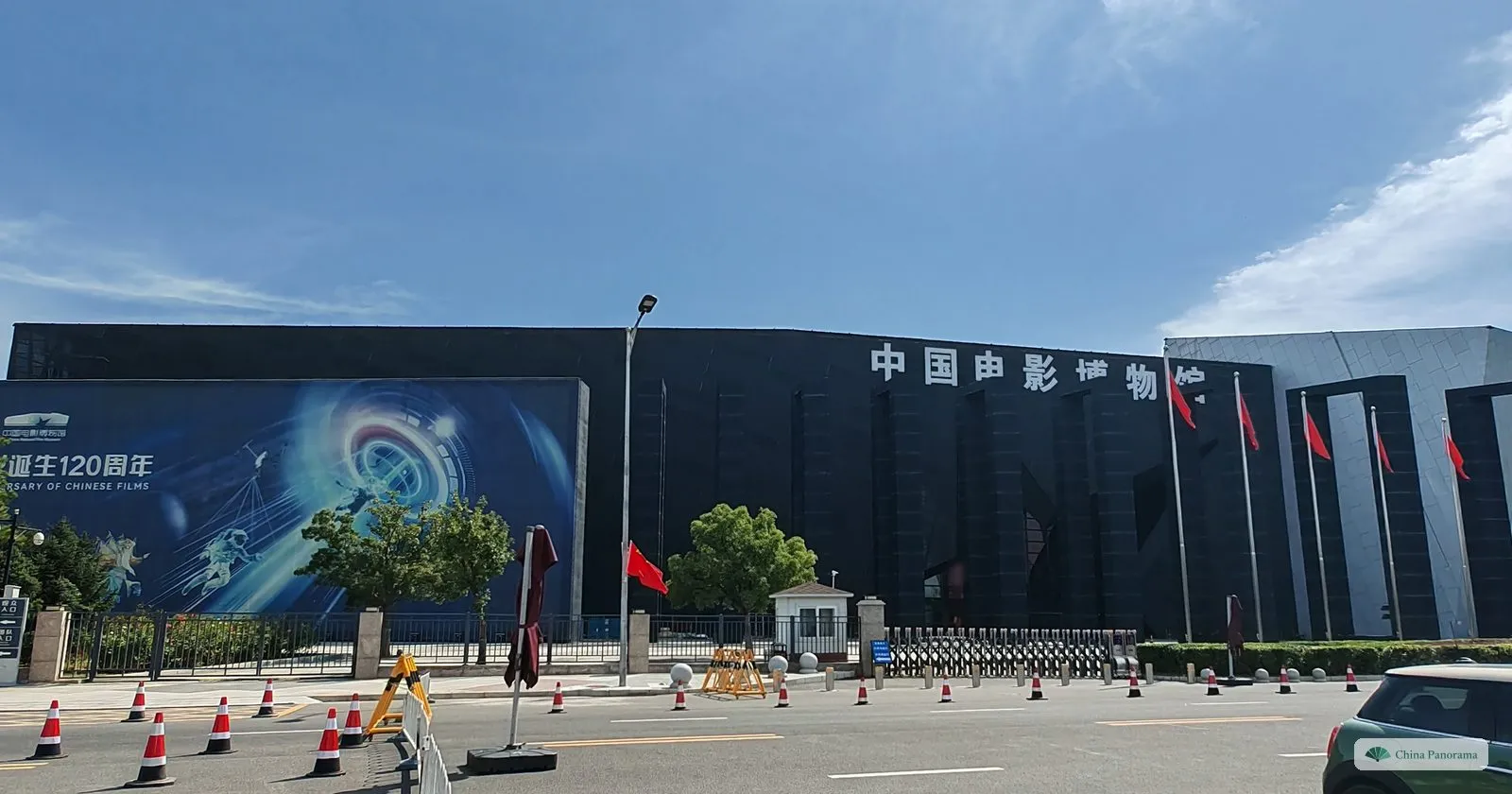
China National Film Museum
中国电影博物馆MuseumChaoyang · 朝阳区IndoorsA huge black box of a building a few minutes' drive from the Railway Museum, with galleries on the history of Chinese cinema and several cinemas, including an IMAX.
In the north-east, about 14 km from Tiananmen.
- Entry
- Price not verified — check on site
- Opening hours
- Hours not verified — check on site
Entry prices and opening hours are marked unverified where we have not checked them against an official source. We would rather show a gap than a number we made up.
Three days we actually did
Three consecutive days in late September, by car, with the clock times from our photographs. They are what we did, not an ideal plan — the notes say where we would cut.
A day by car · three stops
Nuclear Industry Museum
Taxi 28 min· 32 km
Beijing World Park
Taxi 16 min· 14.8 km
Lugou Bridge and Wanping
3 stops · 44 min by taxi
A full day by car · four stops
Garden Expo Park
Taxi 6 min· 2.2 km
Museum of Chinese Gardens
Taxi 19 min· 17.1 km
Badachu Park
Taxi 13 min· 11.5 km
China National Botanical Garden
4 stops · 38 min by taxi
A morning · two stops, or three with 798
China Railway Museum, Dongjiao
Taxi 4 min· 2 km
China National Film Museum
2 stops · 4 min by taxi
Stop by stop
South-west: a bomb, a small world and a bridge
What we did on a Tuesday in late September: the nuclear museum from 10:22 to 11:09, the World Park from 12:31 to 13:11, Lugou Bridge from 14:42 to 15:02. Start at the far end and work back towards the city.
1Nuclear Industry Museum
中国核工业科技馆Forty-five minutes is enough unless you read Chinese.
- Entry
- Not verified
- Hours
- Not verified
Taxi 28 min· 32 km
2Beijing World Park
北京世界公园Walk the loop past Europe and Asia; eat here.
- Entry
- Free until 31 Dec 2026
- Hours
- Not verified
Taxi 16 min· 14.8 km
3Lugou Bridge and Wanping
卢沟桥 · 宛平城Through the Wanping gate, down the main street and out onto the bridge.
- Entry
- Not verified
- Hours
- Not verified
* Driving times and distances are OpenStreetMap routes without traffic — allow about double in Beijing's daytime traffic. The clock times are from our own photographs and include the time spent at each stop. Stops marked with a star have prices or opening hours we have not checked.
Practical
Reservations
Beijing museums increasingly want a reservation by name, even when entry is free. What we have confirmed: Museum of Chinese Gardens and Landscape Architecture — free, booked through its official WeChat account or at the door; Beijing World Park — reservation at weekends and on public holidays. For the rest, carry your passport and expect to be asked.
Mondays
Plan museums for Tuesday to Sunday. The Garden Museum is closed on Mondays, and in September 2026 the city announced that venues which had been opening on Mondays are returning to a Monday closing day. The Railway Museum's Dongjiao hall is open Tue–Fri 09:00–16:00.
Getting around
We used a car for all of these. A ride-hailing app that takes a foreign card makes the hops between them simple; show the driver the Chinese name on each card above. For the subway, see our Beijing Subway page — we have not checked which stations serve these places.
More of Beijing
Beijing: the Forbidden City, the Central Axis, weather by month. The Great Wall: Badaling, Juyongguan and Mutianyu compared. Theme parks in China, if the World Park was your favourite.
FAQ
What are some unusual things to do in Beijing?
Count the stone lions on an 800-year-old bridge, walk between steam locomotives named after Mao Zedong and Zhu De, climb a valley of eight temples, stand in a full-size Suzhou garden built inside a museum, look at the casing of China’s first atomic bomb, or see the Eiffel Tower and the Taj Mahal in one afternoon in a 1990s miniature park. All of them are in Beijing, all are in our photographs above, and none is on a standard itinerary.
Is this for a first visit to Beijing?
No. With three or four days, spend them on the Forbidden City, the Central Axis, the Great Wall and the Temple of Heaven or the Summer Palace — see our Beijing page. These places are for a fifth day, a second trip, or for anyone living in the city.
What can I do in Beijing on a rainy or smoggy day?
Go indoors: Museum of Chinese Gardens and Landscape Architecture; China Railway Museum, Dongjiao branch; China Nuclear Industry Science and Technology Museum; National Natural History Museum of China; China National Film Museum. The Garden Museum is the best of them for a bad day, because its gardens are under a glass roof.
Which Beijing museums are open on Mondays?
Assume none. In September 2026 the city announced that parks, attractions and museums which had been opening on Mondays are going back to a Monday closing day, and the Museum of Chinese Gardens (09:00–17:00, closed Mondays) and the big museums in the centre all close then. The outdoor places on this page — Lugou Bridge, Badachu, the Botanical Garden, the Garden Expo Park — are the ones to keep for a Monday; we have not confirmed each museum’s closing day individually.
Is Beijing World Park free?
For now, yes. Entry to the park is free until 31 December 2026; the shows and rides inside cost extra. At weekends and on public holidays you have to reserve by name through the park’s official WeChat account, and on weekdays you can simply walk in.
Where is the China Railway Museum, and which branch has the trains?
The locomotives are at the Dongjiao branch in the north-east of the city, beyond the 798 Art District: Tue–Fri 09:00–16:00, longer at weekends. The Zhengyangmen branch, in the old station building next to Qianmen, has models and documents but no full-size trains.
Is Beijing Botanical Garden the same as the China National Botanical Garden?
Yes. The garden at the foot of the Fragrant Hills was renamed China National Botanical Garden in 2022. Signs at the gate carry the new name, 国家植物园; taxi drivers and most maps know both.
Why is Lugou Bridge called Marco Polo Bridge?
Because Marco Polo described it in his account of China in the thirteenth century, praising its arches and its stone lions, and European travellers named it after him. In Chinese it is Lugou Qiao, 卢沟桥. It is also where the fighting of 7 July 1937 broke out that began the full-scale war between China and Japan.
How do I get to these places?
Mostly by taxi or ride-hailing car: they lie 14 to 35 km from the centre, in the west, south-west and north-east, and we went to all of them by car. Several can be reached by subway and a walk, but we have not checked the stations, so we do not name them. The map above shows which ones lie close enough together for one day.
Sources and status
All photographs on this page are ours, most of them from 23–25 September 2025; Grand View Garden and the Natural History Museum are from an earlier visit. Faces of passers-by have been blurred. Driving times and distances: OpenStreetMap routing, 30 September 2026. Data sources: Museum of Chinese Gardens and Landscape Architecture: hours and booking (Visit Beijing); China Railway Museum: branches and hours (China Daily government portal); Beijing World Park: free entry extended to 31 December 2026 (Beijing Daily, 16 Sept 2026); Beijing parks, attractions and museums resume Monday closures (Beijing municipal government, Sept 2026).
Changelog (1)
- 2026-09-30Page created, with our own photographs. Garden Museum hours and booking, Railway Museum weekday hours and the World Park’s free-entry period checked on this date; other prices and hours not yet verified.