
- In short
- The Monkey’s quick mind meets the drive of the 1. Wants to be out in front, loves starting new things and goes its own way.
- Talents
- Has ideas and acts on them at once, decides fast and finds solutions nobody else thought of.
- In love
- Wins hearts with charm and wit and likes to set the pace. Has to learn to listen and sometimes let the other one lead.
- At work
- Start-ups, sales, project lead, media, anything with room for your own ideas.
Last verified: 11 Nov 2026
Chinese zodiac Monkey: meaning, personality, years and the Year of the Monkey 2028
The Monkey 猴 hóu is the ninth of the twelve animals of the Chinese zodiac. It is seen as clever, curious, playful and inventive, and in Sun Wukong, the Monkey King of Journey to the West, it has the most famous hero of Chinese literature. The next Year of the Monkey begins on 26 January 2028: an Earth Monkey year that lasts until 12 February 2029. Below you will find every Monkey year, the five Monkeys by element, the famous Monkey stamp of 1980 and a little sum game with your life number.
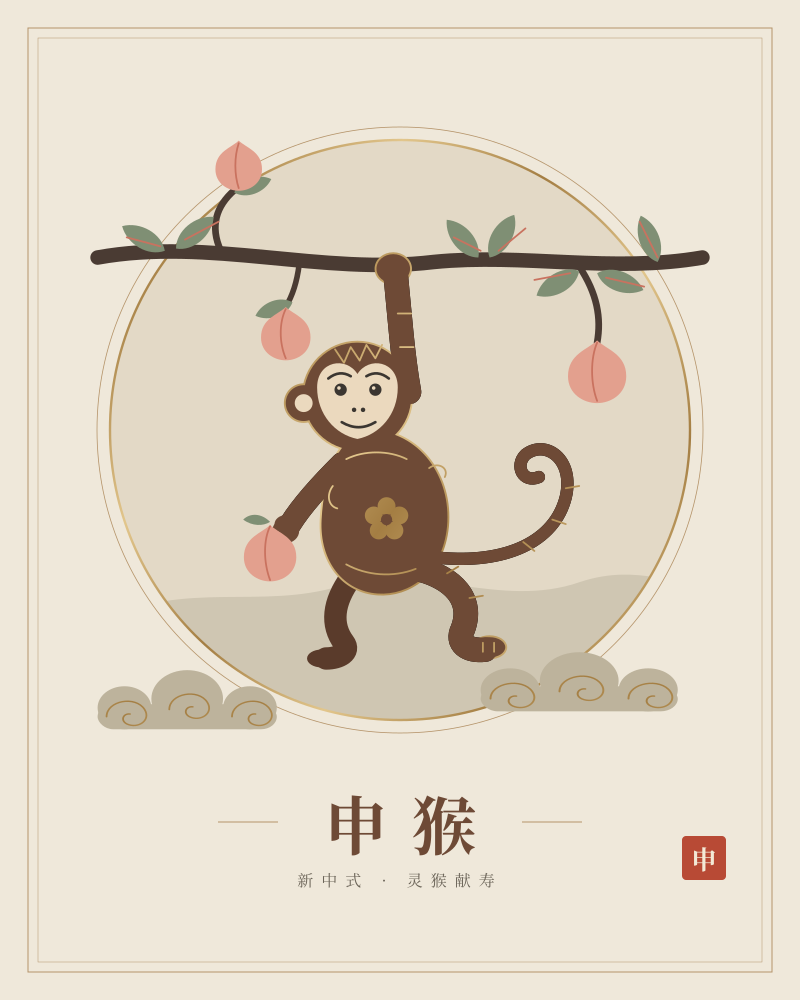
Profile: the Monkey in the Chinese zodiac
- Character
- 猴 hóu
- Earthly branch
- 申 shēn, 9th of 12
- Double hour
- 3 pm to 5 pm
- Direction
- West-southwest
- Element of the branch
- Metal
- Month
- Early August to early September
- Best matches
- Rat, Dragon, Snake
- Opposite
- Tiger
Each of the twelve earthly branches has an animal. The Monkey has the branch 申 shēn, which stands for late afternoon and the start of autumn. It belongs to the element Metal, and the hours from 3 to 5 pm are still called 申时 shēnshí. Why the animal of your year has nothing to do with your Western star sign is explained in the comparison of the Chinese and Western zodiacs.
Meaning and personality of the Monkey sign
What people in China say about the Monkey comes from how they picture the animal: the cheeky, resourceful Monkey King Sun Wukong, who never sits still, and the pun 猴 hóu, monkey, like 侯 hóu, marquis, which makes the Monkey a sign of promotion and success. Folk belief, not a personality test, but it explains why Chinese parents like to think of a “monkey child” as especially bright.
Strengths
- clever, learns fast and remembers a lot
- quick-witted and funny, makes people laugh
- curious, with wide interests
- inventive, finds a way out of any problem
- sociable and adaptable
Weaknesses
- impatient, wants everything now
- gets bored quickly and leaves things half done
- a little vain
- sometimes too clever for its own good, plays jokes at others’ expense
The Monkey in love
In love the Monkey is seen as charming, playful and entertaining. It falls in love quickly but needs variety and a partner who can keep up. Boredom is the real danger. By the classical rules the Rat and the Dragon suit it best, and the Tiger is its opposite. All twelve animals compared are further down.
Years of the Monkey from 1932 to 2040
The Chinese year does not begin on 1 January but at the New Year festival, between 21 January and 20 February. If you were born in January or February of a Monkey year, check the exact dates: before New Year it is still the Goat.
| Year | Begins | Ends | Monkey | Stem and branch |
|---|---|---|---|---|
| 1932 | 6 February 1932 | 25 January 1933 | Water Monkey | 壬申 |
| 1944 | 25 January 1944 | 12 February 1945 | Wood Monkey | 甲申 |
| 1956 | 12 February 1956 | 30 January 1957 | Fire Monkey | 丙申 |
| 1968 | 30 January 1968 | 16 February 1969 | Earth Monkey | 戊申 |
| 1980 | 16 February 1980 | 4 February 1981 | Metal Monkey | 庚申 |
| 1992 | 4 February 1992 | 22 January 1993 | Water Monkey | 壬申 |
| 2004 | 22 January 2004 | 8 February 2005 | Wood Monkey | 甲申 |
| 2016 | 8 February 2016 | 27 January 2017 | Fire Monkey | 丙申 |
| 2028next | 26 January 2028 | 12 February 2029 | Earth Monkey | 戊申 |
| 2040 | 12 February 2040 | 31 January 2041 | Metal Monkey | 庚申 |
New Year dates in China time, each checked against the astronomical new moon. All the other animals and a finder for any birthday from 1924 are in the overview of the twelve Chinese zodiac signs.
The five Monkeys: Metal Monkey 1980, Water Monkey 1992, Wood Monkey 2004, Fire Monkey 2016, Earth Monkey 2028
The same Monkey returns every 60 years, because the twelve animals are paired with ten heavenly stems that give each year an element. So there are five kinds of Monkey. You can tell the element from the last digit of the year: 0 Metal, 2 Water, 4 Wood, 6 Fire, 8 Earth. How the elements work together is explained on the page about the five elements.
 木猴Wood Monkey1944 · 2004
- Stem and branch:
- 甲申
- How stem and branch get on:
- 金木相战, wood over metal: metal cuts wood
- Nayin:
- 泉中水 quán zhōng shuǐ, “water in the spring” (Water)
- Colour of the element:
- 青 blue-green
 火猴Fire Monkey1956 · 2016
- Stem and branch:
- 丙申
- How stem and branch get on:
- 火金相克, fire over metal: fire melts metal
- Nayin:
- 山下火 shān xià huǒ, “fire at the foot of the mountain” (Fire)
- Colour of the element:
- 赤 red
 土猴Earth Monkey1908 · 1968 · 2028
- Stem and branch:
- 戊申
- How stem and branch get on:
- 土金相生, earth over metal: earth feeds metal
- Nayin:
- 大驿土 dà yì tǔ, “earth of the great post road” (Earth)
- Colour of the element:
- 黄 yellow
 金猴Metal Monkey1920 · 1980 · 2040
- Stem and branch:
- 庚申
- How stem and branch get on:
- 金旺, metal over metal: twice as strong
- Nayin:
- 石榴木 shí liú mù, “pomegranate wood” (Wood)
- Colour of the element:
- 白 white
 水猴Water Monkey1932 · 1992
- Stem and branch:
- 壬申
- How stem and branch get on:
- 金水相生, water over metal: metal feeds water
- Nayin:
- 剑锋金 jiàn fēng jīn, “metal of the sword’s edge” (Metal)
- Colour of the element:
- 黑 black
The branch 申 is Metal itself. So Chinese horoscope charts look at how the element of the year fits it: with the Earth Monkey, earth feeds metal, which counts as harmonious, with the Wood Monkey, metal cuts wood, and with the Metal Monkey the metal is twice as strong. Charts often add a second element, the nayin 纳音 nàyīn. It comes from the fortune tellers’ lore of the 60 pairs and has picturesque names such as “pomegranate wood”. But when people in China talk about a Metal Monkey, they almost always mean the element of the heavenly stem, the one in the table above. Healing crystals and “lucky colours” for each Monkey, which you will also see a lot, are a modern sales invention.
Year of the Monkey 2028: the Earth Monkey and the “month of the Horse”
What colour is the Year of the Monkey 2028?
Yellow. Every year gets an element from its heavenly stem. In 2028 it is 戊 wù, yang Earth, and in the five elements Earth is yellow 黄 huáng. Because earth feeds the metal of the branch 申, 戊申 counts as a well-matched pair. The last Monkey, in 2016, was a Fire Monkey and so red. Other “lucky colours” for 2028 that you find online differ from site to site.
“In the year of the Monkey, in the month of the Horse” 猴年马月
Promise something in China for 猴年马月 and you mean “never”. In 2028 you can be taken at your word: by the solar terms that Chinese calendars use to count horoscope months, the Horse month 午月 runs from 5 June to 6 July 2028. The next one comes in 2040.
If you are a Monkey yourself, 2028 is your own year, your 本命年 běnmìngnián. That means everyone who turns 12, 24, 36, 48, 60, 72 or 84 in 2028. Your own year is traditionally seen as a tricky one, so many Monkeys wear something red from 26 January 2028 to 12 February 2029: red socks, red underwear or a red bracelet, ideally a present from a partner or parent. How the New Year festival works is on the page about Chinese New Year 2027.
Game: what does your life number say about you as a Monkey?
On Chinese social media you will find charts that combine the Monkey with the life number 生命数字 shēngmìng shùzì: nine types of Monkey with talents, love and career. Here is how to work out your number: add up all the digits of your birthday until only one is left. For 15 February 1993 that is 1 + 9 + 9 + 3 + 2 + 1 + 5 = 30, then 3 + 0 = 3. Try it with your own birthday:
✓ A Monkey. Born in the Year of the Metal Monkey 庚申, which began on 16 February 1980.
Play along: add up all the digits until only one is left
- Step 1:1980082735
- Step 2:358
Your life number is 8.
See another number:
- In short
- The Monkey’s sociable side meets the 2’s sense of harmony. Diplomatic, attentive and happiest among people.
- Talents
- Reads people quickly, negotiates well and brings together those who would otherwise never talk.
- In love
- Tender and attentive, needs closeness and reassurance. Sometimes puts its own wishes too far back.
- At work
- Human resources, negotiation, customer care, interpreting, mediation.
- In short
- The Monkey’s playfulness meets the 3’s gift of expression. Witty, creative and fond of the limelight.
- Talents
- Tells stories, writes and performs, makes people laugh and always has several ideas on the go.
- In love
- Charming, funny and full of surprises. Gets restless quickly once routine creeps in.
- At work
- Media, advertising, the stage, social media, teaching.
- In short
- The Monkey’s agility meets the thoroughness of the 4. Quick-witted, yet with a sense for rules and order.
- Talents
- Excellent at planning and organising, brings order to tangled tasks and sees them through step by step.
- In love
- Takes love seriously and wants a steady, lasting relationship. Does a lot for the family without making a fuss: a reliable partner.
- At work
- Finance, administration, project management, work that needs order and stability.
- In short
- The Monkey’s love of freedom meets the 5’s thirst for adventure. Free-spirited, bold about the unknown and out for intense experiences.
- Talents
- Has a keen nose for trends, adapts in a flash and grabs a chance before it is gone.
- In love
- Needs lots of space and hates being tied down, loves adventure and thrills in a relationship. If it gets too tight, would rather leave.
- At work
- Tourism, outdoor sports, freelancing, varied work with a challenge.
- In short
- The Monkey’s cleverness meets the 6’s sense of duty. Kind-hearted and responsible, looks after family and friends and values a good life.
- Talents
- Solves problems precisely and notices at once what others need. Helps without being asked.
- In love
- Gives everything and looks after the partner down to the last detail. Sometimes wears itself out, and the wish to keep everything under control can strain the relationship.
- At work
- Medicine, education, care for the elderly, charity work, jobs with heart and responsibility.
- In short
- The Monkey’s liveliness meets the 7’s search for insight. Curious, likes to dig deep and understands things thoroughly.
- Talents
- Strong at analysis and research, sees through the surface to the core and reaches insights of its own.
- In love
- Rather rational, looks for a meeting of minds and sets high standards. Wants someone who understands its inner world.
- At work
- Research, education, consulting, law, fields that need deep thought and expertise.
- In short
- The Monkey’s wit meets the 8’s leadership and business sense. Clear goals, lots of ambition and the wish for real success.
- Talents
- Has a head for business and can organise and lead. Spots opportunities precisely and takes a team to strong results.
- In love
- Career often comes first, but wants a supportive partner to build a better life together. Expects a lot from the partner too.
- At work
- Management, finance and investment, marketing, competitive industries.
- In short
- The Monkey’s intelligence meets the big heart of the 9. Thinks of the whole world, compassionate, helpful and full of ideals.
- Talents
- Has charisma and fresh ideas, rallies people around a goal and wants to make a difference in society.
- In love
- Looks for a soulmate and wants to make the world a little better together. Faithful, with deep feelings.
- At work
- Charity work, environmental protection, cultural exchange, work that matters to society.
A game from Chinese social media, not a prediction. Where the life number comes from is explained below.
Where does the life number come from?
Not from China. The life number belongs to Western numerology, which claims the Greek philosopher Pythagoras as its father and became popular mainly in the 20th century. Chinese platforms have mixed it with the zodiac, much as Western horoscope books combine your animal with your star sign. Ancient Chinese number lore, such as the Hetu diagram 河图 on the five elements page, works quite differently. Take the texts as a game, not a forecast. The same game exists for the Rat, Ox, Tiger, Rabbit, Dragon, Snake, Horse, Goat, Rooster, Dog and Pig.
All nine life numbers for the Monkey at a glance
1The trailblazer
- In short:
- The Monkey’s quick mind meets the drive of the 1. Wants to be out in front, loves starting new things and goes its own way.
- Talents:
- Has ideas and acts on them at once, decides fast and finds solutions nobody else thought of.
- In love:
- Wins hearts with charm and wit and likes to set the pace. Has to learn to listen and sometimes let the other one lead.
- At work:
- Start-ups, sales, project lead, media, anything with room for your own ideas.
2The go-between
- In short:
- The Monkey’s sociable side meets the 2’s sense of harmony. Diplomatic, attentive and happiest among people.
- Talents:
- Reads people quickly, negotiates well and brings together those who would otherwise never talk.
- In love:
- Tender and attentive, needs closeness and reassurance. Sometimes puts its own wishes too far back.
- At work:
- Human resources, negotiation, customer care, interpreting, mediation.
3The entertainer
- In short:
- The Monkey’s playfulness meets the 3’s gift of expression. Witty, creative and fond of the limelight.
- Talents:
- Tells stories, writes and performs, makes people laugh and always has several ideas on the go.
- In love:
- Charming, funny and full of surprises. Gets restless quickly once routine creeps in.
- At work:
- Media, advertising, the stage, social media, teaching.
4The organiser
- In short:
- The Monkey’s agility meets the thoroughness of the 4. Quick-witted, yet with a sense for rules and order.
- Talents:
- Excellent at planning and organising, brings order to tangled tasks and sees them through step by step.
- In love:
- Takes love seriously and wants a steady, lasting relationship. Does a lot for the family without making a fuss: a reliable partner.
- At work:
- Finance, administration, project management, work that needs order and stability.
5The adventurer
- In short:
- The Monkey’s love of freedom meets the 5’s thirst for adventure. Free-spirited, bold about the unknown and out for intense experiences.
- Talents:
- Has a keen nose for trends, adapts in a flash and grabs a chance before it is gone.
- In love:
- Needs lots of space and hates being tied down, loves adventure and thrills in a relationship. If it gets too tight, would rather leave.
- At work:
- Tourism, outdoor sports, freelancing, varied work with a challenge.
6The carer
- In short:
- The Monkey’s cleverness meets the 6’s sense of duty. Kind-hearted and responsible, looks after family and friends and values a good life.
- Talents:
- Solves problems precisely and notices at once what others need. Helps without being asked.
- In love:
- Gives everything and looks after the partner down to the last detail. Sometimes wears itself out, and the wish to keep everything under control can strain the relationship.
- At work:
- Medicine, education, care for the elderly, charity work, jobs with heart and responsibility.
7The researcher
- In short:
- The Monkey’s liveliness meets the 7’s search for insight. Curious, likes to dig deep and understands things thoroughly.
- Talents:
- Strong at analysis and research, sees through the surface to the core and reaches insights of its own.
- In love:
- Rather rational, looks for a meeting of minds and sets high standards. Wants someone who understands its inner world.
- At work:
- Research, education, consulting, law, fields that need deep thought and expertise.
8The achiever
- In short:
- The Monkey’s wit meets the 8’s leadership and business sense. Clear goals, lots of ambition and the wish for real success.
- Talents:
- Has a head for business and can organise and lead. Spots opportunities precisely and takes a team to strong results.
- In love:
- Career often comes first, but wants a supportive partner to build a better life together. Expects a lot from the partner too.
- At work:
- Management, finance and investment, marketing, competitive industries.
9The idealist
- In short:
- The Monkey’s intelligence meets the big heart of the 9. Thinks of the whole world, compassionate, helpful and full of ideals.
- Talents:
- Has charisma and fresh ideas, rallies people around a goal and wants to make a difference in society.
- In love:
- Looks for a soulmate and wants to make the world a little better together. Faithful, with deep feelings.
- At work:
- Charity work, environmental protection, cultural exchange, work that matters to society.
The texts for 4, 5, 6, 7, 8, 9 retell a widely shared Chinese chart in our own words. For 1, 2, 3 we wrote texts in the same style from the usual meaning of the numbers.
Monkey compatibility: which signs match the Monkey?
The classical rules derive this from where the animals stand in the circle. Rat, Dragon and Monkey form a triangle 三合 sānhé, Snake and Monkey a pair 六合 liùhé. Yet the Snake is also linked to the Monkey by a punishment 刑 and a break 破, so it is a match with friction. The Tiger stands right opposite the Monkey. An old folk rhyme warns about the Pig:
猪遇猿猴似箭投
“When the Pig meets the Monkey, it is like an arrow let fly.”
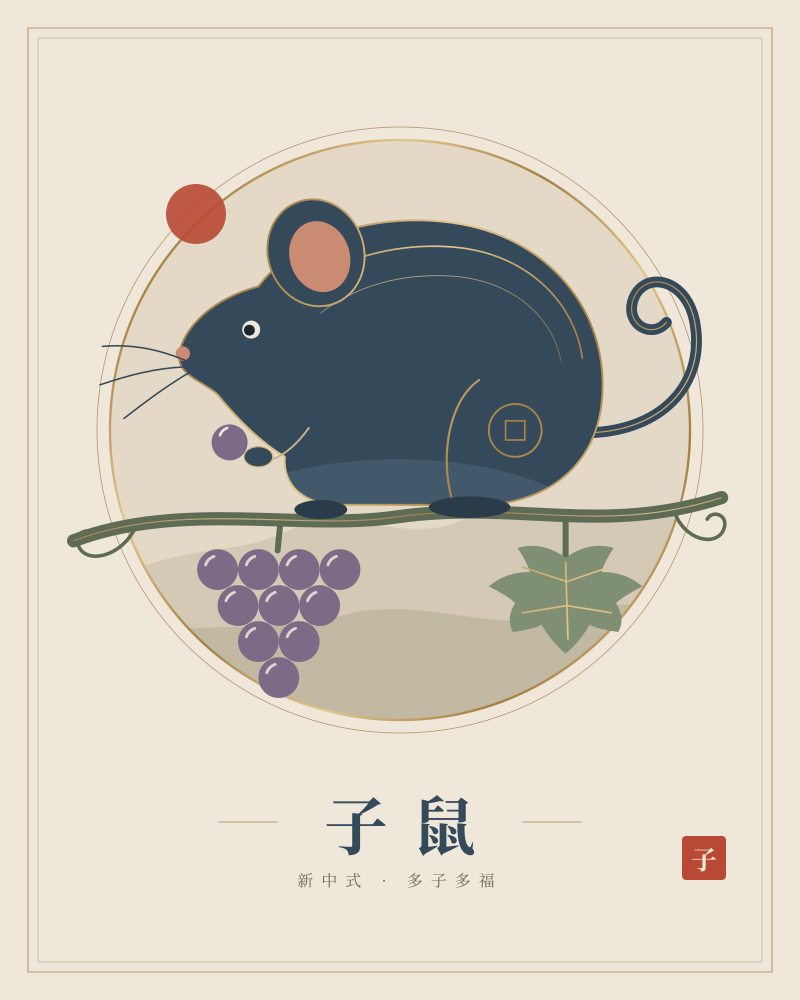 Rat 鼠Good match (三合 sānhé)
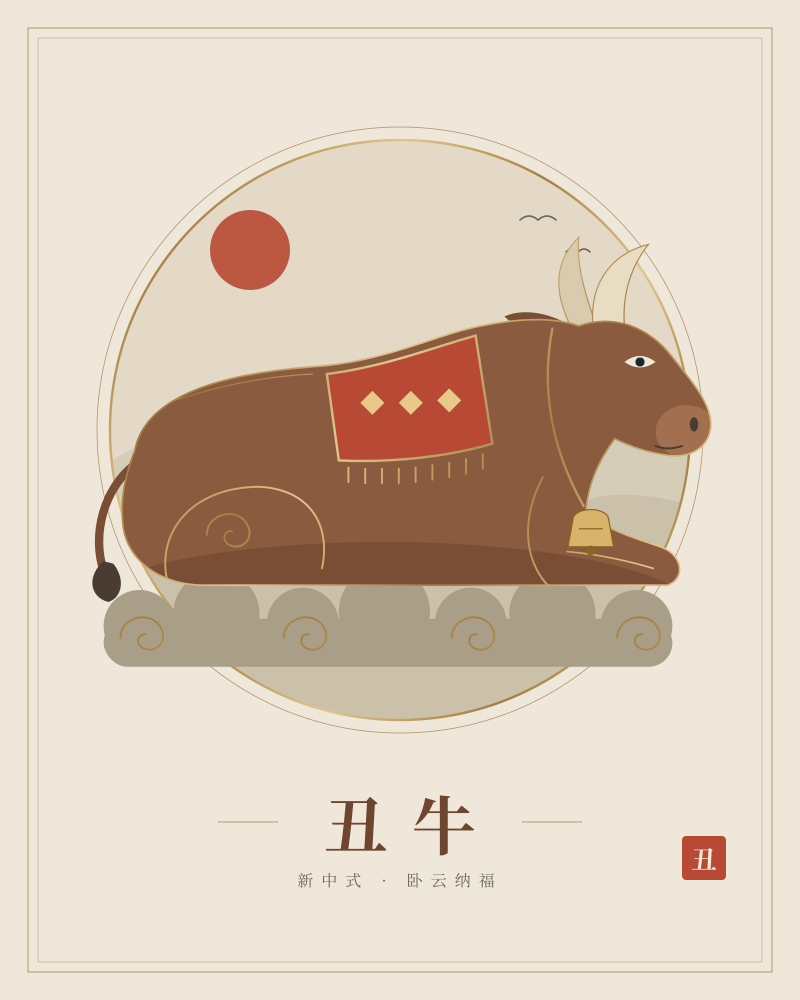 Ox 牛Neutral
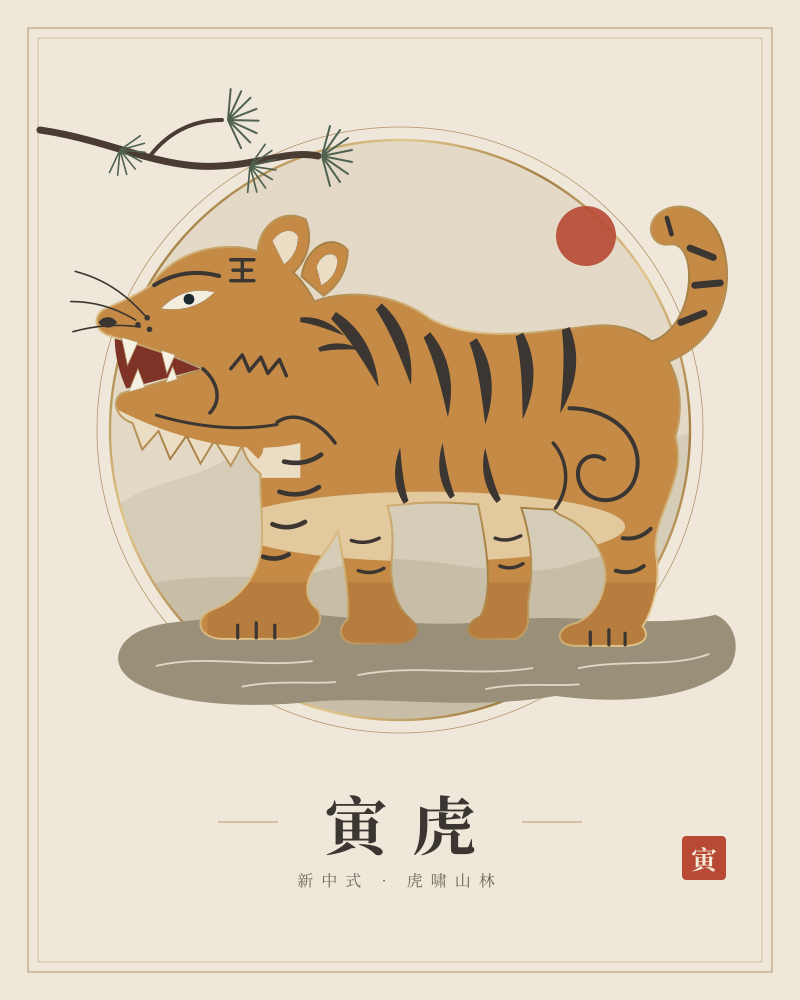 Tiger 虎Clash (冲 chōng, 刑 xíng)
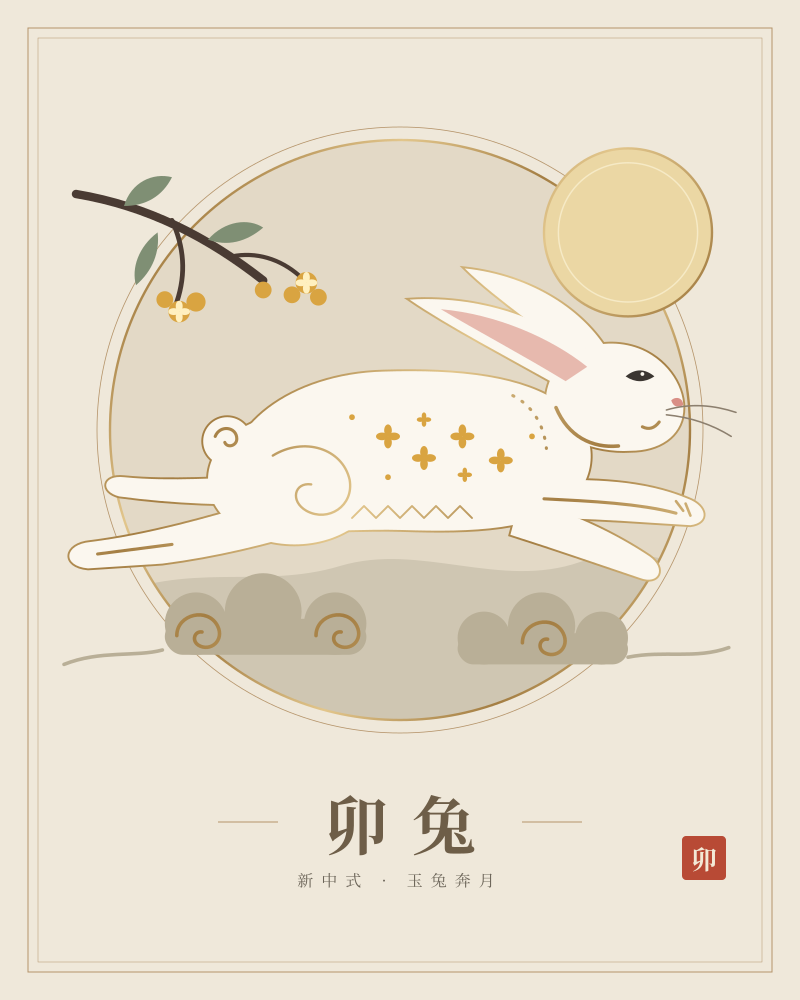 Rabbit 兔Neutral
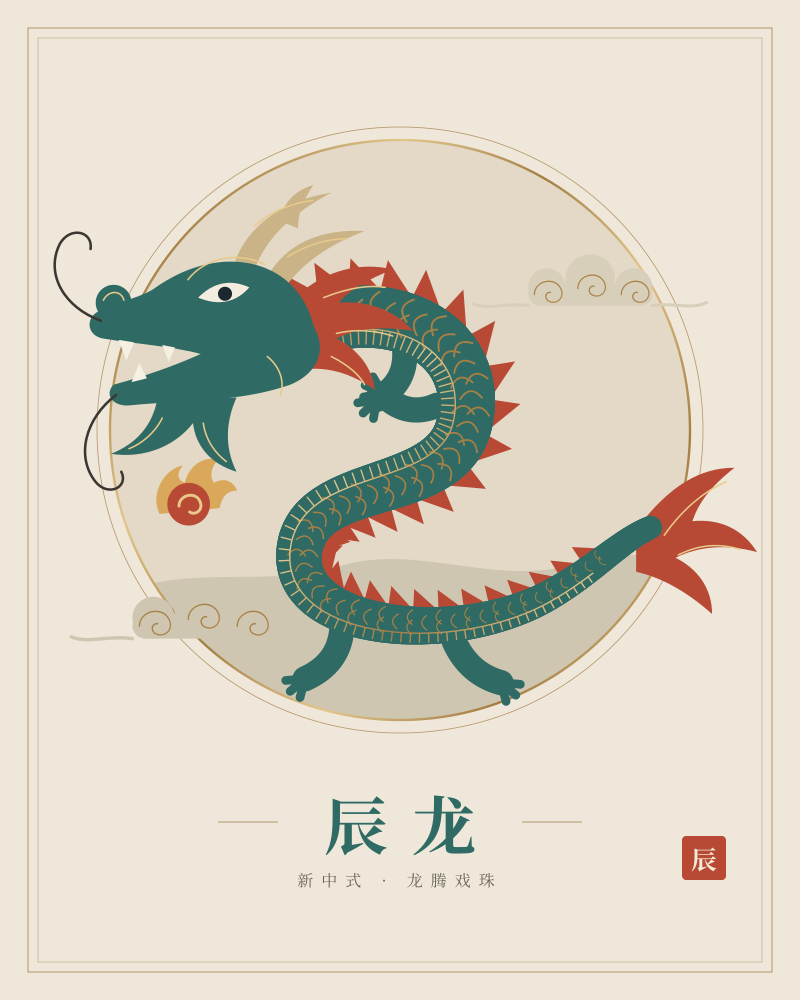 Dragon 龙Good match (三合 sānhé)
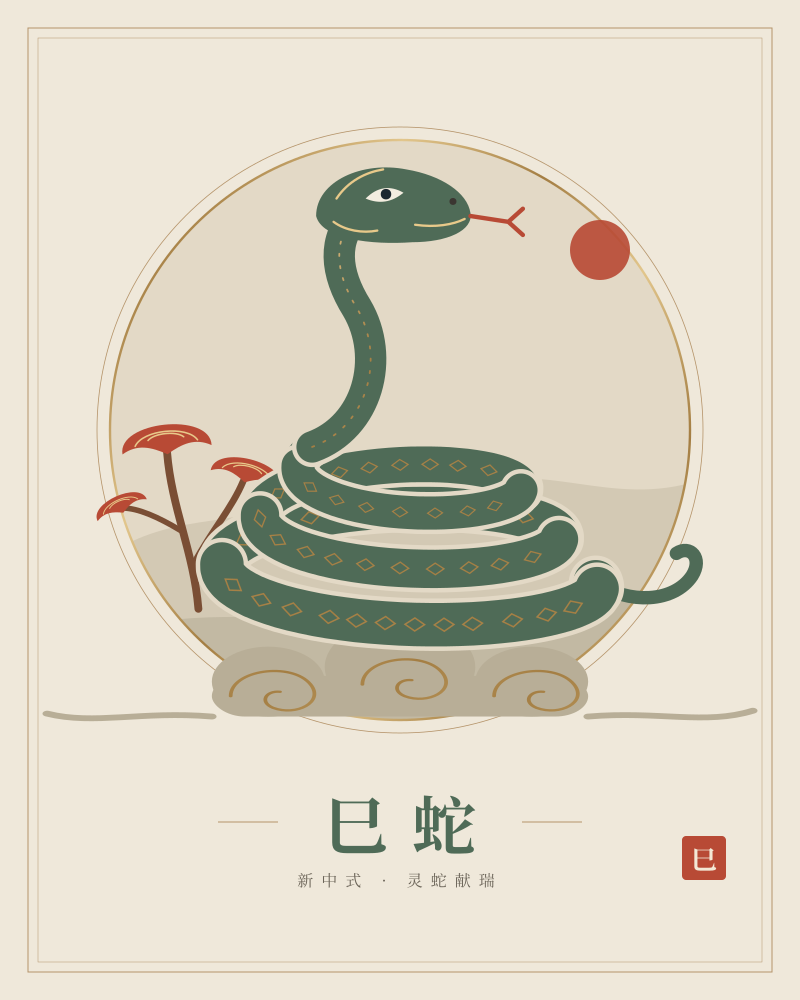 Snake 蛇Good match (六合 liùhé)
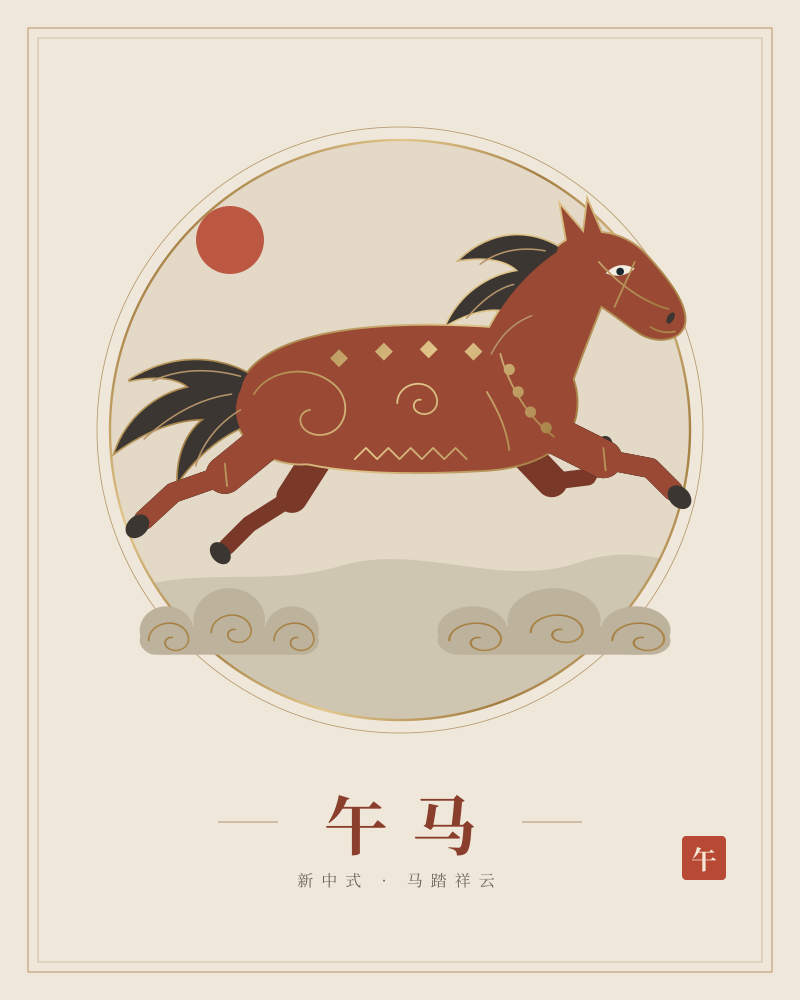 Horse 马Neutral
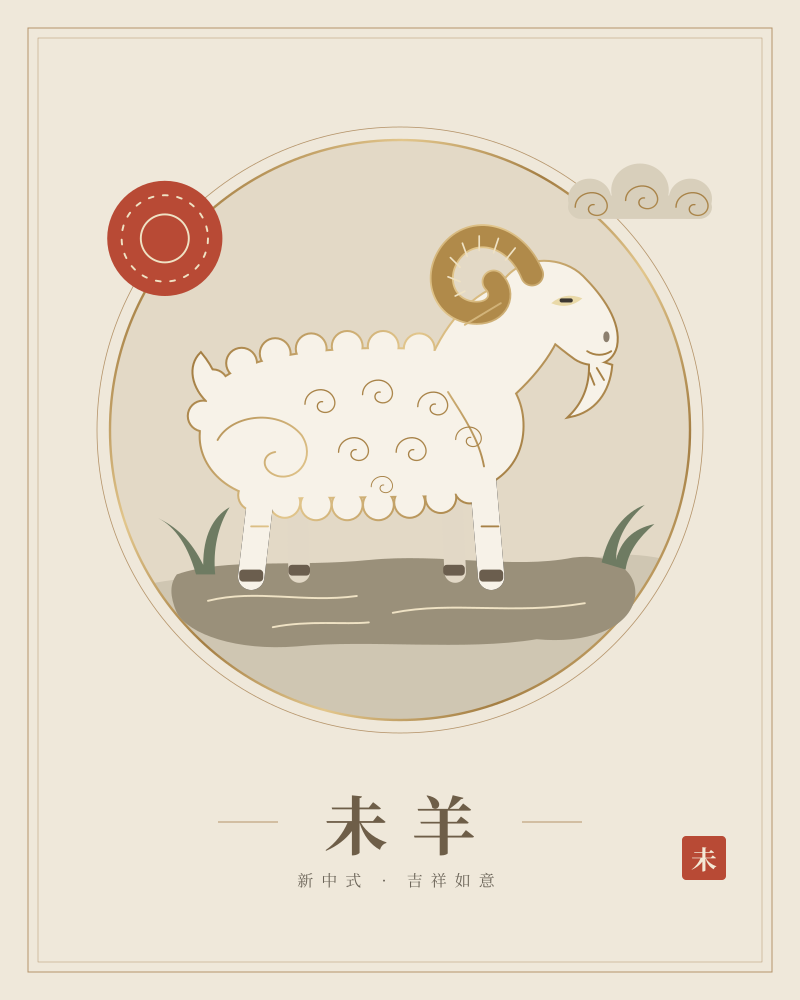 Goat 羊Neutral
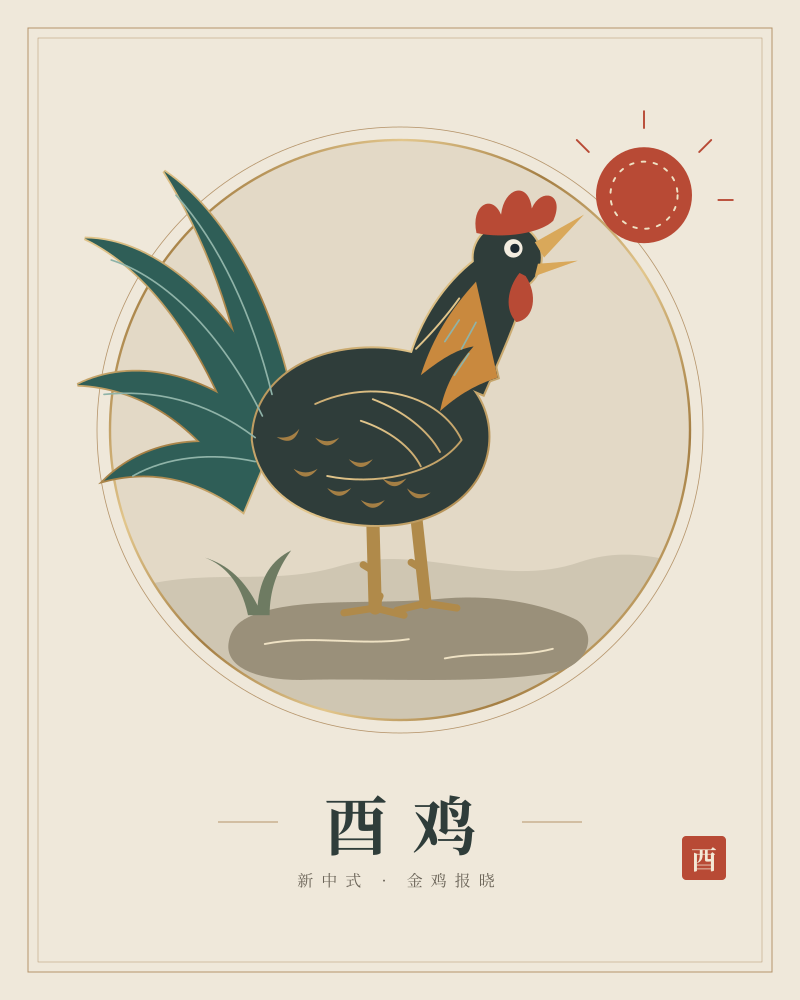 Rooster 鸡Neutral
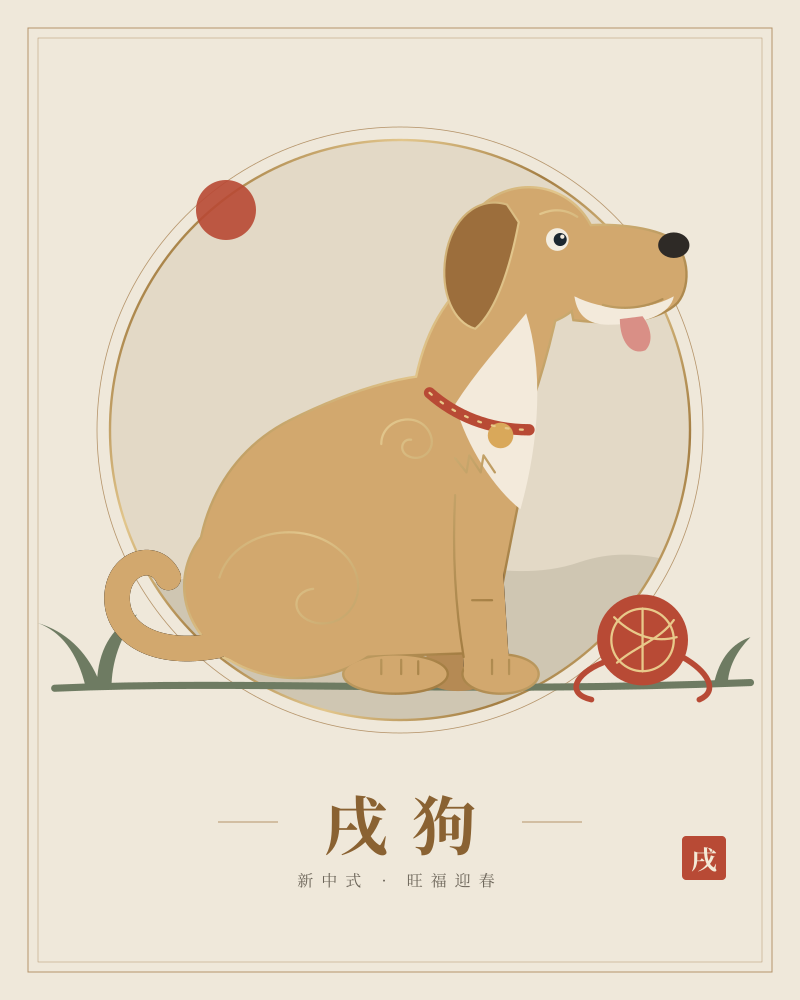 Dog 狗Neutral
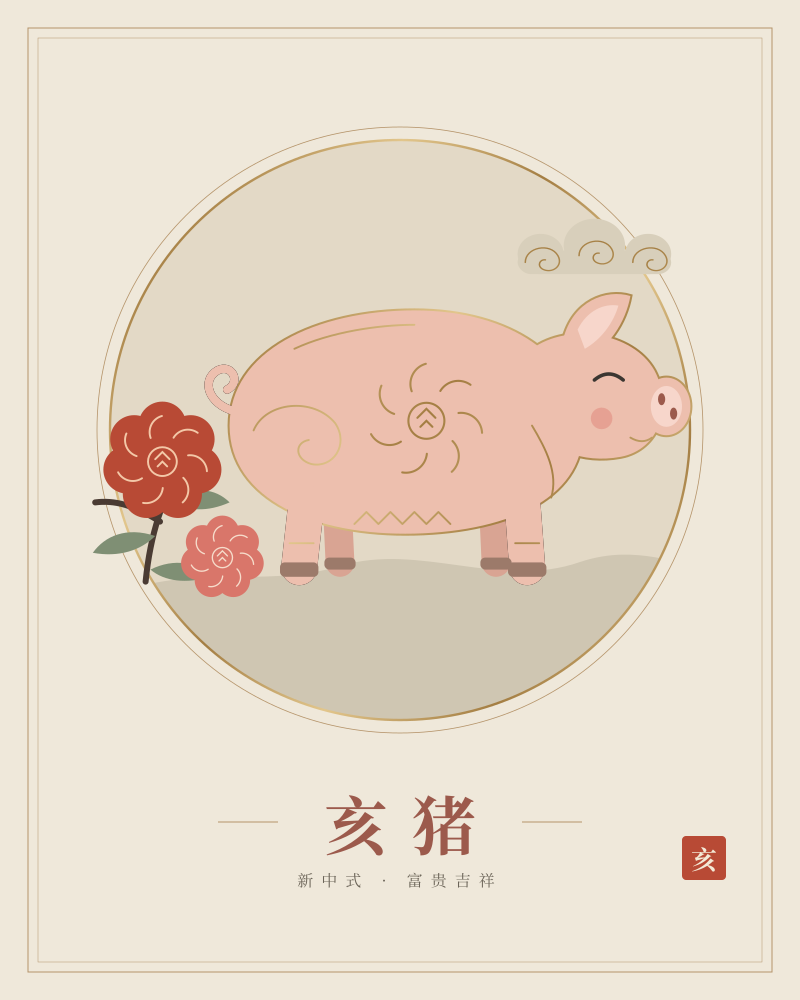 Pig 猪Friction (害 hài)
Tradition, not a forecast. Some families in China still ask about it when planning a wedding, most couples take it lightly.
The Monkey in ancient China: pun, stable guard, hero of a novel
Monkeys live in many of China’s mountain forests, and the Chinese have always credited them with a lot. Four ideas still shape how people in China see the Monkey:
- 封侯A monkey for your career
- 猴 hóu, monkey, sounds like 侯 hóu, marquis, a high noble rank. That is why on lucky pictures the monkey stands for promotion and office: a monkey on a horse 马上封侯, a monkey on another monkey’s back 辈辈封侯, “a marquis in every generation”, or a monkey hanging an official seal in a tree 挂印封侯. You will see one such piece just below.
- 马坊The monkey in the stable
- The farming manual Qimin yaoshu from the 6th century quotes the advice to keep a macaque tied up in the horse stable. It makes the horses fearless and keeps disease away. In Journey to the West, of all the jobs in heaven, the Monkey King is made keeper of the stables, 弼马温.
- 孙悟空The Monkey King
- Sun Wukong is born from a stone, learns 72 transformations, turns heaven upside down and then escorts the monk Xuanzang on his pilgrimage to India. The novel Journey to the West 西游记 came out in 1592 and is attributed to Wu Cheng’en. No other hero of Chinese literature is as loved.
- 猿声The call of the gibbons
- In poetry the gibbon 猿 yuán has a place of its own next to the monkey 猴. Its call was heard as mournful and followed travellers through the Three Gorges of the Yangtze. Li Bai wrote around 759: “On both banks the gibbons call without end, and my light boat has already passed ten thousand hills” 两岸猿声啼不住,轻舟已过万重山.
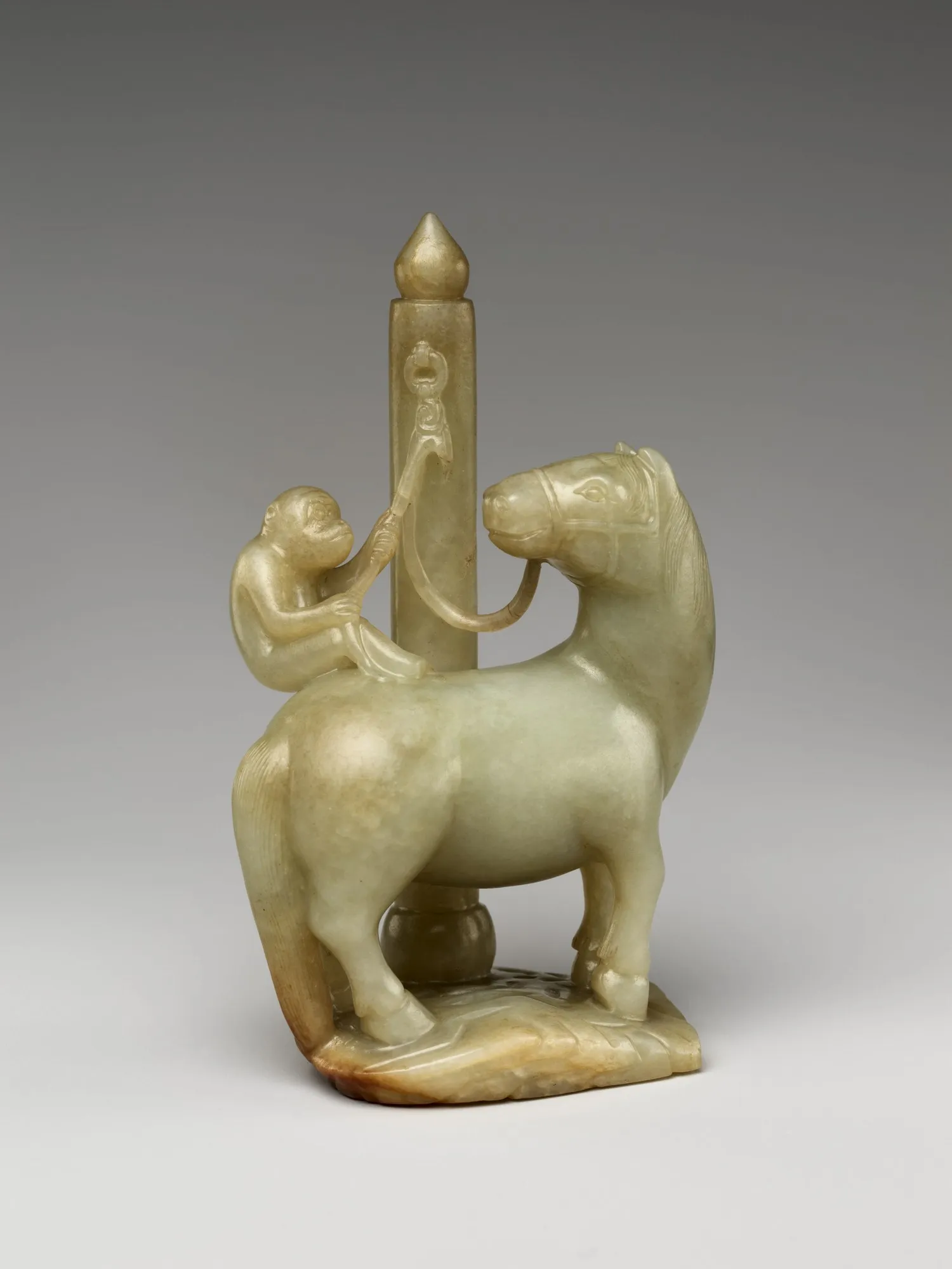
Luck as a pun: the monkey on the horse 马上封侯
This figure in pale green jade is barely 13 centimetres tall and was carved in the 17th century, at the end of the Ming dynasty. A horse stands by a tall post, tied to it by the rein, and turns its head back. On its back sits a small monkey holding a ribbon that hangs from a ring at the top of the post. On the base, brownish patches of the stone have been left in place.
The figure reads like a rebus. 马上 mǎshàng means “on horseback” and also “at once”. 猴 hóu, monkey, sounds like 侯 hóu, marquis. Together that makes 马上封侯 mǎshàng fēng hóu: “may you be made a marquis at once”, in other words a quick rise in the imperial service. A fitting wish for a scholar before the civil service exams, and a nice reminder of the old stable monkey. More about horses on the Chinese zodiac Horse page.
Horse and monkey, China, Ming dynasty, 17th century. Jade (nephrite), 12.7 × 7.6 × 5.1 cm. The Metropolitan Museum of Art, New York, Bequest of Mary Stillman Harkness, 1950, 50.145.123, public domain (CC0).
The Monkey in the Chinese language: eight idioms
Sometimes clever, sometimes vain, sometimes just fidgety: in idioms the Monkey rarely comes off well. Every child in China knows the first one.
猴年马月
hóu nián mǎ yuè · In the year of the Monkey, in the month of the Horse.
Some day, so probably never: when pigs fly. Yet the month really comes round every twelve years, see above.
心猿意马
xīn yuán yì mǎ · The heart a monkey, the mind a horse.
Restless, distracted, unable to focus. An image from Buddhism and Daoism. That is why Journey to the West calls Sun Wukong the “mind monkey” and the monk’s white horse the “will horse”.
朝三暮四
zhāo sān mù sì · Three in the morning, four in the evening.
From the Zhuangzi: a monkey keeper offers three chestnuts in the morning and four in the evening, and the monkeys rage. Four in the morning and three in the evening, and they are all happy. Today it usually means fickle, always changing one’s mind.
杀鸡儆猴
shā jī jǐng hóu · Kill the chicken to warn the monkey.
Make an example of someone so that the others take note.
猴子捞月
hóu zi lāo yuè · Monkeys fishing the moon out of the well.
A wasted effort. From a Buddhist tale: monkeys form a chain to scoop the moon from the water until the branch breaks.
沐猴而冠
mù hóu ér guàn · A washed monkey in a hat.
An upstart who only looks the part. From the Records of the Grand Historian, about Xiang Yu, who after his victory wanted to go home to the east rather than stay in the old capital.
树倒猢狲散
shù dǎo hú sūn sàn · When the tree falls, the monkeys scatter.
When the boss falls, the hangers-on disappear.
山中无老虎,猴子称大王
shān zhōng wú lǎo hǔ, hóu zi chēng dà wáng · With no tiger on the mountain, the monkey crowns itself king.
In the land of the blind, the one-eyed man is king.
Monkeys on Chinese stamps: the 1980 Monkey
It all began with the Monkey: on 15 February 1980 China Post issued its first zodiac stamp, and a new one has come out before every New Year since. Because the series started with the Monkey, the Monkey opens every twelve-year round: 1980 庚申年, 1992 壬申年, 2004 甲申年, 2016 丙申年. The fifth round begins in 2028 with the Earth Monkey.
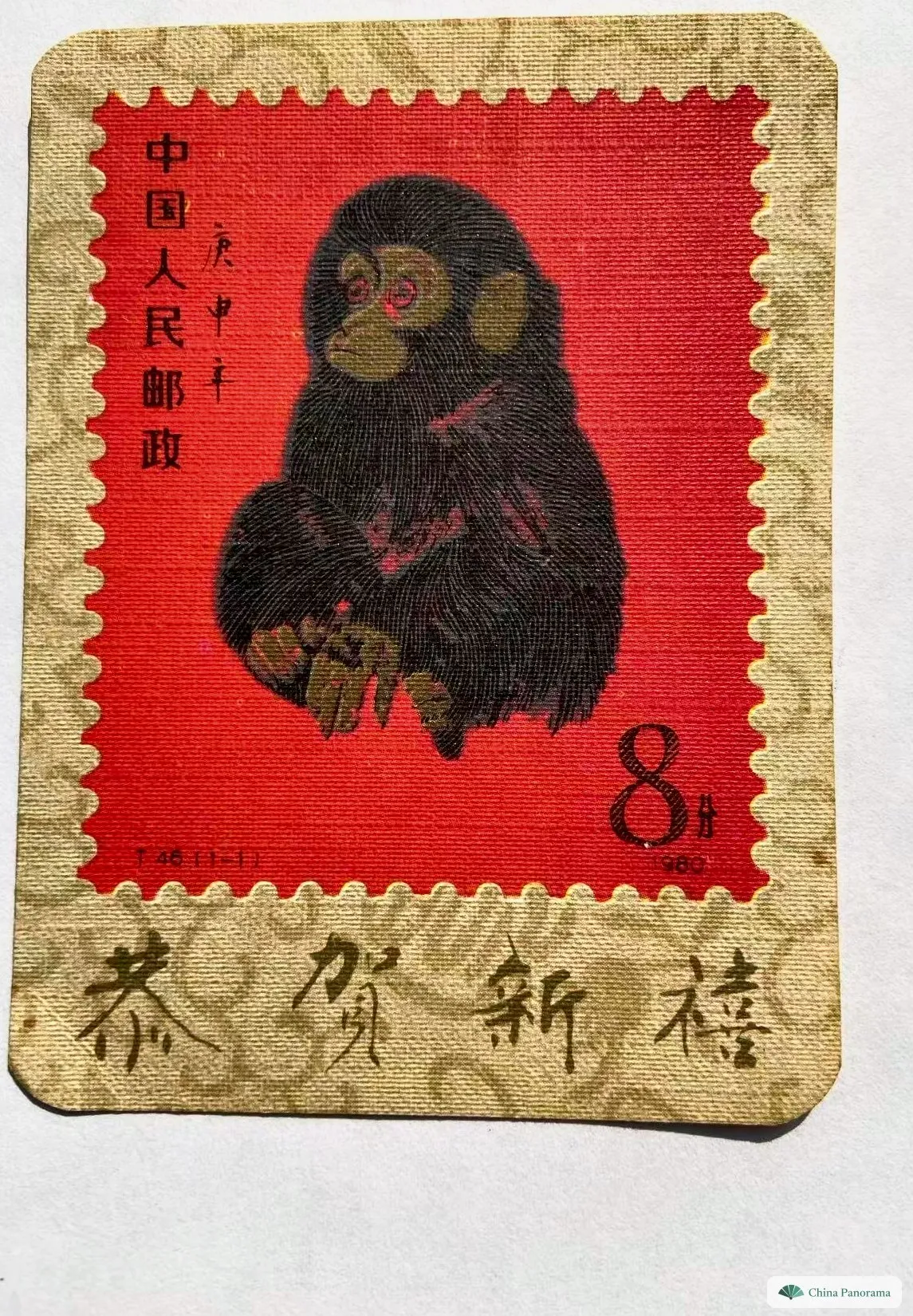
The “Golden Monkey” of 1980 庚申年
Stamp T.46 “Gengshen year” cost 8 fen and shows a black monkey with a golden face on a bright red ground. Huang Yongyu 黄永玉 painted it after a monkey he kept himself in the 1970s. Shao Bailin 邵柏林 designed the stamp, and Jiang Weijie 姜伟杰 engraved the fur hair by hair in 15 days. It was printed in photogravure and recess together, with gold ink on the face and hands.
Because printing was difficult, fewer stamps came out than planned, a little over four million. In China it is simply called 猴票 hóupiào, “the Monkey stamp”, and it is the best-known stamp of the People’s Republic: a full sheet of 80 has fetched well over a million yuan at auction.
The photo does not show the stamp itself but a New Year card that reprints the design in large format: on linen-textured paper, with printed perforations and the greeting 恭贺新禧, “Happy New Year”. Cards like this with the famous monkey are common in China. A card from the same series with the 1984 Rat stamp is on the Rat page.
New Year card with the design of stamp T.46 “Gengshen year” (1980, painting Huang Yongyu, design Shao Bailin). Photo: China Panorama.
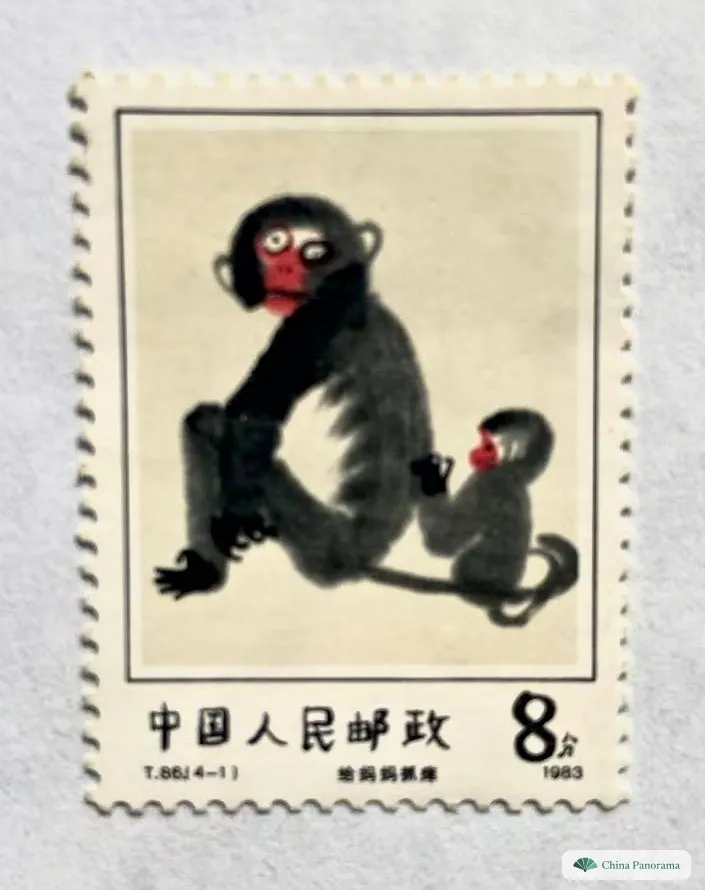
“Scratching Mum’s back”, 1983 给妈妈抓痒
It is not a zodiac stamp, as 1983 was the Year of the Pig. For Children’s Day on 1 June China Post issued the set T.86 “Children’s paintings” 儿童画选, four stamps at 8 fen each after pictures by children. Even the value and the inscription are set in a child’s hand.
On the first stamp a large mother monkey with a red face sits while a little one behind her scratches her back, painted in ink in the manner of Chinese painting. The other three stamps are called “I love the Great Wall”, “Kitten” and “The sun, birds, flowers and me”.
Special stamp T.86 (4-1) “给妈妈抓痒”, set “Children’s paintings”, People’s Republic of China, 1983, 8 fen. Photo: China Panorama.
The stamp for the Fire Monkey 2016 丙申年
For the Fire Monkey of 2016, 36 years after his first monkey, Huang Yongyu painted the zodiac stamp once more. The two stamps came out on 5 January 2016 and are called “The clever monkey brings luck” 灵猴献瑞 and “Fortune and long life together” 福寿双至. They opened the fourth round of the series. Huang Yongyu was over 90 at the time.
Monkeys in China: where to see them
The macaques of Mount Emei 峨眉山
On Mount Emei, one of the four sacred mountains of Buddhism, some 150 kilometres southwest of Chengdu, Tibetan macaques roam freely along the trails. They are used to people and grab anything that looks like food. Keep bags out of sight, do not feed them and keep your distance.
Golden snub-nosed monkeys 金丝猴
Golden fur, a blue face and a snub nose: these monkeys live only in the mountain forests of central and southwest China, for example in the Qinling Mountains south of Xi’an and in Shennongjia in Hubei. They have the highest level of protection in China.
The Monkey King’s mountain 花果山
In the novel, the Mountain of Flowers and Fruit is Sun Wukong’s home. Huaguoshan near Lianyungang in Jiangsu province sees itself as that mountain, with temples, sea views and a Water Curtain Cave 水帘洞 just like in the book.
The Monkey King on screen 大闹天宫
Havoc in Heaven is an animated film from the animation studio in Shanghai, released in two parts in 1961 and 1964. Its faces, costumes and music come from Peking opera, where Sun Wukong is still a star role.
True or false? Six claims about the Monkey
Guess first, then read the answer.
1The first Chinese zodiac stamp showed a monkey.
True
On 15 February 1980 China Post issued stamp T.46 for the Gengshen year 庚申, the year of the Metal Monkey. A zodiac stamp has come out every year since. That is why every twelve-year round begins with the Monkey, the next one in 2028.
2Anyone born in January 1980 is a Metal Monkey.
False
Only from 16 February. That is when the Year of the Metal Monkey began. Anyone born from 1 January to the day before still belongs to the Year of the Earth Goat.
3“In the year of the Monkey, in the month of the Horse” means “never” because that month does not exist.
False
The saying 猴年马月 does mean “never”, but the month comes round every twelve years. By the solar terms that Chinese calendars use to count months, the Horse month 午月 of the Monkey year 2028 runs from 5 June to 6 July 2028.
4In China people used to tie a monkey up in the horse stable.
True
The farming manual Qimin yaoshu 齐民要术 from the 6th century quotes the advice to “always tie a macaque in the horse stable”. It makes the horses fearless, wards off evil and drives out a hundred diseases.
5The Monkey King’s title 弼马温 is a pun on “keeping horse plague away”.
No evidence
In the novel Sun Wukong is made keeper of the heavenly stables, 弼马温 bìmǎwēn. Many scholars hear 避马瘟 bì mǎ wēn in it, “avoid horse plague”, a nod to the old stable monkey. The novel never says so itself: a well-founded reading, not proof.
6The life number is an ancient Chinese teaching.
False
It comes from Western numerology, which claims Pythagoras as its father. In China it became known mainly through social media. Ancient Chinese number lore such as the Hetu diagram 河图 works quite differently.
More on the zodiac: the twelve Chinese zodiac signs and their years, heavenly stems and earthly branches the zodiac in other Asian countries and the next animal in the circle, the Chinese zodiac Rooster.
FAQ
Which years are Monkey years?
1932, 1944, 1956, 1968, 1980, 1992, 2004, 2016, 2028, 2040. Each year begins at Chinese New Year, between 21 January and 20 February. If you were born in January or February before that day, you belong to the animal of the year before, the Goat.
When is the next Year of the Monkey?
2028. It begins at Chinese New Year on 26 January 2028, is an Earth Monkey year (戊申) and lasts until 12 February 2029. The Metal Monkey follows in 2040.
What colour is the Year of the Monkey 2028?
Yellow. The heavenly stem 戊 wù gives 2028 the element Earth, and the colour of Earth is yellow. That is why people also speak of the yellow Monkey. Other lucky colours on horoscope sites follow no fixed tradition.
Which Monkey am I if I was born in 1980?
A Metal Monkey (庚申), if you were born between 16 February 1980 and 4 February 1981. Before that you are an Earth Goat. The other Monkeys: Wood 1944 and 2004, Fire 1956 and 2016, Earth 1968 and 2028, Water 1932 and 1992.
What are the traits of the Chinese zodiac Monkey?
In China the Monkey is said to be clever, quick-witted, curious, sociable and inventive, and a little cheeky. Its weak spots are said to be impatience, vanity and getting bored quickly. Folk belief, not a personality test.
Which signs match the Monkey?
By the classical rules the Rat and the Dragon (三合 sānhé) are the best match, and the Snake (六合 liùhé), though the Monkey and the Snake are also linked by a punishment 刑 and a break 破. The Tiger is the opposite (冲 chōng), the Pig a difficult match (害 hài). Tradition, not a forecast.
What does the Year of the Goat 2027 mean for the Monkey?
By the classical rules of the twelve earthly branches the Monkey and the Goat are neutral to each other: neither a pair nor a clash. So 2027 is neither the Monkey’s own year nor one it needs to beware of. Its own year only comes in 2028. Detailed yearly horoscopes about love, money and health are fortune telling with no fixed tradition behind them.
What does 猴年马月 mean?
Literally “in the year of the Monkey, in the month of the Horse”, meaning “some day, so never”. Yet the month comes every twelve years: in 2028 from 5 June to 6 July 2028.
How do I work out my life number?
Add up all the digits of your birthday until only one digit is left. Example 15 February 1993: 1 + 9 + 9 + 3 + 2 + 1 + 5 = 30, then 3 + 0 = 3. The life number comes from Western numerology, not from Chinese tradition.
Sources and status
The New Year dates come from our checked table, each one recalculated against the astronomical new moon in China time, the Horse month of 2028 from our table of solar terms. The texts for life numbers 4 to 9 retell a widely shared Chinese social media chart in our own words, 1 to 3 we added. The monkey illustration is our own, as are the photos of the card and the stamp. The jade figure from New York is in the public domain (CC0), the museum releases the photo for any use. We only adjusted brightness and contrast slightly.
- Wikipedia: Monkey (zodiac), years and elements
- Wikipedia: Earthly Branches, branch 申, hour and direction
- Wikipedia: 纳音, the 60 pairs and their nayin elements (Chinese)
- Qimin yaoshu, book 6: 常繫獼猴於馬坊 (Chinese)
- Wikipedia: Journey to the West, Sun Wukong and 弼马温
- Zhuangzi, 齐物论: 朝三暮四 (Chinese)
- Shiji, 项羽本纪: 沐猴而冠 (Chinese)
- Huanqiu Renwu: Huang Yongyu, his monkey and the 1980 stamp (Chinese)
- Renmin Zhengxie Wang: design, engraving and print run of the T.46 Monkey (Chinese)
- China Securities Journal 2017: a full Monkey sheet at auction (Chinese)
- National Business Daily: the 2016 Bingshen stamps by Huang Yongyu (Chinese)
- Airmb: the 1983 T.86 children’s paintings set, four designs (Chinese)
- Wikipedia: Mount Emei, the macaques on the mountain
- Wikipedia: Golden snub-nosed monkey, range and protection
- Wikipedia: Huaguo Mountain, Lianyungang
- Wikipedia: Havoc in Heaven, animated film 1961 and 1964
- Wikipedia: Numerology, the life path number and Pythagoras
- The Metropolitan Museum of Art: Horse and monkey, 50.145.123, CC0
Changelog (1)
- 2026-11-11Page created.