
China’s high-speed rail network: map, train types and world ranking
China has more high-speed lines than the rest of the world together: 47,803 km at the end of 2024. Here is how the network is laid out, eight corridors north–south and eight east–west, how it compares with other countries, and what every letter in a train number means.
Want to ride it? Buying a ticket with your passport, seat classes and the station step by step: Train travel in China →
高速铁路 · 八纵八横 · 列车车次 · X G T K D C S Z N V Y
- In operation
- 47,803 kmend of 2024
- Share of the world
- > 70 %UIC
- Main corridors
- 168 north–south, 8 east–west
- Train letters
- 11from late December 2026
The network: eight corridors north–south, eight east–west
In 2016 China set out in its Medium- and Long-Term Railway Network Plan what the high-speed network should look like: eight main corridors from north to south (八纵, bā zòng, “eight vertical”) and eight from east to west (八横, bā héng, “eight horizontal”), plus regional and intercity lines. A corridor is not one single line but an axis of several lines. Many have been running for years, others are still being built. For travellers this means: between big cities on the same axis there are usually direct high-speed trains.
Point at a line or tap it, or choose a corridor in the list.
North–south 八纵
East–west 八横
Schematic: the lines join the cities the plan names, in its order, not the exact course of the track. Thin lines are the branches the plan lists. Source: Medium- and Long-Term Railway Network Plan, 2016.
China’s high-speed network compared with the world
No country has more high-speed lines. At the end of 2024 China had 47,803 km in operation: more than 70 % of all high-speed lines in the world and 2.4 times as much as all other countries together. The USA has 735 km, so China has about 65 times as much.
- China, in operation
- 47,803 km
- of 67,723 km worldwide
- Share of the world
- > 70 %
- all other countries: 19,920 km
- China, under construction
- 6,243 km
- more than Spain has in operation
High-speed lines in operation, km
As of 31 December 2024. Bar length to scale, China = full width.
- 1
 China47,803
- 2
 Spain3,993
- 3
 Japan3,272
- 4
 France2,760
- 5
 Germany1,941
- 6
 Türkiye1,232
- 7
 Finland1,120
- 8
 Italy1,097
- 9
 Sweden895
- 10
 South Korea874
- 11
 USA735
- 12
 Saudi Arabia449
- 13
 Austria254
- 14
 Poland224
- 15
 Belgium209
- 16
 Morocco186
- 17
 Switzerland176
- 18
 Indonesia142
- 19
 UK138
- 20
 Netherlands90
- 21
 Serbia78
- 22
 Denmark56
Source: UIC High-Speed Atlas 2025, updated May 2026.
Who is next? Without a single high-speed line in operation yet, these countries are building their first: Egypt (1,766 km), Iraq (1,200 km), Estonia, Latvia and Lithuania with Rail Baltica (839 km), India (508 km) and Thailand (473 km). Türkiye is building more (1,893 km) than it already runs.
All figures: in operation, under construction, planned
| Country | In operation | Under construction | Planned | Long-term |
|---|---|---|---|---|
| China | 47,803 | 6,243 | 3,754 | 7,134 |
| Spain | 3,993 | 696 | 789 | – |
| Japan | 3,272 | 212 | 194 | – |
| France | 2,760 | 189 | – | 1,242 |
| Germany | 1,941 | 272 | 475 | – |
| Türkiye | 1,232 | 1,893 | 2,761 | 406 |
| Finland | 1,120 | – | 394 | – |
| Italy | 1,097 | 403 | – | – |
| Sweden | 895 | 179 | 350 | 54 |
| South Korea | 874 | 104 | – | – |
| USA | 735 | 275 | 954 | 1,917 |
| Saudi Arabia | 449 | – | – | – |
| Austria | 254 | 281 | 71 | – |
| Poland | 224 | – | 805 | 875 |
| Belgium | 209 | – | – | – |
| Morocco | 186 | – | 640 | – |
| Switzerland | 176 | – | – | – |
| Indonesia | 142 | – | – | 570 |
| UK | 138 | 225 | 168 | – |
| Netherlands | 90 | – | – | – |
| Serbia | 78 | 108 | 204 | – |
| Denmark | 56 | 35 | – | – |
| World (UIC, 44 countries) | 67,723 | 16,585 | ||
Planned: approved, not yet under construction. Long-term: planned but not approved.
All train types: what each letter means from late December
Eleven letters for passenger trains. The classic trains (Z, N, V, Y) switch on 25 November, the high-speed trains in late December 2026. The bar shows the top speed. Number ranges and speeds marked with * come from press reports on the new rule, the official announcement only names X, G, T and K.
High-speed
- X新 · “xin”, new
Next-generation Fuxing 复兴号动车组
Reserved for trains faster than 350 km/h, such as the CR450 now in testing. None runs in passenger service yet.
> 350 km/hX1–X9998 · late December 2026
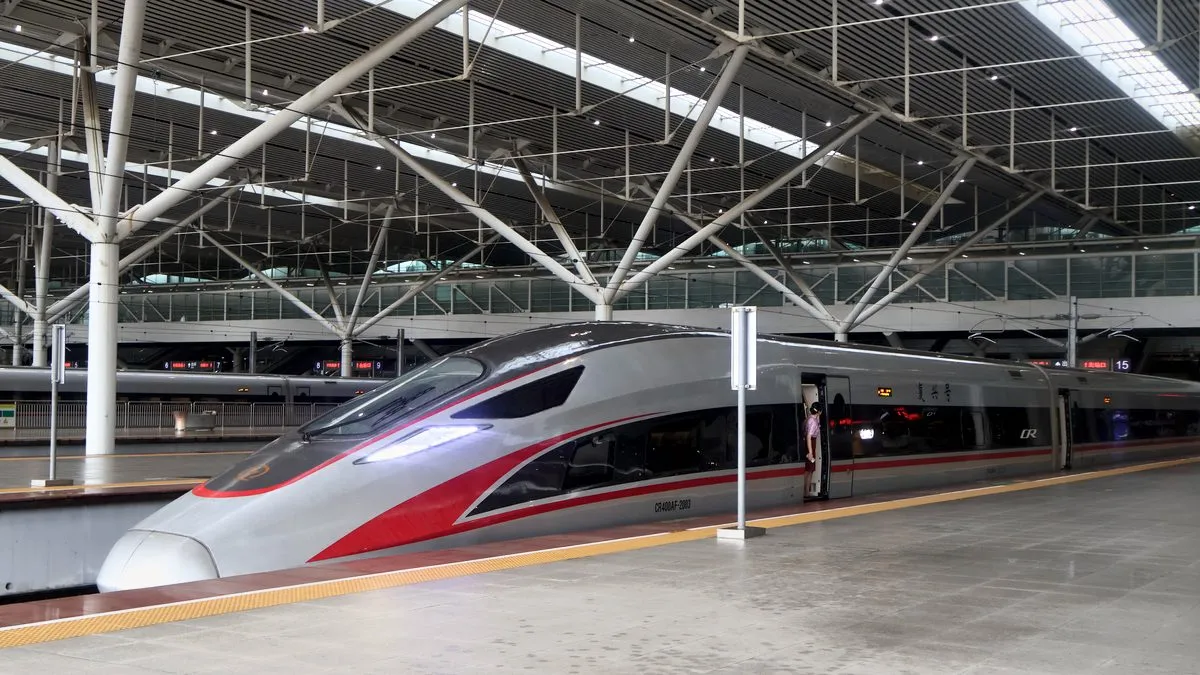
- G高 · “gao”, high
Fuxing high-speed train 复兴号动车组
The fastest trains you can book today, on the main lines between big cities, for example Beijing to Shanghai.
up to 350 km/hG1–G9998* · late December 2026
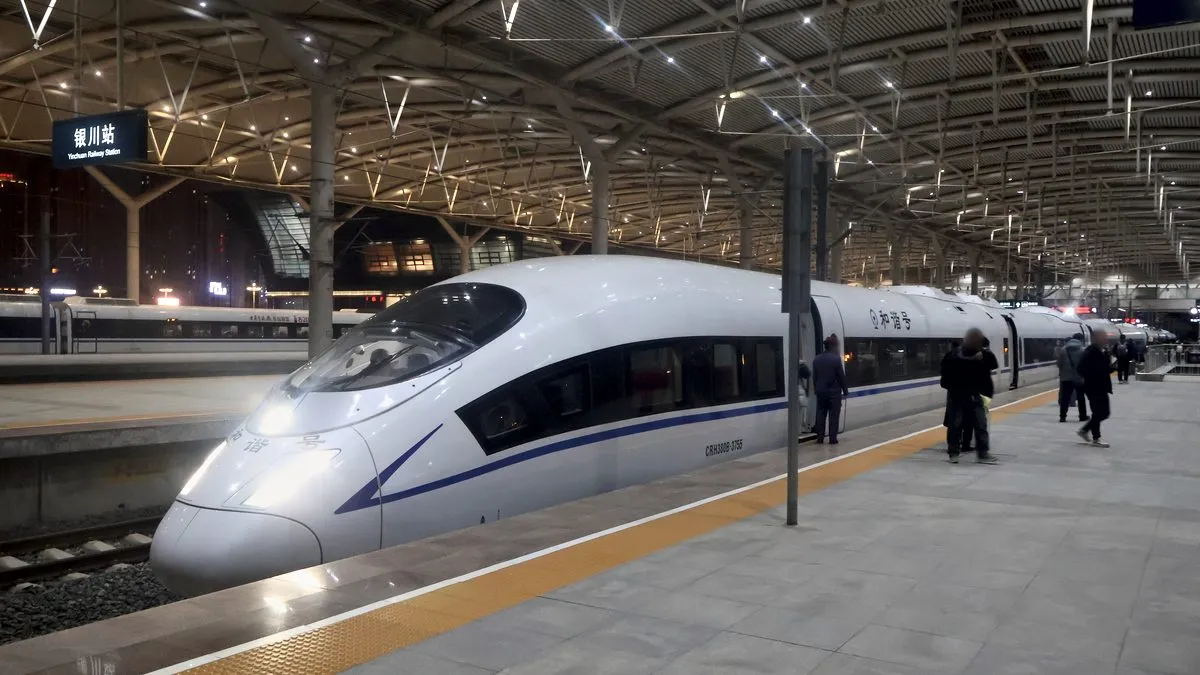
- T特 · “te”, special
High-speed train, 300 km/h 动车组列车
New meaning: until now T was a slow night express with a locomotive. From late December it is a high-speed train.
up to 300 km/h*T1–T9998* · late December 2026
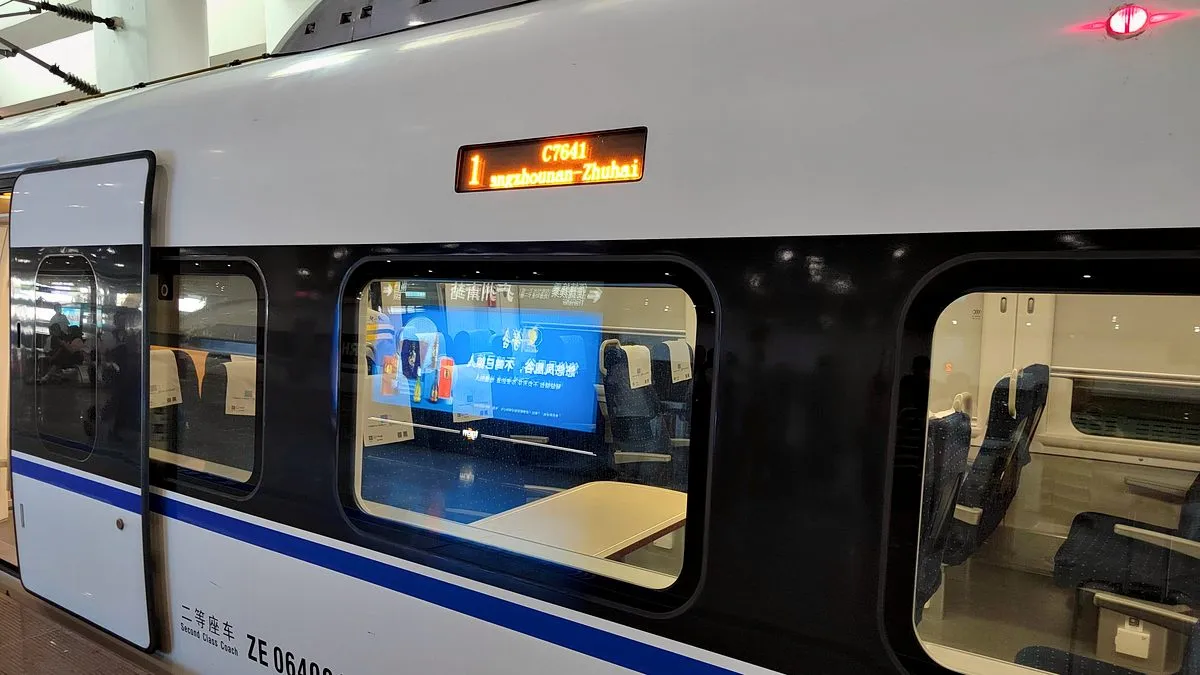
- K快 · “kuai”, fast
High-speed train, 200–250 km/h 动车组列车
New meaning: K used to be the classic green train. From late December it stands for multiple-unit trains at 200 to 250 km/h, many of today’s D trains.
200–250 km/h*K1–K9998* · late December 2026
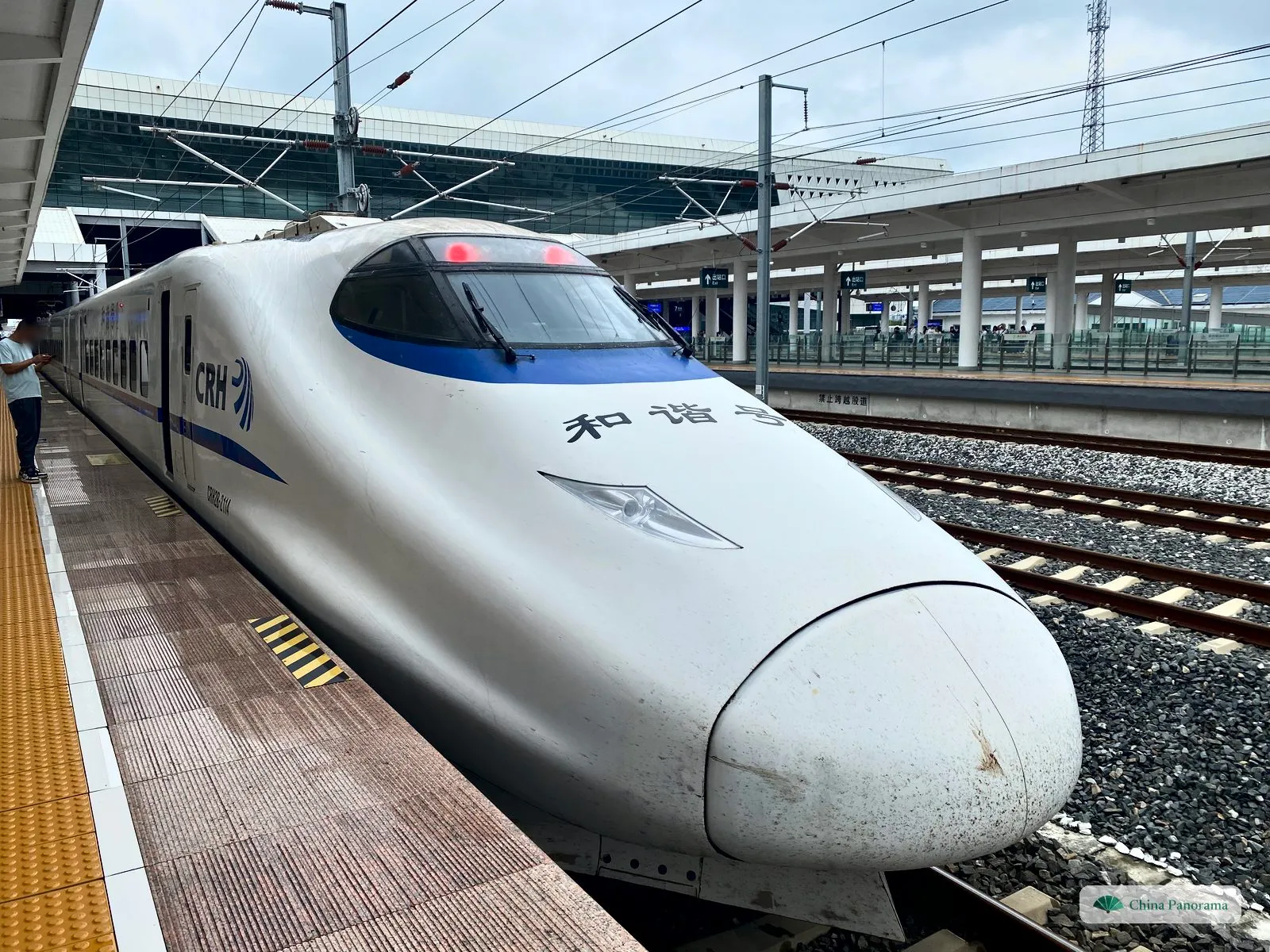
Multiple unit
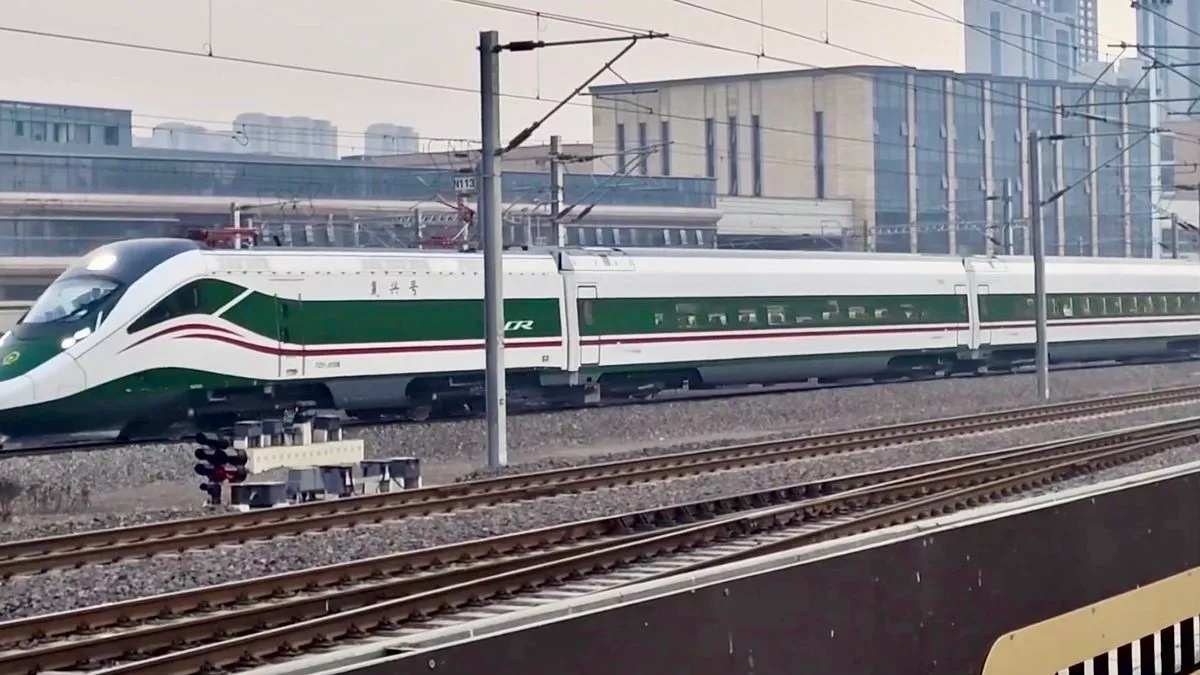
- D动 · “dong”, multiple unit
Locomotive-hauled multiple unit 动力集中动车组
Narrower than before: only trains with a power car at the end, such as the CR200J, nicknamed “Green Giant”. Usually 160 km/h.
up to 200 km/h*D1–D9998* · late December 2026
Intercity and suburban
- C城 · “cheng”, city
Intercity train 城际旅客列车
Short hops within one railway region, for example Beijing–Tianjin or Guangzhou–Shenzhen. Often every few minutes.
up to 200 km/h*C1–C2998* · late December 2026
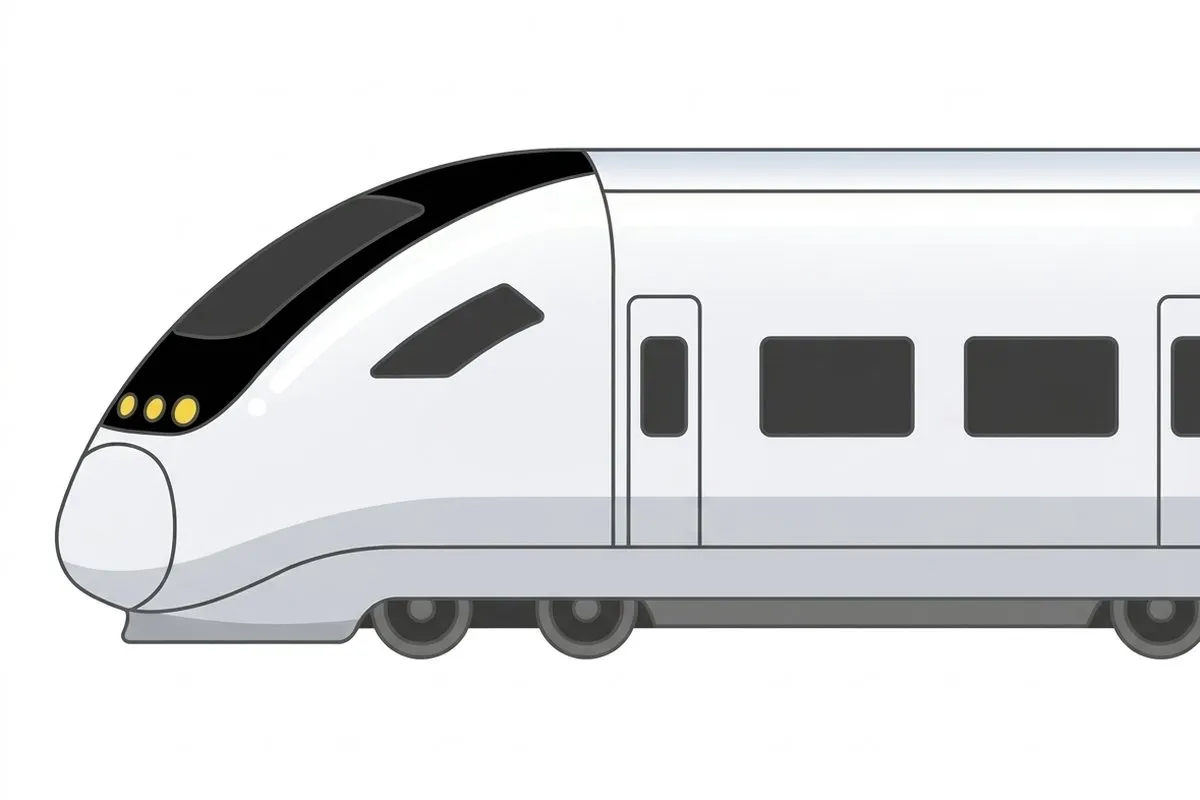
- S市郊 · “shijiao”, suburban
Suburban train 市郊(域)旅客列车
Commuter trains within one city area, for example to the Great Wall at Badaling on Beijing’s S2.
up to 160 km/h*S1–S2998* · late December 2026
 AI-generated
Classic trains with a locomotive
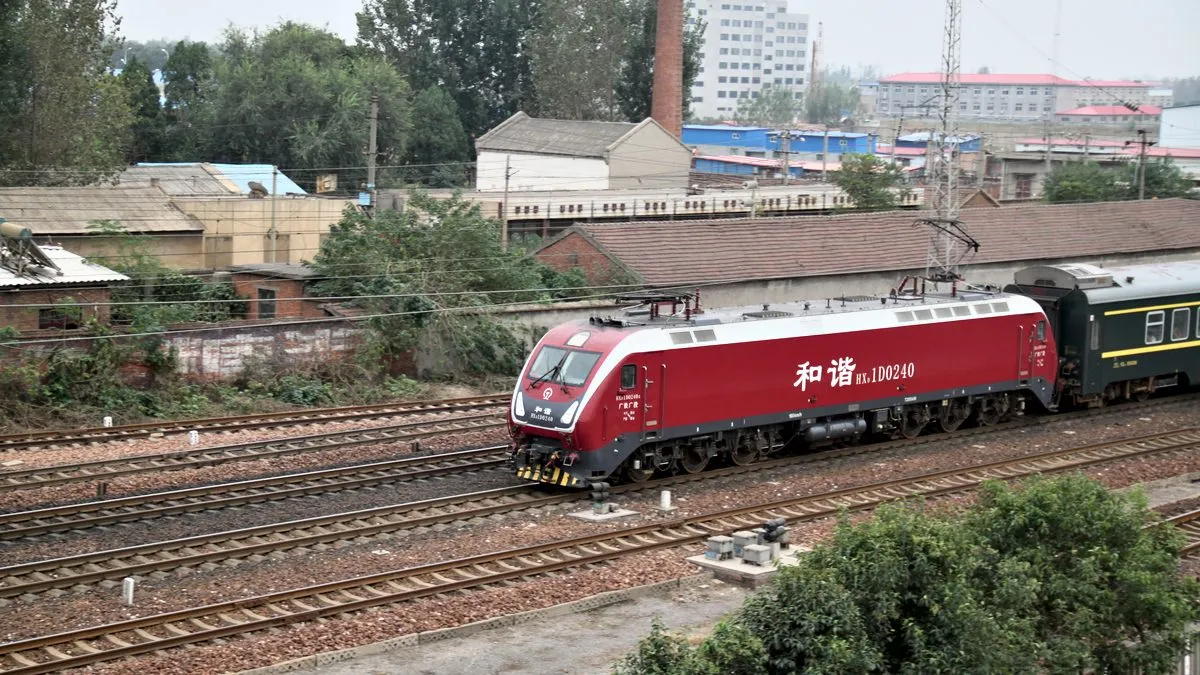
- Zsaid as in English
Express train 快速旅客列车
The fastest classic trains with a locomotive. Mostly night trains with sleepers: leave in the evening, arrive in the morning.
up to 160 km/h*Z1–Z1998* · from 25 November
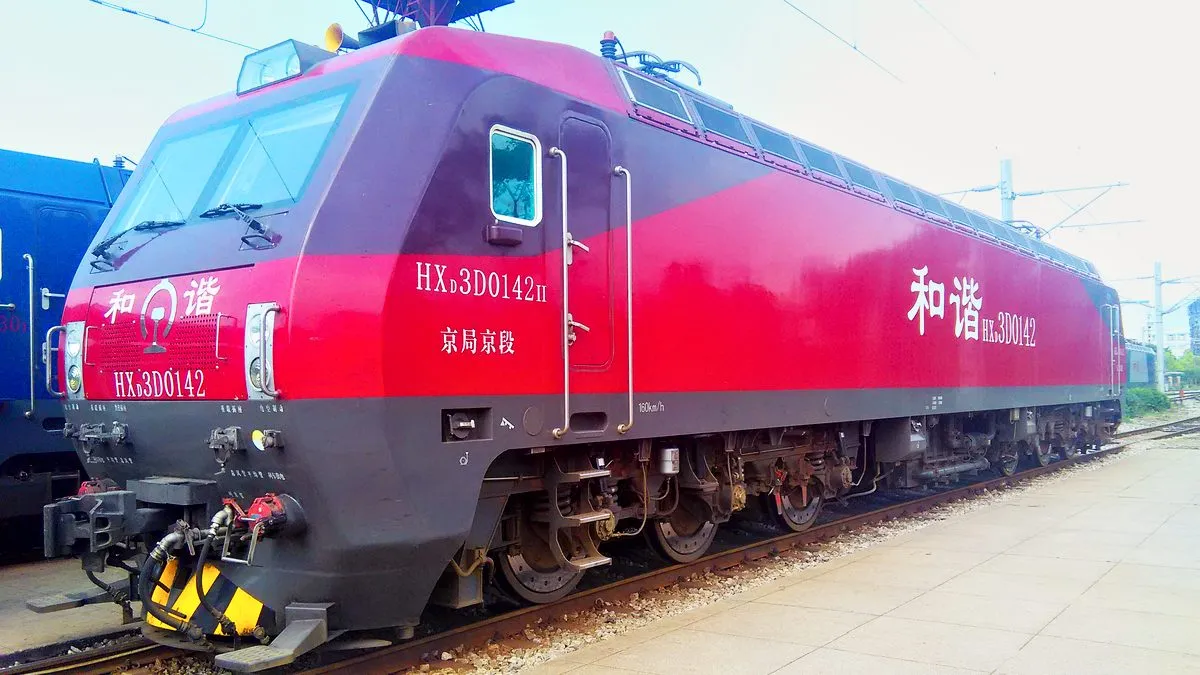
- Nsaid as in English
Fast train 快速旅客列车
New letter for the old T trains. Classic carriages with a locomotive, more stops than Z.
up to 140 km/h*N1–N1998* · from 25 November
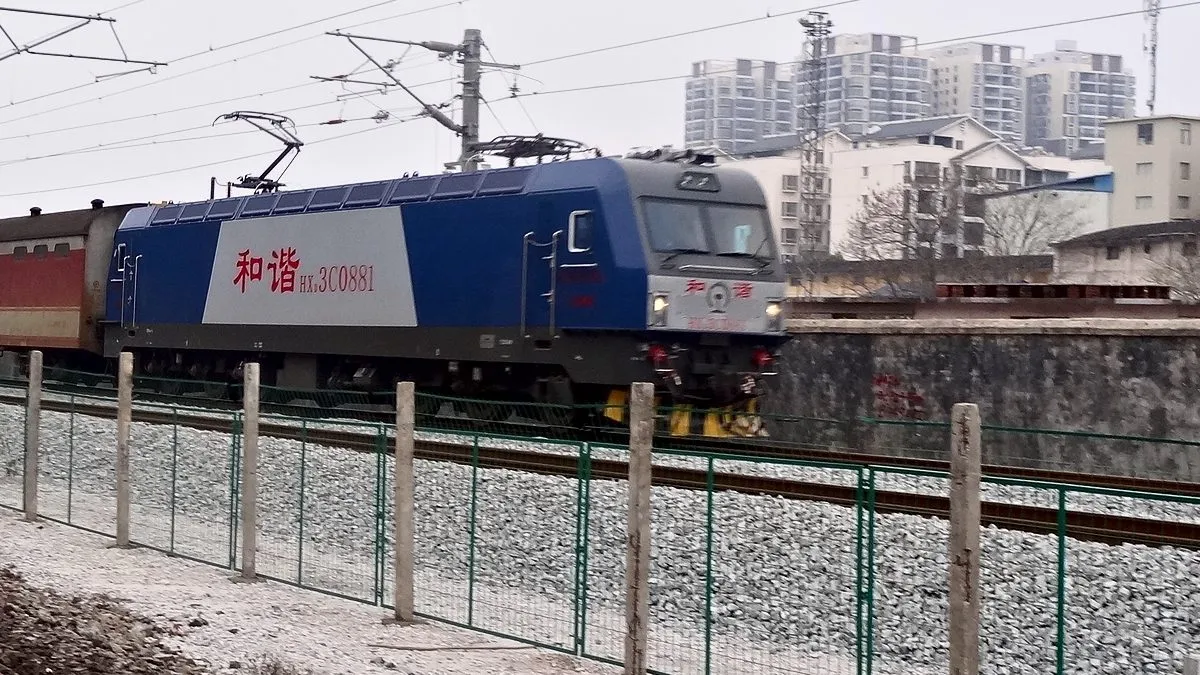
- Vsaid as in English
Ordinary train 普速旅客列车
New letter for the old K trains and the trains with only a number. The slow green trains that stop almost everywhere, the cheapest way to travel.
up to 120 km/h*V1–V5998 · V6001–V6998 · V7001–V7998* · from 25 November
Tourist
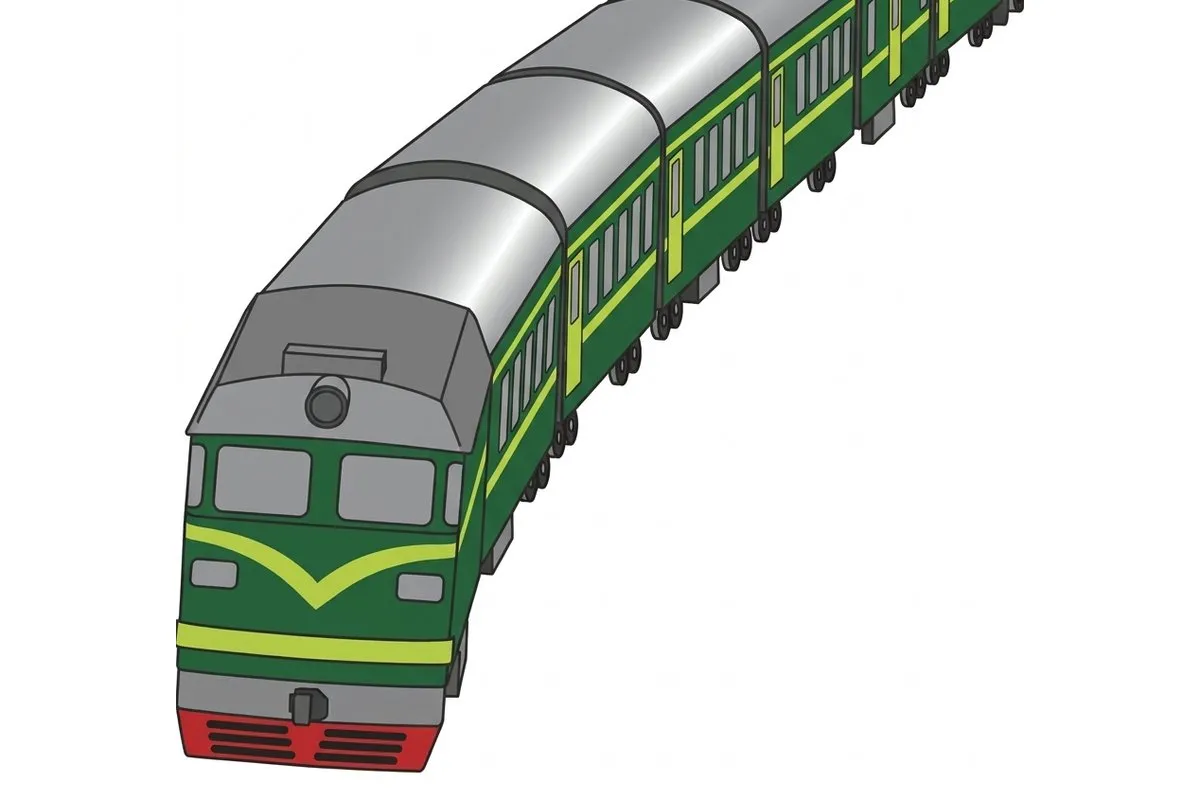
- Y游 · “you”, tourism
Tourist train 普速旅游列车
Special trains and tourist routes, often with themed carriages. Speed depends on the train.
depends on the train*Y1–Y998 · Y1001–Y9998* · from 25 November
 AI-generated
Old letter → new letter
For older bookings, guidebooks and screenshots. The old meaning applies to classic trains until 24 November, to high-speed trains until late December.
| Old | Meant | km/h | Now |
|---|---|---|---|
| G | High-speed train 高速动车组 | 300–350 | G (350 km/h) or T (300 km/h) |
| D | Multiple-unit train 动车组 | 160–250 | K (200–250 km/h) or D (up to 200 km/h) |
| C | Intercity 城际 | ≤ 350 | C |
| S | Suburban 市郊 | ≤ 160 | S |
| Z | Direct express 直达特快 | 160 | Z |
| T | Express 特快 | 140 | N |
| K | Fast train 快速 | 120 | V |
| digits only | Ordinary and slow trains, number only 普快 · 普客 | ≤ 120 | V |
| Y | Tourist train 旅游 | – | Y |
FAQ
How long is China’s high-speed rail network?
At the end of 2024 China had 47,803 km of high-speed lines in operation, according to the UIC more than 70 % of all high-speed lines in the world. Another 6,243 km were under construction.
What does “eight vertical, eight horizontal” (八纵八横) mean?
It is the layout of China’s high-speed network in the 2016 railway plan: 16 main corridors, eight from north to south and eight from east to west, plus regional and intercity lines.
How fast are China’s high-speed trains?
G trains on the main lines run at up to 350 km/h. From late December 2026 trains at 300 km/h are called T and trains at 200–250 km/h K. The letter X is kept for trains faster than 350 km/h, such as the CR450 now in testing.
What is the difference between G and D trains?
Until late December 2026: G trains run at 300–350 km/h, D trains at 160–250 km/h. After that the faster D trains become K (200–250 km/h) and D stays for multiple-unit trains up to 200 km/h. Both use the same stations and the same tickets.
Sources and status
Corridors: the 2016 Medium- and Long-Term Railway Network Plan. World ranking: UIC High-Speed Atlas 2025, network as of 31 December 2024. Train letters: official are the letters and what they stand for, X1–X9998, the speeds of G, T and K and the switch of the classic trains on 25 November 2026. The other number ranges and speeds come from press reports.
- Xinhua, 16 October 2026: China State Railway Group announces the new train numbers, X1–X9998, G 350, T 300, K 200–250 km/h, two batches in late November and late December
- People’s Daily Online (English), 16 October 2026: the same announcement
- 12306 notice: classic trains switch to the new numbers on 25 November 2026 at 0:00, multiple units in late December
- People’s Railway via the Beijing government, 11 November 2026: tickets with Z, N, V numbers on sale, old-and-new number lookup
- CCTV via Sina, 13 November 2026: T becomes N, K and number-only trains become V, Z stays, freight from 24 November 18:00, lookup in the China Railway WeChat account
- NetEase, October 2026: number ranges and speeds of all letters under the new rule (press report, not the official text)
- UIC High-Speed Atlas 2025, extract “High-Speed Lines”: km in operation, under construction and planned per country, state 31 December 2024, updated May 2026
- NDRC, Ministry of Transport and China Railway, 13 July 2016: Medium- and Long-Term Railway Network Plan (中长期铁路网规划), the eight north–south and eight east–west corridors
Train photos from Wikimedia Commons, CC0: X and G TrainGuyHK102, T TrainGuyHK102, D A Chinese ID, C 沈澄心, Z Gary Lee Todd, Ph.D., N Changzhensky, V Wly644681609. The drawings for S and Y are AI-generated. The photo for K is ours.
Changelog (1)
- 2026-11-16Page created: corridor map from the 2016 railway plan, world ranking from the UIC High-Speed Atlas 2025, all train letters with the new meanings.
Related: Train travel and tickets → ·Chunyun 2027 → ·Food on the train → ·All cities →